
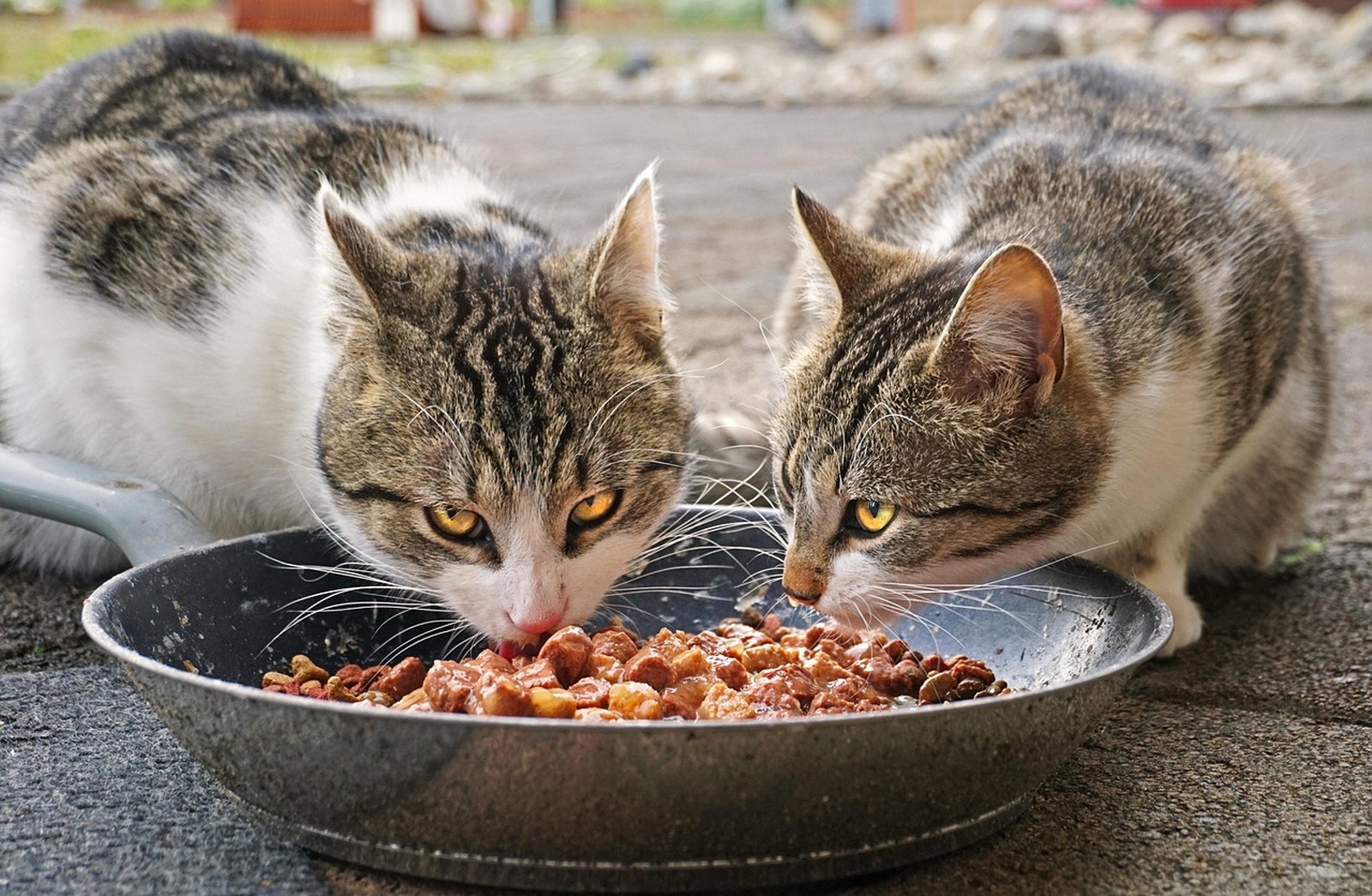
For hydration, wet food is the clear winner for most senior cats: it is typically around three-quarters water, while dry kibble contains very little moisture, so a cat eating wet meals takes in substantially more water with her food without needing to drink as much. For older cats, whose thirst drive and kidney health deserve extra support, that built-in moisture is a real benefit.
Why hydration matters more with age
Senior cats are more vulnerable to becoming quietly under-hydrated. Some drink less because visiting the bowl is effort with stiff joints, taste and smell changes make water less interesting, or they simply have a weaker thirst signal. Chronic mild dehydration can leave a cat constipated, lower in energy, and harder on organs that are already working with less reserve. Your vet may talk with you about hydration specifically if your cat has kidney or urinary concerns — those conversations are individual, and this guide cannot diagnose or prescribe for your cat.
Wet food helps because cats evolved to get much of their moisture from prey. A senior who eats wet meals may visit the water bowl less, yet be better hydrated overall than a kibble-fed cat who drinks more visibly. Total water in — from food plus drinking — is what counts.
The case for dry food, and for mixing
Wet food is not perfect for every senior. Some cats strongly prefer crunch, some graze in tiny amounts that suit dry food left for a short window, and dental considerations vary — dry food does not clean teeth in the meaningful way many owners assume, but texture preference and stomach tolerance are real for individual cats. Cost and convenience matter too in a real household.
Many seniors do best on a mix: wet meals as the main source of nutrition and moisture, plus a small measured amount of dry food if their teeth and vet allow it. If your cat eats mostly dry, you can compensate partly by adding water stations, a fountain, and a little water mixed into a wet topper — but recognize she will likely still take in less total moisture than on wet meals.
Transition between formats gradually over a week or more, and watch stools, appetite, and weight. Seniors who have eaten kibble for 15 years may need patience, warmed wet food for aroma, and a few flavors tried before one sticks.
Practical hydration habits for seniors
Keep fresh water in several low, easy-to-reach places, in wide bowls refreshed daily. Place a bowl near where she sleeps — older cats appreciate not trekking across the house at night. Monitor the big picture: a senior who suddenly drinks and urinates much more, or who stops drinking and eating, should see a veterinarian promptly rather than just being switched to a new food.
Ask your vet at the next senior checkup which format, or mix, suits your cat's teeth, weight, digestion, and any health conditions. That advice will beat any general rule, including this one.
Keeping the feeding plan consistent
Whatever you choose, consistency helps everyone who feeds her follow it. With KinsLe, you can keep that feeding plan — wet, dry, or mixed, with amounts and times — in their Pet Passport, the records packet that also holds vaccines, medications, allergies, and documents and can be shared with vets and sitters. That way the hydration plan you chose on purpose does not drift when someone else fills the bowl. Write the chosen amounts, bowl refills, and weekly weight checks into the Pet Passport plan on KinsLe, so every feeder in the house follows one hydration routine exactly.