
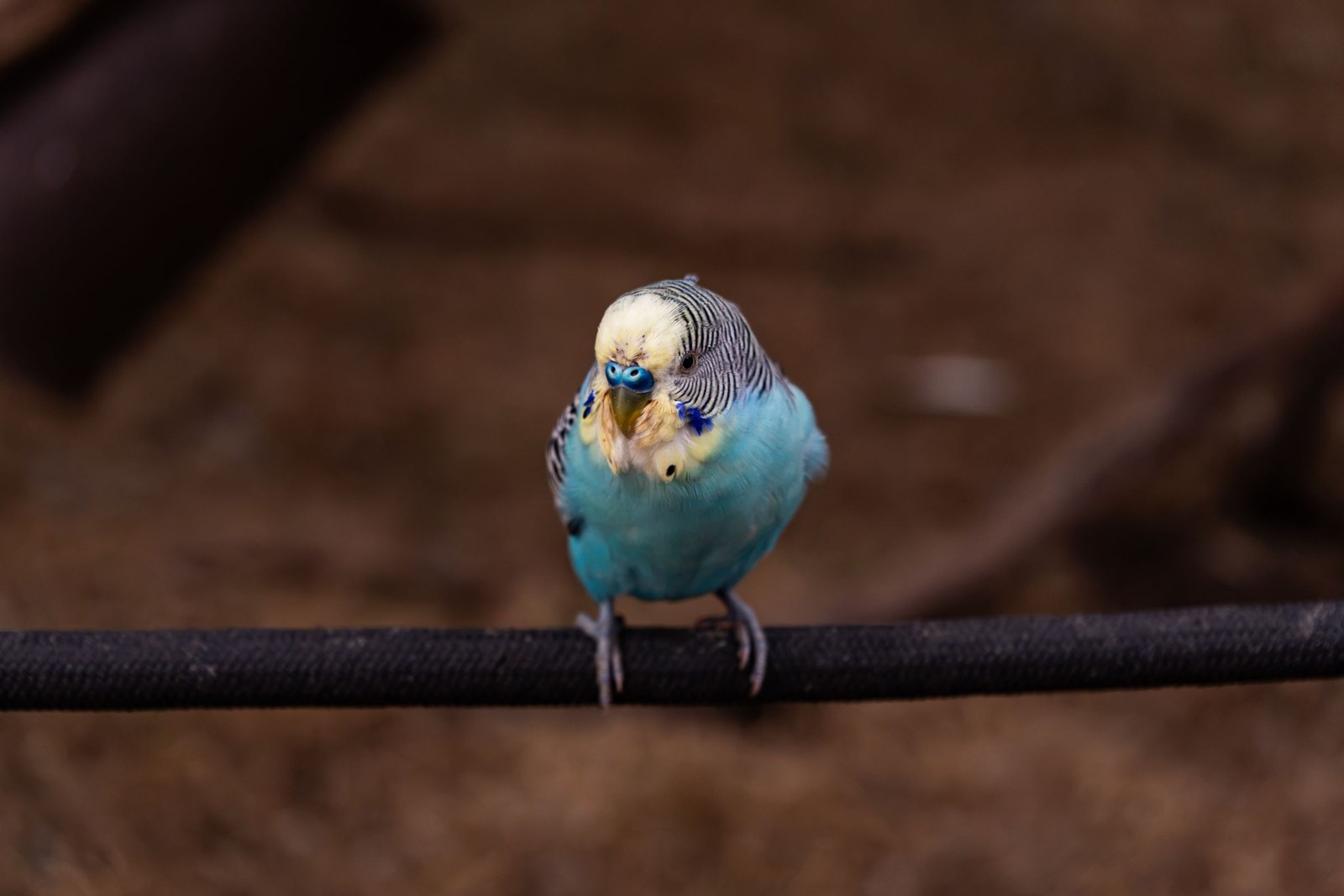
Stay calm, contain your bird in one area, and lure it back rather than chasing it. Close doors and windows, remove other pets from the room, turn off fans, then offer a familiar perch, a favorite treat, or the open cage with food inside — and let your bird come to you. Most indoor escapes end well when the bird feels safe enough to step up on its own terms.
First Sixty Seconds: Contain, Don't Chase
Your instinct will be to grab. Resist it. A chased bird flies higher, faster, and into worse places — behind appliances, onto curtain rails, into gaps you cannot reach. Instead:
- Close the door of the room the bird is in, if you can do it without spooking it further.
- Close windows, or draw curtains and blinds over them so the bird does not fly at glass.
- Switch off ceiling fans and move cats and dogs out calmly and shut them away.
- Turn down loud music or the TV, and ask excited children to wait quietly outside the room.
Speak softly and move slowly. From your bird's point of view, it is not being naughty — it is loose in a huge, strange space, and the giant hands coming toward it look alarming, however much it loves you at the cage.
Luring Your Bird Back Down
Birds come back to what is familiar and rewarding. Bring the cage into the room if it is elsewhere, door open, with favorite food clearly visible inside — millet spray for a budgie, a piece of nut for a parrot. Set a familiar play stand nearby, since many birds will land on a known perch long before they will fly to a person.
Then sit still nearby, talk in the voice you use at the cage, hold a perch steady with a treat visible, and wait. Patience measured in minutes is normal. Avoid toweling or netting your bird unless it is in immediate danger. A towel capture may work once, but it can cost you weeks of trust, and a panicked bird bites hard enough to make you drop it mid-grab.
Common Hiding and Landing Spots
If the room goes quiet, do not assume your bird left. Check curtain rails, bookshelves, behind picture frames, inside open cupboards, and in the folds of hanging clothes. Small birds can sit perfectly still and silent when frightened. Move slowly and listen for tiny beak or claw sounds.
After the Recovery: Fix the Door That Failed
Once your bird is safely caged, fed, and settled, work out how it got out. Loose feeder doors are the classic culprit — secure them with bird-safe clips. Check for bent bars, a latch a clever parrot learned to lift, or a door left ajar during cleaning. Also note who opened what, kindly and without blame, so the fix is a system rather than a scolding.
Watch your bird for the rest of the day. A bird that hit a wall, was grabbed, or spent hours frightened may need an avian vet check even without visible injury.
When Indoor Becomes Outdoor
If your bird slips past you and out of the house entirely, the situation changes completely — speed, visibility, and alerting everyone nearby matter most. That is exactly the kind of scare KinsLe's Lost Pet Alert System is built to help with. Lost Pet Alerts are free in every profile, the alert shows on the map, and a finder can message you directly through your bird's profile — so a scare indoors is a good reminder to have that profile complete before you ever need it outside.
Only if that bird slips outside and stays unaccounted for should you fall back on the Lost Pet Alert System on KinsLe, where the alert appears on the map and anyone who finds the bird can message you directly through its profile.