
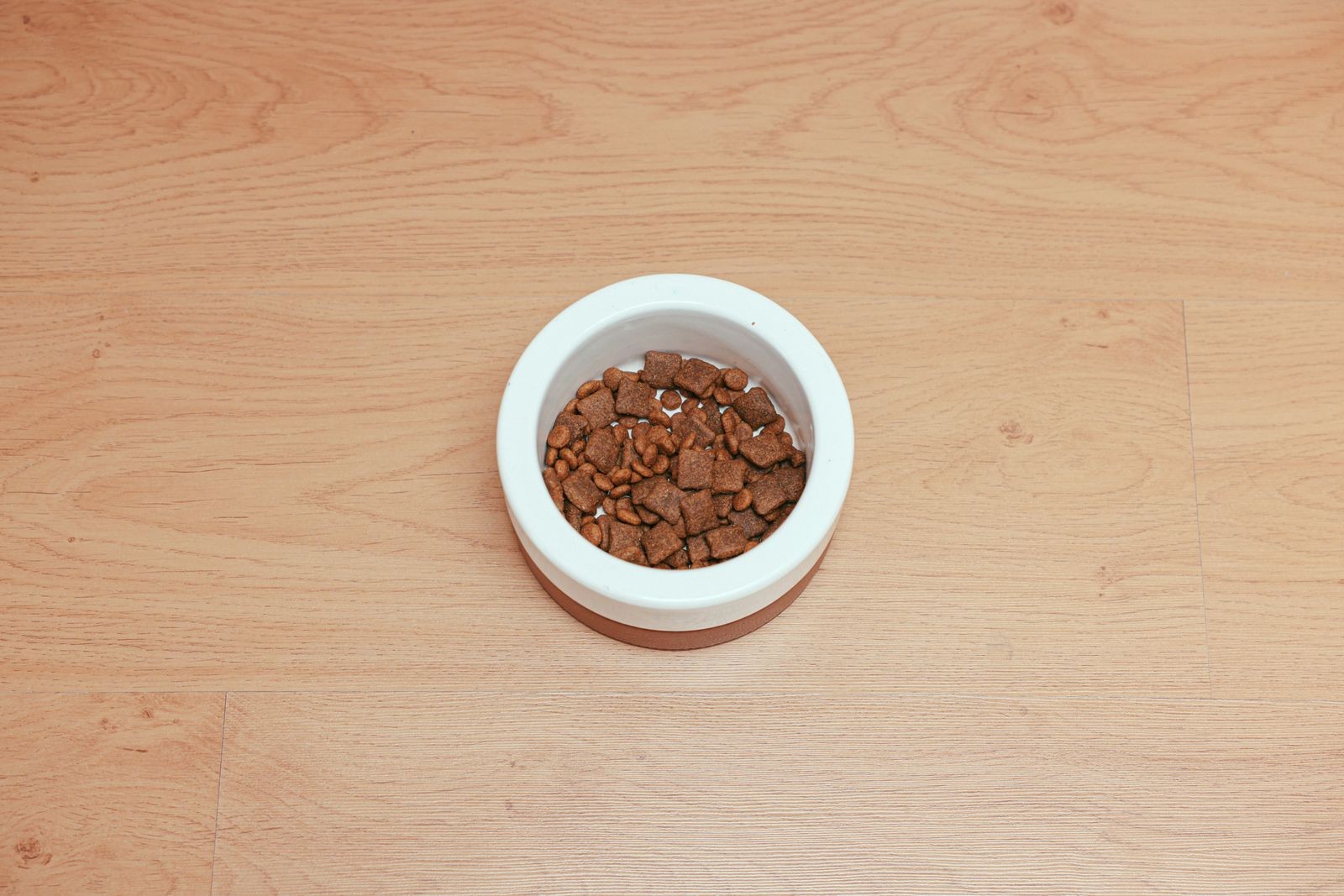
One skipped meal in a dog who is otherwise bright, drinking, and happy to play is rarely an emergency. Most healthy adult dogs can miss a single breakfast or dinner because of heat, a stressful day, excitement, or a mildly unsettled stomach, and then eat normally at the next meal. The line most owners should hold is about 24 hours: if your dog is still refusing food after a full day, or refuses sooner alongside other symptoms, it is time to call your veterinarian.
Why dogs skip meals in the first place
Appetite is sensitive, and the cause is often ordinary. A sweltering afternoon can flatten a Labrador's enthusiasm for kibble until the house cools down. A houseguest, a thunderstorm, a long car ride, or a new bag of food that smells slightly different can all do it. Dogs also self-regulate after a day of heavy treating — the training session with the cheese cubes may have been dinner, as far as his stomach is concerned.
There are less innocent reasons, too. Dental pain can make chewing hurt, nausea makes food unappealing, and a dog who has quietly helped himself to something in the yard may simply be full or queasy. Puppies are a different case from adults: small and toy-breed puppies have limited reserves and can struggle with low blood sugar if they miss meals, so a puppy who will not eat deserves a call much sooner than a healthy adult.
What to watch over the next few hours
Instead of hovering over the bowl, run a simple check:
- Is he drinking water and keeping it down?
- Is his energy normal — tail up, interested in a walk, greeting you as usual?
- Any vomiting, diarrhea, drooling, lip-licking, or repeated swallowing?
- Is his belly tense, bloated, or painful when touched?
- Did he get into anything — garbage, toys, socks, fatty leftovers?
Offer the next meal at the normal time rather than grazing or cooking something richer to tempt him. A sudden parade of special foods can mask a problem or upset his stomach further. If he eats happily and acts like himself, you can usually relax and just note the blip.
When a skipped meal becomes a vet call
Call your veterinarian if food refusal passes about 24 hours in an adult, much sooner for puppies, seniors, and dogs with existing conditions such as diabetes or kidney disease. Call the same day — or an emergency clinic after hours — if skipping food comes with repeated vomiting, diarrhea, lethargy, weakness, a swollen abdomen, unproductive retching, or any sign of pain. Trust the combination, not just the clock: a dog who missed one meal but seems genuinely unwell needs help faster than a cheerful dog who missed two.
Keeping the whole household on the same page
In multi-person homes, a 'skipped meal' sometimes turns out to be a double-fed dog who simply was not hungry, or a meal nobody is sure happened. KinsLe Messenger is the per-pet communications hub, keeping everyone who feeds your dog in one thread tied to his profile. You can quickly confirm whether he already ate at a partner's, a roommate's, or the pet sitter's, share a photo of the untouched bowl, and agree together on when you will call the vet if he refuses again — no scattered texts, no guesswork. His first pet profile is free, so setting that thread up costs nothing.
Put that missed-meal note in the KinsLe Messenger thread on KinsLe, where each household feeder can add a separate observation and the family can judge together whether watchful waiting still fits or a call is now warranted.