
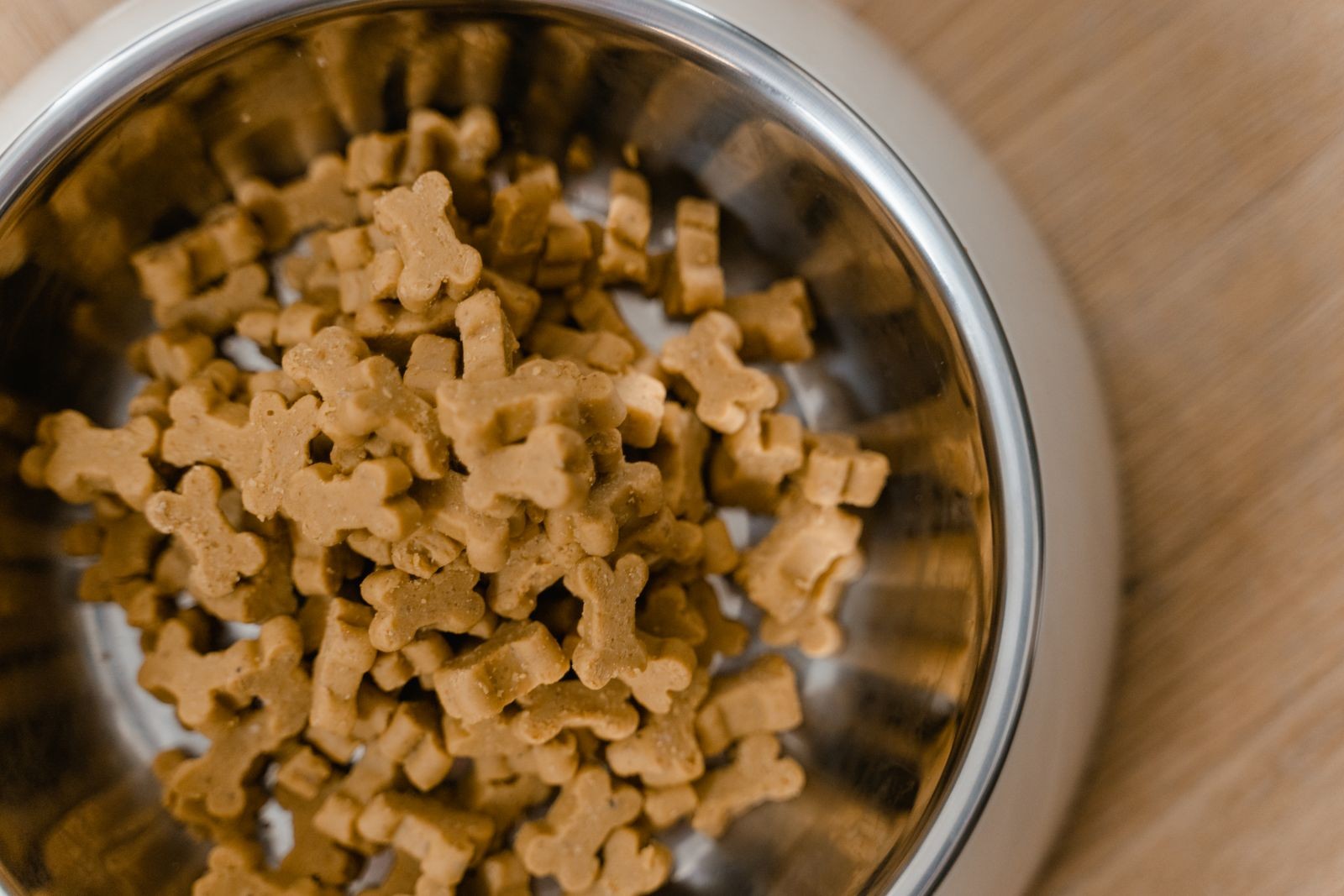
A sudden refusal of a longtime kibble usually has a reason: the food may have gone stale or changed, a sore tooth or gum can make crunching hurt, or her tastes, digestion, and health needs may be shifting with age. Treat an abrupt change as information worth investigating, not stubbornness to outwait.
Start with the bag, not the dog
Check the basics before you buy something new. Has the bag been open for many weeks, stored in a hot garage, or poured into a container that was not washed between refills? Fats in kibble oxidize over time and the food can smell off to a dog long before it smells wrong to you. Check the best-by date, look for a torn bag or pantry pests, and note whether the refusal started exactly when a new bag opened, because manufacturers do occasionally adjust recipes.
Try a small fresh bag or a sample of the same food. If she eats the fresh batch happily, you have found your answer cheaply.
Then check her mouth and her mood
Watch how she approaches eating. Does she want the food but drop pieces, chew on one side, paw at her face, or eat soft food willingly while avoiding crunch? Those are clues that chewing itself may hurt. Bad breath, red gums, drooling, and visible tartar strengthen the case for a dental check.
Also think wider. A recent move, new pet, construction noise, heat wave, different feeder, or a scare near the bowl can all dent appetite. So can eating too many treats earlier in the day, a pattern that is easy to miss in a multi-person household.
When refusal is a vet conversation
Book a veterinary visit promptly if refusal lasts more than a day or two in a dog who normally eats well, and sooner if you also see weight loss, vomiting, diarrhea, increased thirst, lethargy, or changes in urination. Never let a small, young, or medically fragile dog go extended periods without eating while you experiment at home.
Your vet may examine her teeth, discuss pain or nausea, and suggest bloodwork if she is older. Bring specifics: when it started, what she will still eat, how much, and any other small changes you have noticed. Specifics shorten the path to an answer.
Keep notes day by day rather than relying on memory. Write down the brand, the batch or opening date, how much she ate, and anything else that changed that day, such as a new treat, a visitor, or a long car ride. Patterns that are invisible in the moment often become obvious on paper after a week, and that timeline can save you from buying bag after bag of food she was never really refusing for taste reasons alone.
Keep a food history in KinsLe's Pet Passport
Episodes like this are easier to solve the second time if the first one was written down. Use KinsLe's Pet Passport, the records packet that holds vaccines, medications, allergies, and documents, to note the foods she has tried, batches she refused, and any sensitivities you have spotted. Shared with your vet or a sitter, that history prevents repeat mistakes and guesswork.
Record every food change, batch she turned down, and day her appetite returned using the Pet Passport file on KinsLe, so her vet can read the trial as a dated sequence rather than a recollection.