
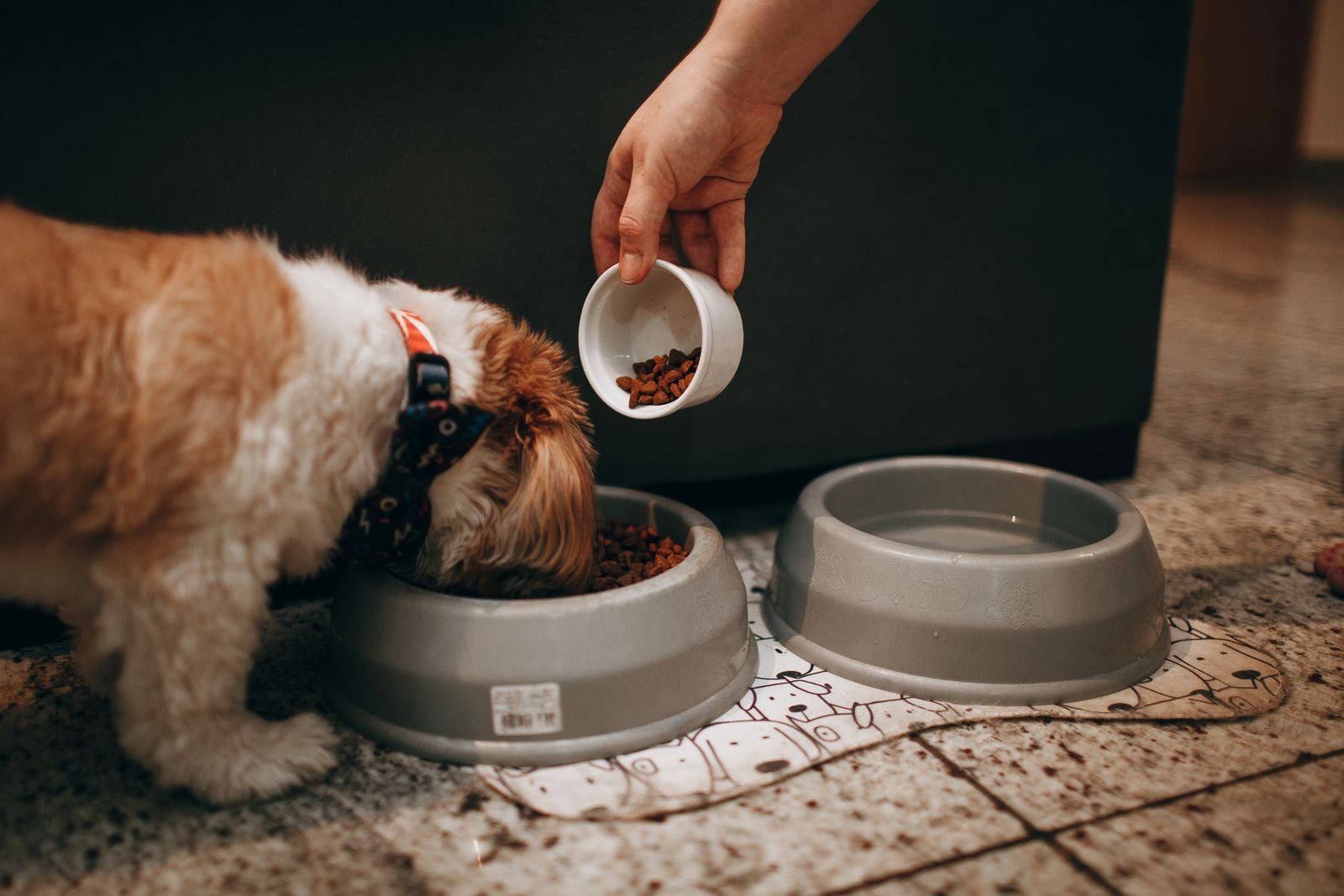
A modest dip in appetite can be normal for a senior dog with a slower metabolism and lower activity, but a clear, ongoing drop deserves attention. Dental pain, nausea, reduced sense of smell, and several age-related conditions can all sit behind an older dog quietly leaving food in the bowl.
Why appetite often softens with age
Senior dogs move less, sleep more, and burn fewer calories, so genuine hunger at each meal may simply be smaller than it was. Smell and taste can dull too, which matters because aroma is a big part of what makes food appealing to a dog. Add stiff joints that make standing at a bowl less comfortable, or a slightly sensitive stomach, and smaller meals can be a reasonable adjustment rather than a warning sign.
The key distinction is degree and trend. Eating a little less, steadily, while holding weight and staying himself is very different from eating half as much, losing weight, or changing in other ways.
Simple changes that often help
Try these gentle adjustments before you worry:
- Offer smaller, more frequent meals instead of one or two large ones.
- Warm the food slightly, or add a little warm water, to boost its smell.
- Raise the bowl for a large or arthritic dog so eating is physically easier.
- Keep mealtimes calm and consistent, and check that a younger pet is not intimidating him away from his bowl.
- Review treats; a day of snacks can quietly erase dinner hunger.
Track what he actually finishes at each meal for a week or two, in amounts rather than impressions. That record turns a vague worry into useful information.
When eating less needs a vet promptly
Book a veterinary visit if the drop is clear or continuing, and go sooner if you notice weight loss, vomiting, diarrhea, drooling, bad breath, pawing at the mouth, increased thirst or urination, hiding, or a dog who wants food but cannot seem to chew or swallow it. Dental disease is extremely common in seniors and is painful in silence, and kidney, liver, and other age-related conditions are far better caught early.
Do not simply keep switching foods to tempt him while the underlying cause goes unexamined. Appetite is often the first honest report an old dog can give you about how he feels.
Weigh him regularly too, ideally on the same scale and at the same time of day, and write the number down beside the meal notes. Appetite can look stable while weight quietly slides, or look worrying while weight holds perfectly steady, and the scale tells you which story is true. For a senior dog, that simple monthly number is one of the most useful health habits you can keep at home.
Bring real numbers with KinsLe Care Teams
Guesses help nobody at the vet's office. KinsLe's Care Teams let family members assign feeding duties and log every meal, with timestamped completions, so you can see exactly how much he finished each day and when the change began. Bringing that pattern to your appointment gives your veterinarian real numbers to work with instead of recollections, and it keeps everyone in the household feeding to the same plan.
Care Teams on KinsLe turn that feeding rota into assigned duties, so each person records how much he finished rather than assuming someone else noticed.