
The Coat Makes Eyes Unreliable
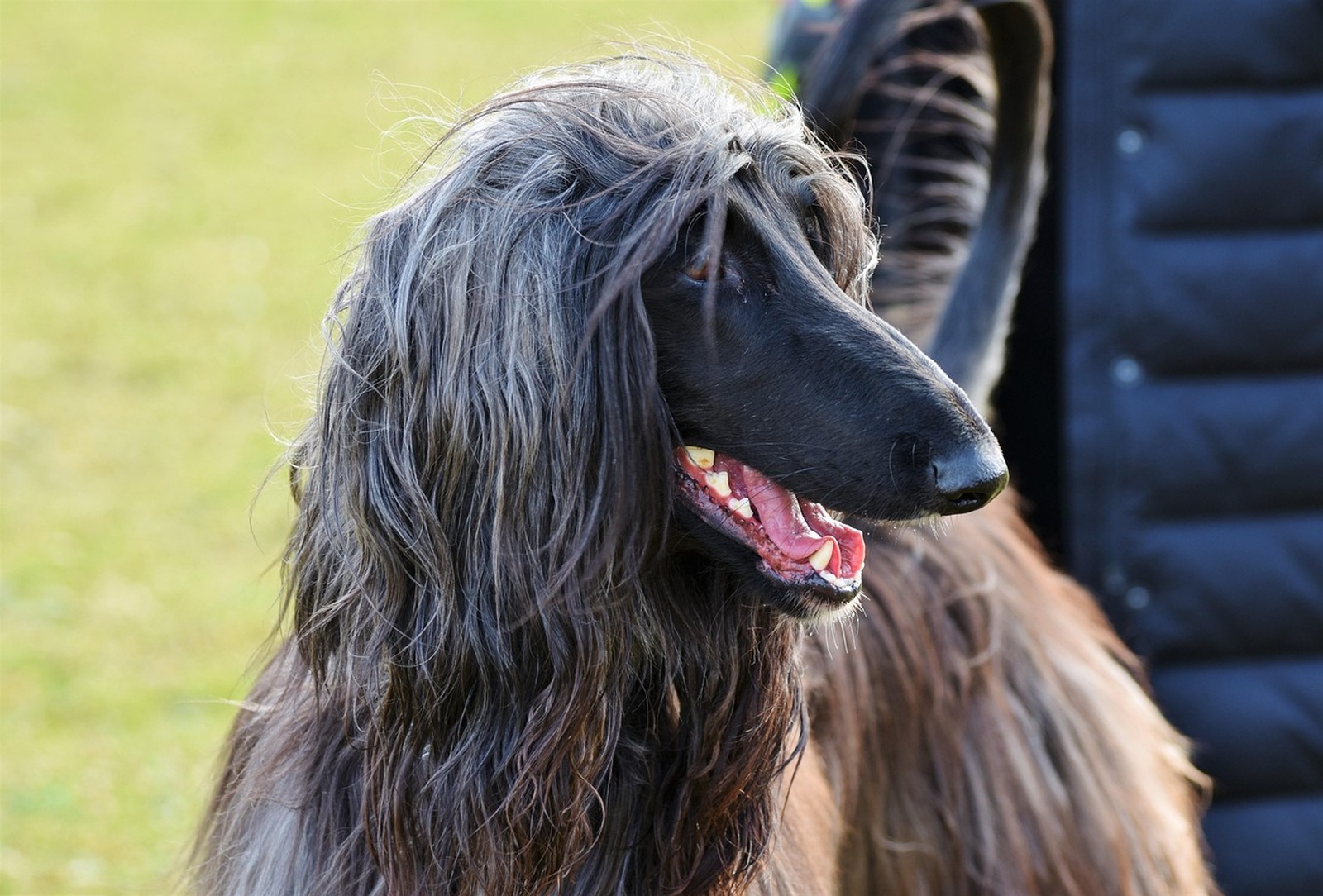
Yes, keep the log — and the Afghan Hound is one of the breeds that needs it most. That long, silky, flowing coat is designed by centuries of admiration to disguise the body beneath it. An Afghan can gain or lose a meaningful amount of weight while looking, to its own owner, exactly the same in the mirror and in photographs. Owners discover the change late: at a vet visit, in a groomer's hands, or when a hand finally goes through the coat and finds ribs far more prominent — or far better padded — than expected.
A written log replaces impression with evidence. Numbers taken the same way, on the same scales, at the same interval cannot be argued with by a glamorous silhouette, and a slow drift of small monthly changes becomes visible as a line rather than a surprise.
What to Record for This Breed
Weight alone is a good start, but for an Afghan add height at the shoulder while the dog is growing, because this breed grows tall first and fills out much later. Young Afghans go through a prolonged rangy stage — all legs, narrow chest, appetite that comes and goes — and a log that shows height climbing while weight follows steadily is reassuring evidence that the awkwardness is a stage, not a problem. Beside the numbers, record what is being fed and roughly how much, plus appetite notes; an Afghan that leaves food for a few days during a growth spurt reads very differently in a log from one whose appetite fades alongside falling weight.
As an adult, weighing monthly is plenty for most dogs, moving to more often if your vet asks you to watch a gain or loss. Puppies and adolescents benefit from fortnightly entries, since growth is fast and food amounts need adjusting in step with it.
Hands Matter as Much as Scales
Between weigh-ins, learn the hands-on check this breed requires. Part the coat and feel along the ribs: you should find them under a thin, smooth covering, present to the hand without being sharp. Feel the hip bones and the base of the tail, and look down at the dog from above when the coat is wet after a bath — the one moment an Afghan's true outline, including its naturally pronounced tuck-up and elegant waist, is honestly visible. Record a line about body condition beside the weight when you do this check, because a stable weight with changing condition tells a different story from a stable weight with stable condition.
Be careful not to chase the wrong target. Afghans are meant to be lean, high-standing sighthounds, and well-meaning comments from people used to rounder breeds can push owners to feed a correctly slim dog into softness. Your log, your hands and your vet outrank a stranger's idea of what a dog should look like.
When the Log Should Send You to the Vet
A log earns its keep most on the day it shows something unexplained: weight falling despite a steady appetite and unchanged food, a growing dog that stops gaining across two entries, or an adult whose weight swings sharply between monthly checks. Those patterns, written down with dates and food notes, are exactly what a vet needs to judge whether you are looking at a feeding adjustment or something that needs examining. Bring the log to appointments rather than summarising it from memory.
Kept faithfully, the log becomes part of the dog's health story — growth, condition and feeding in one place. In KinsLe, the Pet Passport holds that Afghan Hound weight history alongside vaccination and vet records in one portable packet, ready whenever a clinician asks how the dog has changed.