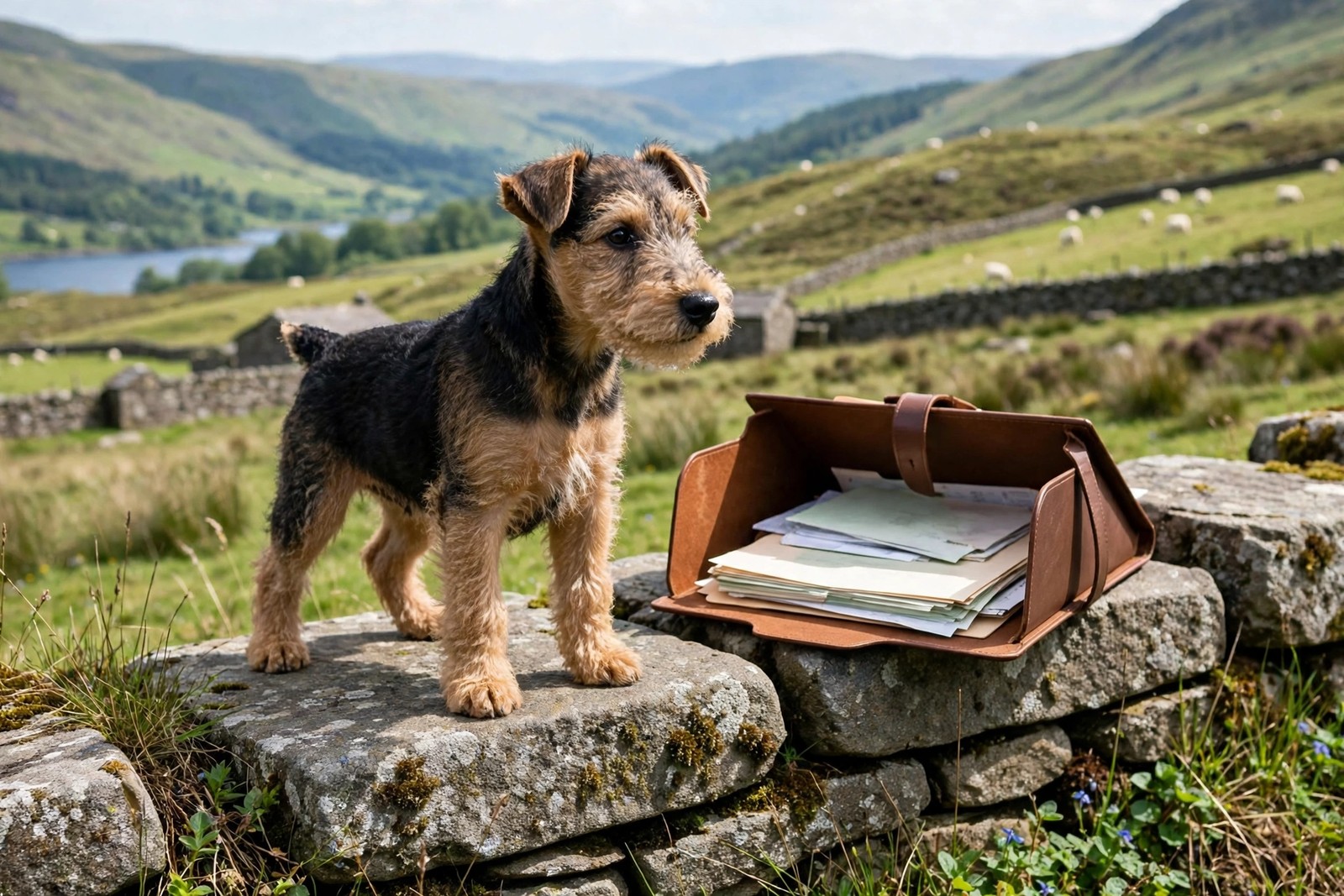
What should be in a Lakeland puppy's folder
A Lakeland Terrier puppy should leave with registration paperwork or litter registration, a lineage naming its sire and dam, and a written health record of vaccinations and deworming with the dates each was given. If a microchip was placed, expect the chip number and the paperwork needed to move it into your name.
A signed contract should accompany those documents, stating the health guarantee, registration conditions, and the breeder's take-back terms if the placement fails. Lakelands are a small, long-lived terrier from England's Lake District, and the paperwork should be built to last as long as the dog. Add the receipt and breeder contact details to the same folder.
Parent health records for a sturdy little worker
Ask for eye examination results for both parents and copies of any further screening the breeder has run on their Lakelands. The breed is generally hardy, which is exactly why documented testing stands out: breeders who bother to record results in a healthy breed are demonstrating habits, not hiding problems.
Share the copies with your veterinarian at the first visit. Parent records give context if a question ever arises about your dog's eyes or general soundness, and they complete the lineage's story, turning names on a page into health information you can actually use across a long terrier lifespan.
Grooming and boldness notes worth writing down
A Lakeland's wiry double coat needs regular stripping or clipping, and puppies that were introduced early to the grooming table settle far better. Ask the breeder for notes on what has already been done: brushing, first coat work, nail trims, and how this puppy handled being stacked and examined. Your groomer inherits whatever habits those notes describe.
Temperament notes matter for this confident, fox-hunting breed as well. Look for observations about the puppy's boldness, interest in toys and tunnels, and how it mixed with littermates and visitors. A trainer planning early classes for a spirited small terrier will use exactly those details to pitch the first sessions correctly.
Individual puppy identification is another small record with lasting value in a terrier litter. Wiry Lakeland puppies in grizzle, red, or wheaten can look nearly identical at eight weeks, so breeders commonly track youngsters with collar colours, marking sketches, or weekly photographs. Ask for the notes that tie your puppy's health entries, weights, and boldness observations to that identifier, and keep them with the lineage. As the adult coat and colour settle, those early identifiers explain which litter notes truly belong to your dog, and they make the breeder's records far more useful to everyone who reads them later.
Filing the Lakeland record at home
Bring the vaccination record, microchip details, lineage, and parent screening copies to your veterinarian soon after pickup so the puppy's permanent file opens complete. Transfer the chip registration, handle local licensing, and keep the contract somewhere you can produce it without a search party.
Then keep the file alive with boosters, grooming milestones, and weight checks rather than letting the breeder folder become a time capsule. Keeping it all in KinsLe's Pet Passport gives your Lakeland Terrier one portable packet that follows the dog from vet to groomer to boarding without loose sheets disappearing along the way.