
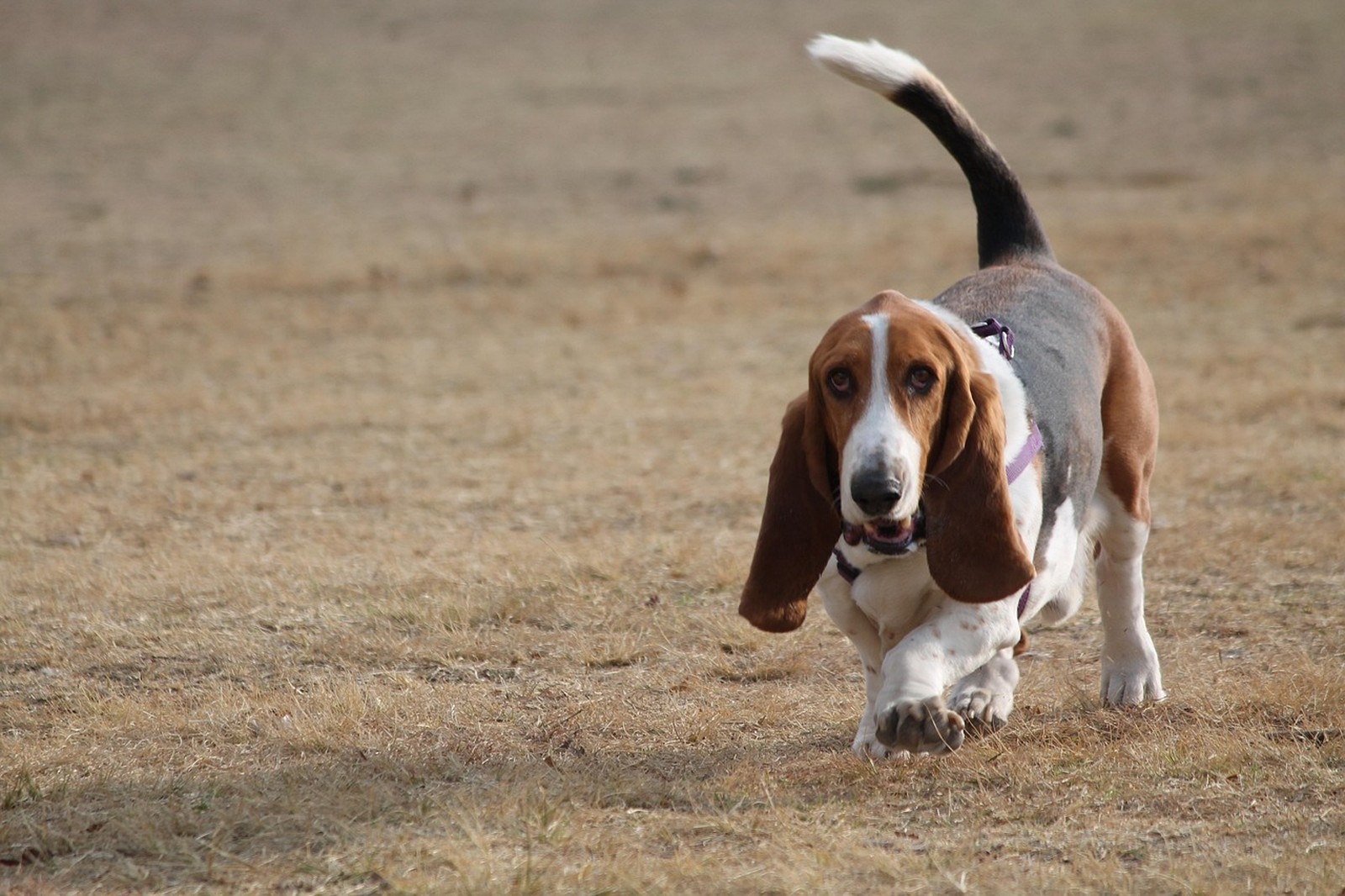
Why a Basset Hound benefits more than most from a log
Yes — a Basset Hound is exactly the kind of dog a weight and growth log was made for. The breed is built long and low, with dense bone, loose skin, and a famously steady appetite paired with a fairly unhurried approach to exercise. That combination hides gain well. A pound or two that would show quickly on a leggy dog disappears into a Basset's folds and broad chest, yet those same pounds press hard on a long spine, short limbs, and elbows that already carry a front-heavy frame.
A dated log turns a vague feeling that your dog looks heavier into a clear trend. If the line rises over three weigh-ins while food and walks have not changed, you have something concrete to adjust and to discuss. If it falls without a planned diet, that matters too, because unexplained loss in a normally food-motivated Basset deserves attention.
What to record for this breed
Weigh a Basset puppy every two weeks at first, then monthly once growth slows, and keep adult dogs on a monthly rhythm. Use the same scale where you can, ideally at the clinic or a pet store scale your dog can stand on calmly, and weigh before a meal for consistency. Alongside the number, jot down rib feel — ribs should be felt easily under a thin cover, not buried — plus waist shape viewed from above, appetite, stool quality, and stamina on the usual walk.
Also note anything specific to Bassets: trouble with stairs, reluctance to jump into the car, new lagging on walks, or soreness after a longer outing. Those notes beside the weight often explain each other. A rising weight paired with shorter walks points in a different direction than the same rise during a spell of extra treats from visitors.
How growth should look in a young Basset
Basset puppies grow into their bone and ears in an uneven, endearing way, with front legs, chest, and head seeming to arrive ahead of the rest. Steady gain matters more than hitting any single target weight, because individual Bassets vary considerably in frame. A puppy who gains steadily, stays bright and active, and keeps a visible tuck behind the ribs is usually on a reassuring path even if a littermate is heavier.
Flag a plateau paired with poor appetite, loose stools that persist, or marked lethargy, and raise it promptly with your veterinarian. Likewise, very rapid gain in a puppy who is also getting generous meals should be checked, since extra weight during growth adds load to developing joints and that long back at exactly the wrong time.
Using the adult log to protect back and joints
For an adult Basset, the log is mostly a guard against drift. Set a target range with your veterinarian based on your individual dog's frame, then treat two consecutive rises outside that range as your cue to review portions, treat habits, and daily movement before the next weigh-in. Small corrections early are far kinder than a large diet later for a dog whose back and elbows already work hard.
Bring the log to appointments rather than relying on memory. A year of numbers lets the clinic spot seasonal patterns and judge whether a food change actually worked. If appetite drops sharply, weight falls noticeably over a few weeks, drinking changes, or back pain signs appear such as yelping, a hunched posture, or reluctance to move, do not wait for the next scheduled weigh-in — contact your veterinarian promptly.
Storing the dated weights, rib checks, and walk notes in KinsLe through Pet Passport keeps your Basset's whole growth story in one portable packet that any vet, boarder, or family helper can read at a glance.