
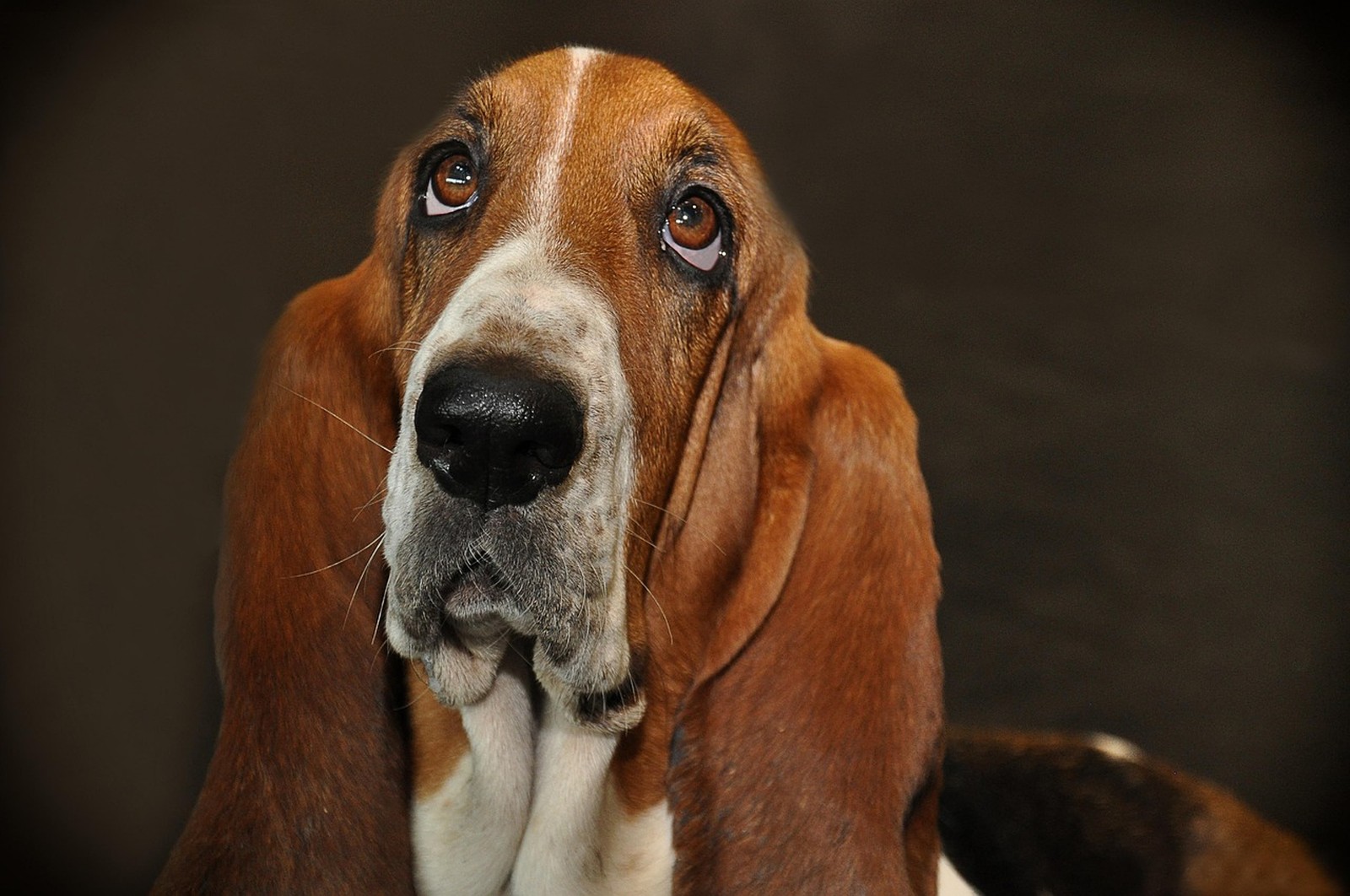
The Core Papers Every Basset Puppy Should Bring Home
Start with identity and ownership. Expect registration paperwork for the puppy or a registration application you complete yourself, a lineage record showing several generations, and a written contract that names the breeder and buyer, describes the puppy precisely, and states the purchase terms, the health guarantee, and what happens if the puppy must ever be returned. Read the return clause carefully; responsible breeders of Basset Hounds require the dog back rather than allow resale or surrender elsewhere.
The veterinary record is equally central. It should list each examination, the vaccinations given with their dates, deworming treatments, and any other care the litter received, ideally signed or stamped by the clinic that provided it. If the puppy is microchipped, the chip number and the paperwork to transfer the registration into your name should be in the same folder, not promised for later.
Parent Health Records Worth Asking to See
A Basset Hound's long body, heavy bone, and drooping ears make the parents' screening history genuinely relevant. Ask to see copies of the sire's and dam's health evaluations, including hip and elbow assessments, eye examinations, and any breed-recommended genetic test results the breeder holds. You are not looking for perfection; you are looking for evidence the breeder tests, keeps records, and will discuss results openly.
Also ask for the dam's whelping and litter records where available, and note the puppy's birth weight and early growth notes if the breeder kept them. For a breed prone to gaining weight easily later, an early baseline and the parents' adult condition both help your veterinarian set sensible expectations at the first visit.
Feeding, Care, and Ear Notes in Writing
Get the transition details in writing rather than by hallway conversation. The record should state exactly what food the puppy has been eating, how much, and how often, plus a small supply or a precise description so you can change diets gradually. Sudden food switches upset young stomachs, and a Basset puppy is no exception.
Ask for written notes on the care routine the litter knows: sleeping arrangements, early house-training progress, and ear care, since those long, heavy ears limit airflow and need regular checking and gentle cleaning from the start. A breeder who hands over honest notes about what the puppy has and has not yet learned is giving you a head start money cannot buy.
Checking the File Before You Leave
Sit down with the folder before the puppy comes home. Confirm the puppy's description and any markings on the contract match the dog in front of you, that vaccination dates make sense for the puppy's age, that the microchip number on the paperwork matches the chip paperwork exactly, and that your name and contact details are spelled correctly everywhere. Small errors are easy to fix on the day and surprisingly hard months later.
If something is missing, ask when and how it will follow, and get that promise in writing. Registration documents occasionally lag a litter, but a clear timeline from the breeder is reasonable; vague assurances are not. Keep receipts for the deposit and final payment with the same file.
Filing the Handover So It Works for Years
That envelope becomes the foundation of your Basset's lifelong record: first vet visit, insurance if you arrange it, training milestones, and weight entries all build on it. Store copies somewhere safer than a kitchen drawer, and bring the vet record to your puppy's first appointment so nothing is repeated or missed.
Once home, KinsLe lets your Basset Hound's Pet Passport hold the contract, lineage record, chip details, and health records together in one packet, so the puppy paperwork stays findable at every vet visit and trip that follows.