
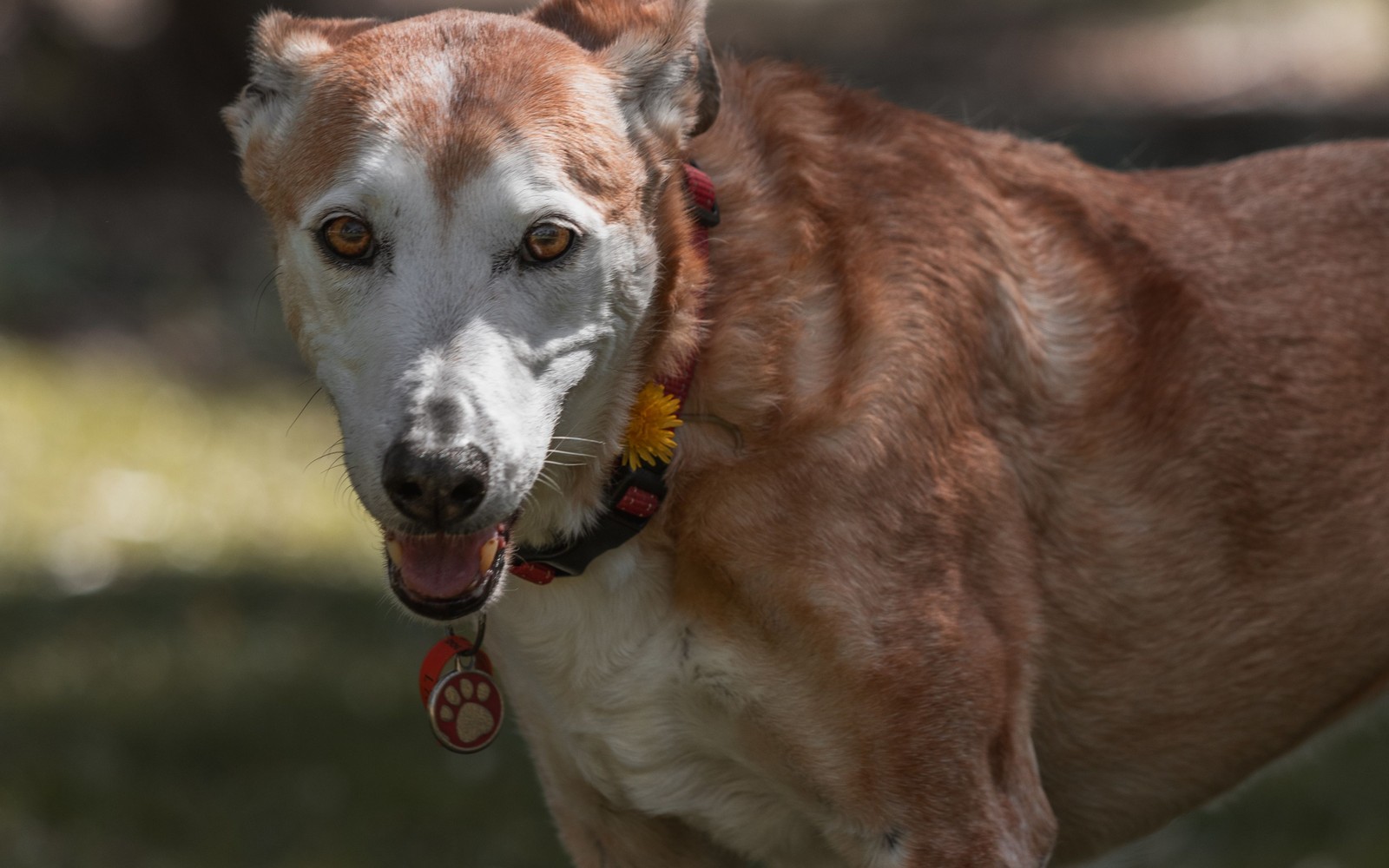
The common signs of cognitive decline in an aging dog include pacing or restlessness at night, staring blankly at walls, getting stuck in corners or behind furniture, forgetting housetraining he has known for years, and seeming disoriented in places he knows well. Some dogs become unusually clingy, others withdraw, and many sleep more by day while wandering at night. Because pain and several medical problems can imitate these signs, a veterinary visit — not an assumption that it is 'just age' — is the right first step.
The pattern vets look for
Clinicians often group the signs into categories: disorientation, changed interactions, altered sleep-wake cycles, house-soiling, and shifts in activity or anxiety. One quirk alone, like a single accident, is usually life. A spreading pattern across several categories is what raises the flag. A typical early picture: the thirteen-year-old who has started standing at the wrong side of the door waiting for it to open, who paces the hallway at 2 a.m., and who greets a lifelong family member a beat too slowly — each moment explainable, the accumulation unmistakable.
Cognitive decline tends to progress gradually, which is both the difficulty and the opportunity: gradual means families adapt and forget how things used to be, but it also means there is time to respond thoughtfully rather than in crisis.
Why the vet comes before the label
Several treatable or manageable conditions wear the same costume. Arthritis pain can cause night restlessness and reluctance to go outside, producing 'housetraining regression' that is really a dog who cannot manage the steps. Vision or hearing loss explains startling, withdrawal, and apparent confusion. Thyroid problems, high blood pressure, and other internal issues can alter behavior and sleep. Even a dog who is simply in pain from dental disease may seem dull and disengaged. A vet exam, often with basic bloodwork, sorts what can be helped from what must be accommodated — and ruling things out is not a wasted visit; it is the diagnosis taking shape.
Never assume decline explains a sudden change. Confusion that appears over days rather than months, collapse, circling consistently one way, or a head tilt warrants prompt attention, not a wait-and-watch approach.
Helping a dog whose world is getting fuzzier
While there is no way to rewind cognitive aging, daily life can be made much kinder:
- Keep routines predictable — same walk times, same feeding spots, same bedtime sequence.
- Keep furniture and his essentials in familiar places; rearrange rarely.
- Add night lighting along his route to the door or water bowl.
- Use gentle enrichment: sniffing games, licking mats, and short, easy training refreshers exercise the brain without frustration.
- Be patient with accidents and confusion; scolding a disoriented dog adds anxiety to fog.
- Block hazards like open stairs if he wanders at night, and keep ID current in case a confused dog slips out.
Ask your vet what supportive options fit your dog specifically, and revisit the conversation as things evolve — needs at the first signs are different from needs a year later.
A timeline is the most useful thing you can bring
Vets depend on your observations, and memory blurs exactly the details that matter: when the night pacing started, how often he gets stuck, whether it is worsening. Jot each episode down with its date as it happens, and bring the follow-up questions that pattern raises to Kimmy in KinsLe as it builds — whether night pacing is clustering, whether the corner-stuck moments are spreading, or what else is worth noting before the visit. By appointment day, that dated timeline replaces a vague 'a while now.' That record also helps the whole household see the same pattern and agree on adjustments like night lighting or a changed sleeping arrangement.
Kimmy gives symptom-framed support in KinsLe for questions about pacing, staring, or night wandering, with answers drawing on KinsLe Answers, and those answers point back to your veterinarian rather than settling the cause at home.