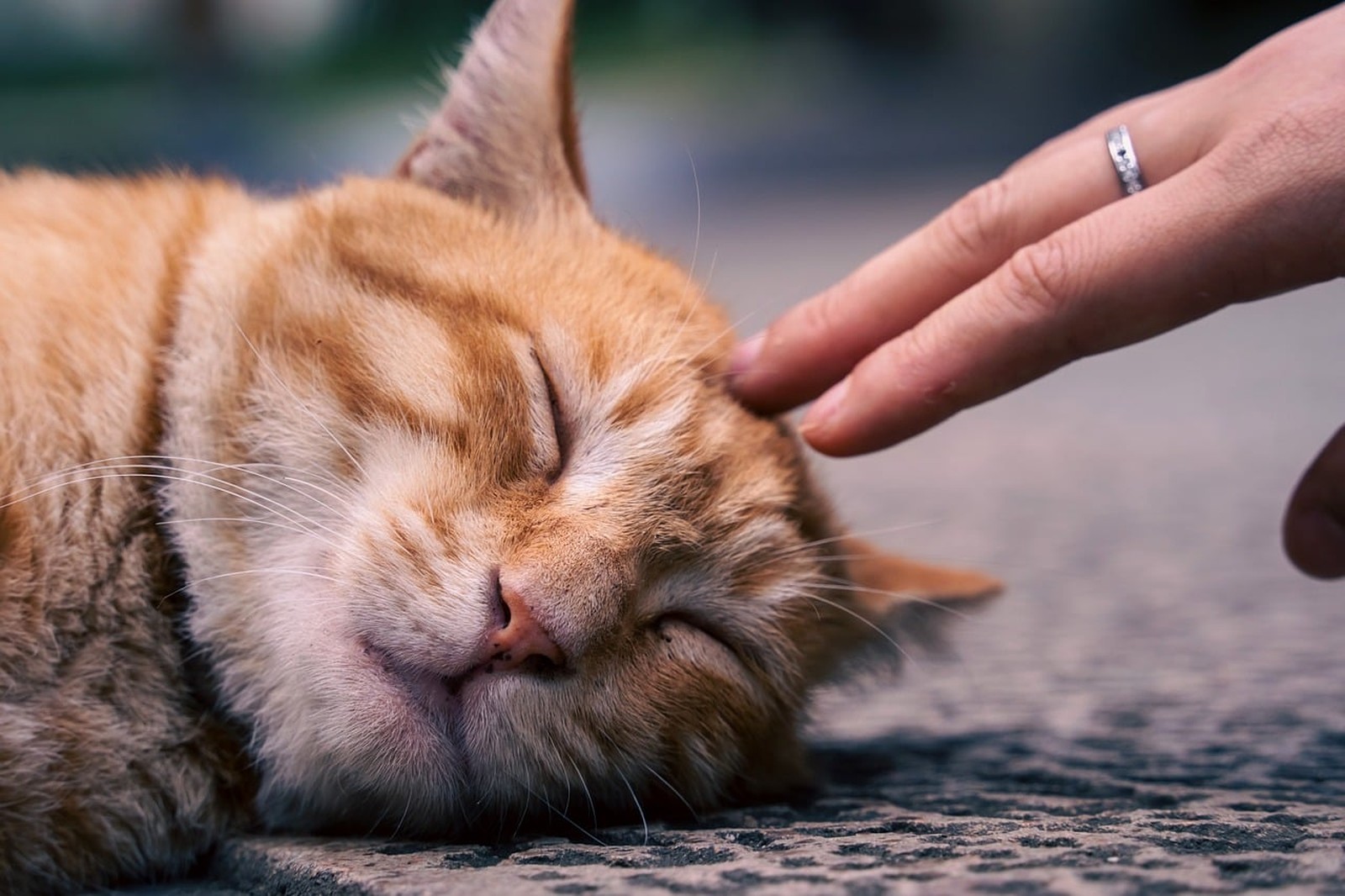
Adopting an adult cat trades the mystery of a kitten for something many owners find far more valuable: certainty. A kitten is a promissory note — its adult size, confidence, voice, and appetite for company are all still unwritten. An adult cat is a finished character. The personality you spend time with at the shelter is the personality that comes home, and that single fact shapes a calmer, more honest match than most kitten adoptions can offer.
A Personality You Can Actually Meet
Spend twenty minutes with an adult cat and you learn real things. You see whether it leans into a hand or prefers to supervise from a shelf, whether it chats back or stays quiet, how it handles a stranger's approach, and whether other cats nearby bother it. Shelters and previous owners can add the longer view: this one greets guests, that one vanishes until the house settles, this one demands a lap every evening.
That known personality lets you match a cat to your actual life instead of hoping a kitten grows into it. A quiet apartment and a work-from-home owner suit a settled, companionable cat. A busy household with older children suits a confident, social one. When the match is made on character rather than cuteness, cats stay adopted.
Calmer Energy From Day One
Adult cats have finished the kitten curriculum of climbing curtains at dawn, ambushing ankles, and treating every object as an unexplored summit. Most adults still play — often enthusiastically, in short bursts — but the baseline energy is lower and the day includes long, predictable stretches of sleep. For owners who want company more than chaos, that steadiness is a genuine daily pleasure, and for the cat, a home matched to its pace is a kinder home.
Settling also tends to be faster. An adult arriving in a new house usually establishes its eating, sleeping, and litter routines within days, because it is reapplying habits it already has rather than inventing them from scratch.
Habits and History You Can Read
Established litter habits are the practical headline: an adult cat typically arrives already fluent with a tray, so the adopter skips the accidents, the confinement to one room, and the detective work of kitten training. The same goes for scratching habits, food preferences, and tolerance for handling, all observable before the adoption is final.
An honest history travels with many adult cats: known health background, previous living situation, how the cat lived with children or other animals, and the reason it was surrendered, which is often a housing move or an owner's circumstances rather than anything about the cat. Ask for all of it, and ask what a typical day with this cat looks like — the answers are refreshingly concrete.
What an Adult Cat Asks of You
The trade is real and worth naming. An adult may arrive with settled preferences — a food it trusts, a routine it expects — and a little reserve while it learns a new home. Some adults carry past experiences that make them slower to trust, so the first weeks call for patience, predictable handling, and letting the cat set the pace of contact. Owners who respect that pace usually describe the same turning point: the day the cat chooses them back, which with an adult feels earned rather than automatic.
Keep the cat's known history where daily care can use it: favorite foods, vet details, the quirks and routines the shelter described, and your own notes as they build. From arrival day, KinsLe holds the shelter's honest notes alongside the adopter's own observations, and Transferrable Profiles carries both forward as the cat's own lasting record.