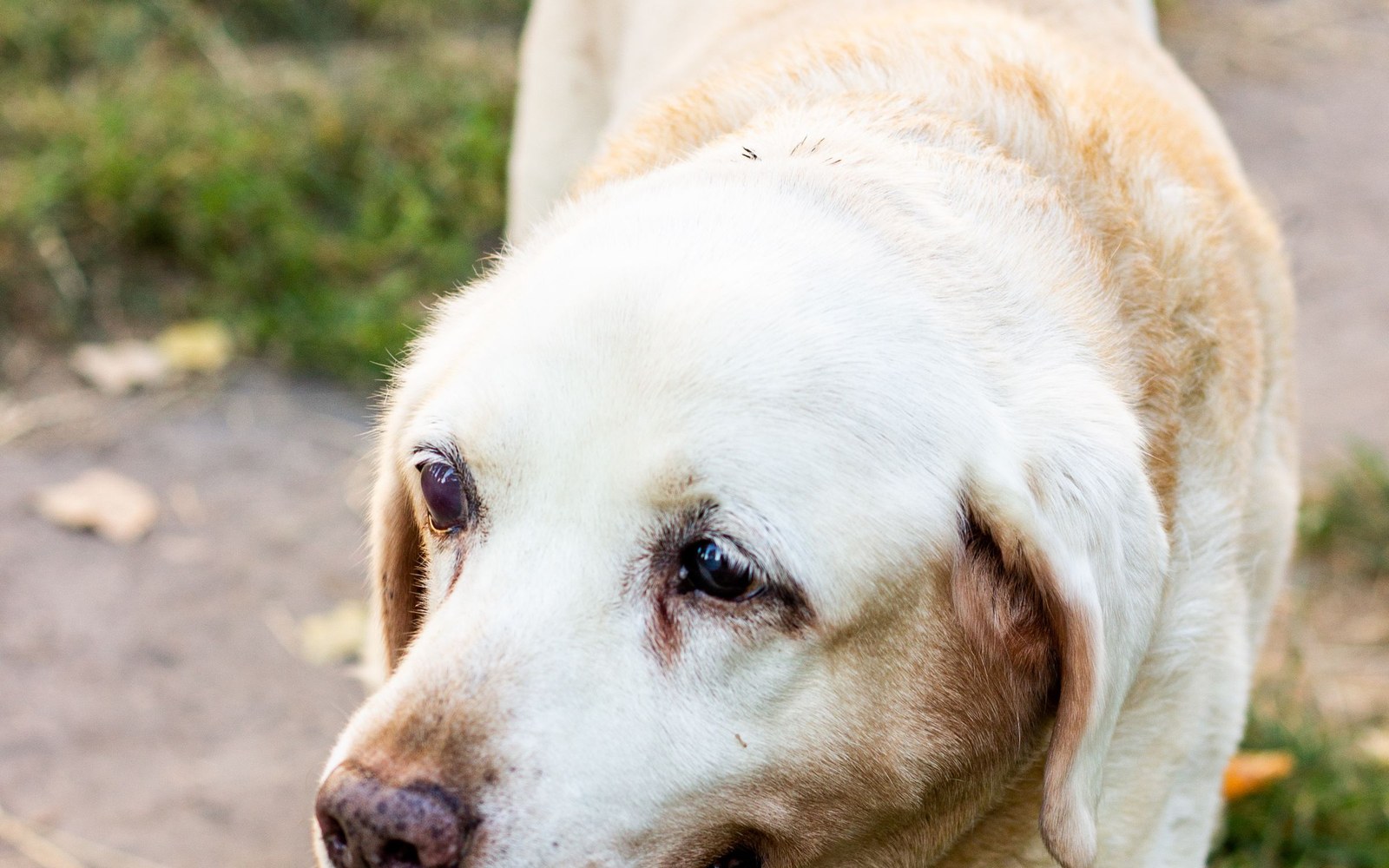
The early signs of arthritis in an older dog are easy to miss because they look like 'just slowing down': stiffness when he first gets up from a nap, lagging behind on walks he used to lead, hesitation at the stairs or before jumping into the car, and licking or chewing at a sore joint. Many dogs also play for shorter stretches, shift their weight oddly while standing, or get grumpier about being touched in certain spots. Catching these changes early gives your vet far more to work with.
Why the signs hide in plain sight
Dogs are stoic, and arthritis creeps. It rarely announces itself with limping on day one; instead it edits the edges of behavior. The morning stiffness that warms up after ten minutes of moving. The dog who still adores the park but now trots to a bench halfway round. The shepherd who used to launch into the truck bed and now waits, front paws up, hoping to be lifted. Because each change is small, families unconsciously adjust around them — and months pass before anyone says it out loud.
Pay particular attention if your dog is a large or giant breed, carries extra weight, had a joint injury or surgery when young, or belongs to a breed prone to hip or elbow problems. Those dogs deserve an even lower threshold for suspicion.
A simple home checklist
Watch for these over a couple of weeks:
- Stiffness or a wobbly first few steps after rest, easing as he warms up
- Reluctance or scrambling at stairs, curbs, or slick floors
- Slower walks, sitting down mid-walk, or choosing shorter routes
- Difficulty rising, lying down, or getting comfortable at night
- Licking, chewing, or watching a particular joint
- Less interest in play, or irritability when handled in certain areas
- Muscle loss over the hips or back legs, and worn or scuffed nails from dragging feet
Video helps enormously. A short clip of him rising, walking, and managing a step, taken monthly, shows progression that memory smooths over — and it is gold for your vet.
What the vet can do — and why guessing is not enough
Only a veterinarian can assess whether these signs are arthritis, something else, or a mix: back pain, a soft-tissue injury, and even some neurological problems can mimic joint disease. The exam, your history, and sometimes imaging let your vet map which joints are involved and talk through comfort options suited to your individual dog, along with weight targets — every extra pound multiplies the load on sore joints. Do not start, stop, or borrow medications on your own, and never give human pain relievers, several of which are dangerous for dogs. The earlier the conversation, the more of his mobility you are protecting rather than mourning.
Adjusting daily life while you work with your vet
While the plan comes together, gentle consistency beats heroic weekends. Shorter, more frequent walks on forgiving surfaces, a ramp for the car, rugs on slippery floors, and keeping his weight in check all reduce daily strain. Warm, draft-free rest spots and nails kept short also help more than owners expect.
Sharing the gentler routine fairly
Arthritis care fails when it depends on one person's memory. KinsLe's Care Teams let the family assign feeding, walks, medication, and grooming duties for your dog, with timestamped completions so everyone can see what has actually been done. That structure suits an arthritic dog perfectly: his exercise can be split into gentler, shorter outings shared across the household, nobody accidentally doubles a dose because a walk or medication was not logged, and the pattern of good days and stiff days becomes visible over time.
Written down as one shared routine in the Care Teams plan on KinsLe, his stiffness and pain-sign notes sit beside shorter walks and feeding tasks assigned to named family members, so changes reach his vet with a clear pattern behind them.