
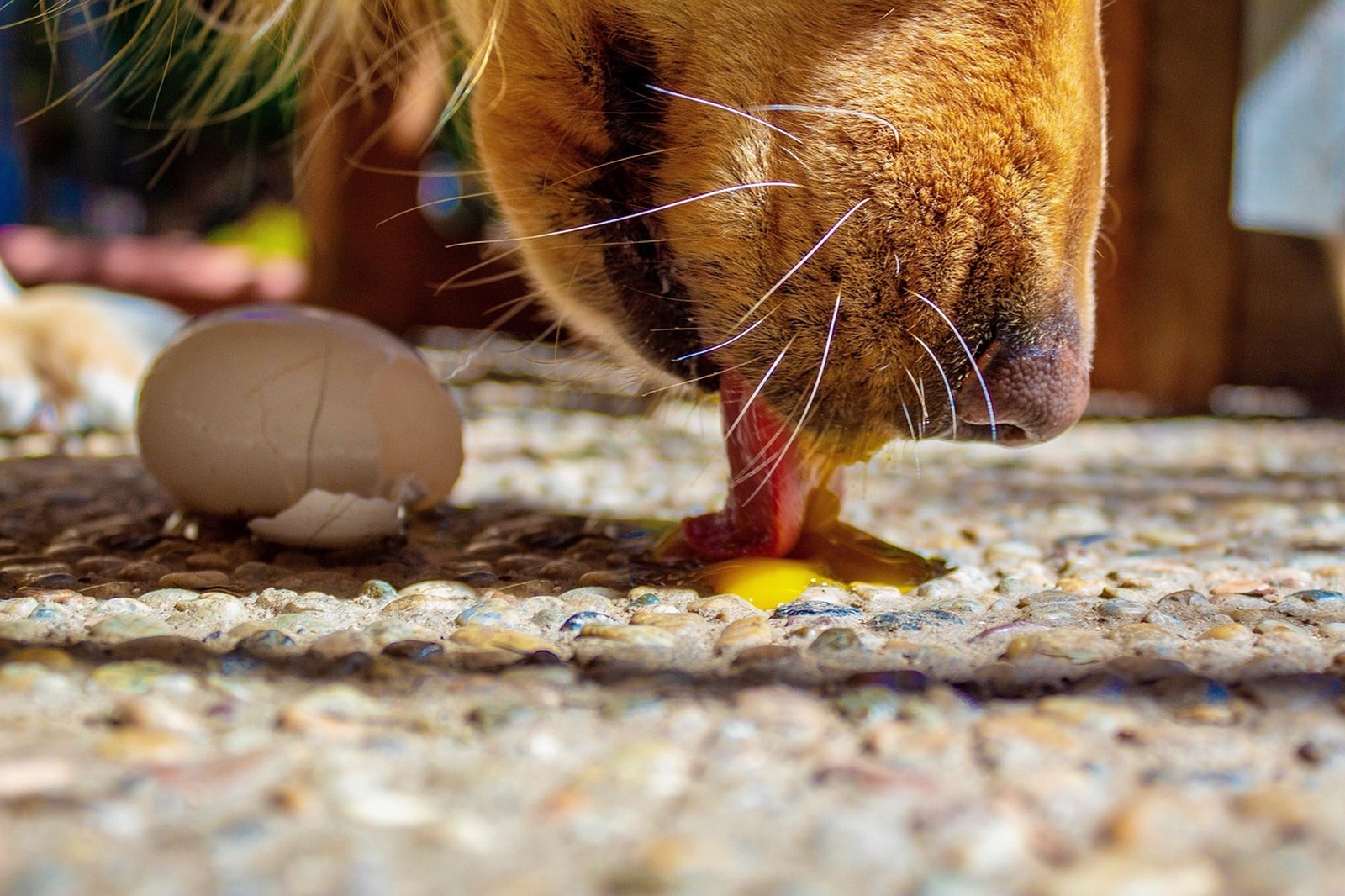
The bacterial risk sits in every raw meal
Raw meat, however carefully sourced, can carry bacteria such as salmonella, campylobacter, and certain strains of E. coli. Cooking normally destroys them; raw feeding skips that step entirely. Dogs are not immune — many tolerate exposure without obvious illness, but some develop vomiting, diarrhoea, and fever, and even a dog who stays well can shed bacteria in his stools and saliva for days after a meal. Freezing reduces some parasites but does not sterilise meat, and freeze-dried or high-pressure-treated products lower rather than erase the concern.
That shedding is what turns a feeding choice into a household exposure. Bacteria move from the bowl to the floor, from the dog's muzzle to a child's hands, from a licked face to a person who never touched the food at all.
Why the family side deserves equal weight
Veterinary and public-health bodies repeatedly caution that the risk falls unevenly. A healthy adult may shrug off an exposure that lands a toddler, a grandparent, a pregnant person, or anyone whose immune system is weakened by illness or treatment in hospital. Dogs fed raw should ideally not visit hospitals, care settings, or therapy-dog roles, and households with vulnerable members are usually advised by vets to choose a cooked diet instead — not as a judgement on the owner's care, but because the dog becomes a moving surface in the home.
Consider too the practical spread points: the dog who eats raw mince, then licks the baby's hands, toilets in the garden where children play, and sleeps on the family sofa. Managing that chain safely is possible, but it is a genuine daily discipline, not a one-time setup.
Risks that land on the dog himself
Home-assembled raw recipes are frequently unbalanced — too little calcium for a growing puppy, skewed mineral ratios, missing trace nutrients — and the harm is slow and silent until bones, growth, or organs show it. Commercial raw foods vary in how rigorously they are formulated and tested, so the word raw on a pack says nothing about completeness. Whole raw bones add their own hazards: cracked slab teeth are a common and painful injury, and bone fragments can cause choking, constipation, or a gut obstruction needing emergency surgery. Minced bone in a prepared food avoids the worst of that, but whole recreational bones remain a gamble many vets advise against.
Puppies, seniors, and dogs with existing illness or weakened immunity carry the highest personal risk from both infection and imbalance, and they are the groups for whom most vets urge the greatest caution.
If you still choose raw, do it properly
Use a commercially prepared food that states it is complete and balanced for your dog's life stage, from a maker who tests batches, rather than improvising recipes from the butcher. Handle it like the raw meat it is: dedicated utensils and boards, thawing in the fridge in a sealed container, surfaces disinfected after prep, hands washed after every contact, bowls washed in hot soapy water after each meal rather than left down. Store it separately from human food, pick up stools promptly, and keep face-licking and kitchen access in check, especially around children. Discuss the diet openly with your vet and, if children or vulnerable people live with you, with your doctor too.
That discipline only works when every person handling the dog follows it, which is why KinsLe Care Teams suits a raw routine so well — prep, disinfection, and feeding can be assigned as separate timestamped duties, so the cleaning step is visibly done rather than assumed.