
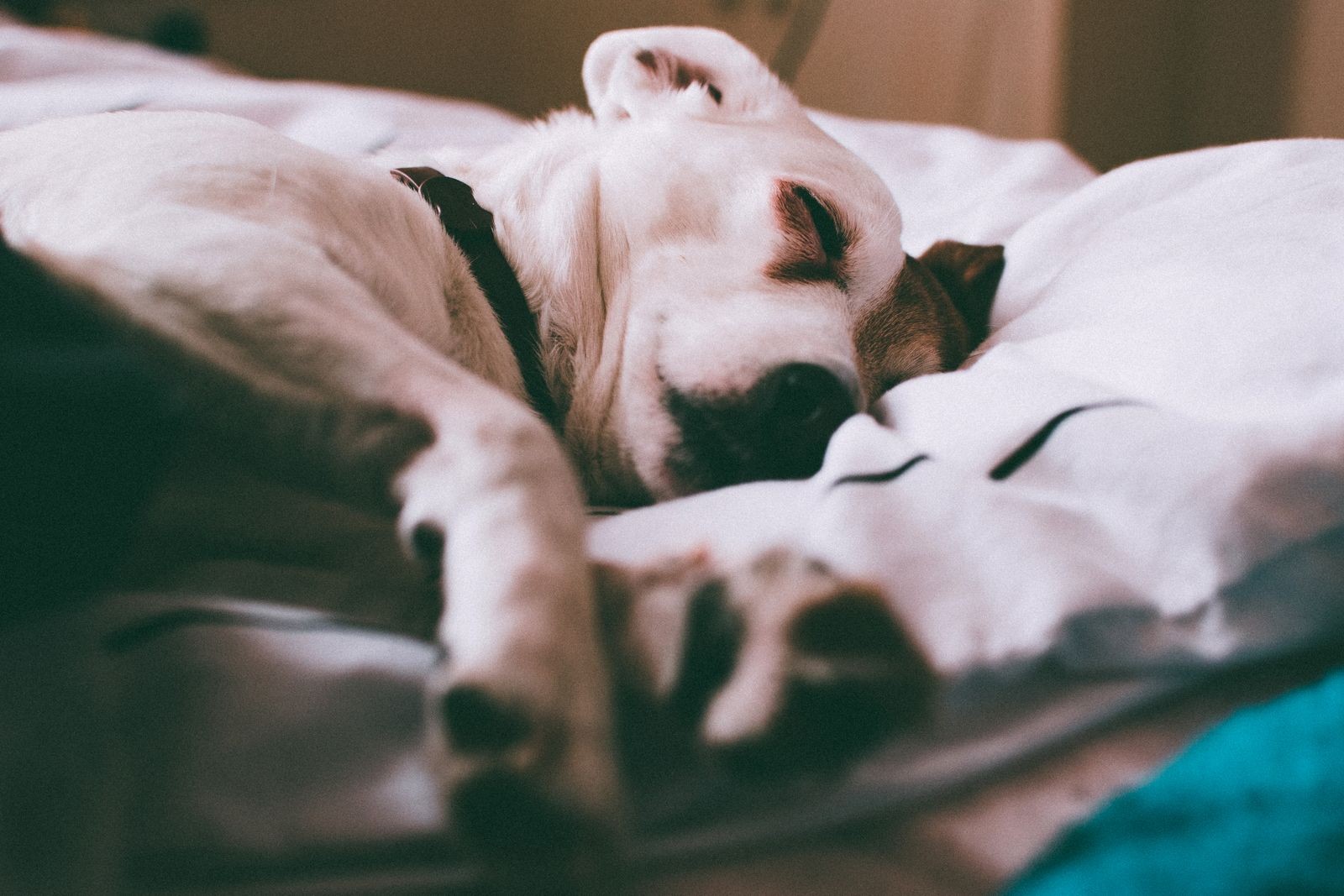
Plenty of what you are seeing is normal ageing: a greying muzzle, eyes that look a little cloudy but still see well, slower starts on cold mornings, and swapping marathon play sessions for shorter, satisfied ones are all typical for a senior dog. What is not normal ageing — and always deserves a vet call — is rapid weight change, new lumps, big shifts in thirst or appetite, repeated sickness, or sudden confusion and behaviour change.
The Normal List: Slower, Greyer, Still Himself
Grey hair arrives first around the muzzle and eyebrows, sometimes spreading across the face over years — purely cosmetic. Eyes often develop a bluish-grey haze called nuclear sclerosis as the lens ages; unlike cataracts, it usually affects vision only mildly, and your vet can tell the difference at a checkup. Your dog may sleep more deeply and longer, take a moment to unfold himself after a nap, hesitate before jumping into the car he once launched into, and prefer a steady trot to wild sprinting.
Stamina fades gradually, recovery from a big day takes longer, and many seniors get more particular: about their bed, their routine, and their favourite people. A little stiffness after rest that walks off within minutes is common in older joints. None of this needs fixing — it needs accommodating, with ramps, shorter walks, and patience built into the day.
Breeds age at different speeds, so judge your dog against himself, not the calendar. A Great Dane is deeply senior at eight; a Jack Russell Terrier may still be causing cheerful chaos at thirteen. The trend and the speed of change matter more than any single birthday.
The Not-Normal List: Always Worth a Call
Certain changes get waved away as just old age when they are actually symptoms. Book a vet visit for: weight loss or gain over weeks, especially with a normal appetite; any new lump, or an old lump that grows, changes, or bothers him; drinking or urinating noticeably more; appetite that drops off, or ravenous hunger that is new; repeated vomiting, diarrhoea, coughing, or laboured breathing; and limping that does not ease, yelping, or reluctance to be touched where he was fine before.
Sudden behaviour shifts sit on this list, too — a dog who is abruptly anxious, disoriented, pacing at night, having accidents after years of being clean, or snapping when he was always gentle. Pain, cognitive change, and several medical conditions can all look like personality at first. Likewise, collapsing, inability to pass urine, a swollen abdomen, or seizures are emergencies, not appointments.
The rule of thumb is simple: gradual and mild is usually ageing; sudden, rapid, or pronounced is a phone call, however old he is.
Noticing the Difference Early With Kinny
The tricky part is that gradual change is invisible day to day — you adapt as he adapts, and only notice when you look back months. Kinny, the built-in AI assistant in KinsLe, can take follow-up questions about the basics as they come up — a weight drift, a change in appetite or water intake, stiffer mobility, different sleep — and about which of those changes merit a veterinary call rather than watchful waiting. Bringing a concrete change to that conversation, and keeping a brief note now and then, is how you spot when slowing down has quietly become something changed; comparing this month with last is exactly how you catch the difference early, while help is simplest. Your vet would always rather hear that it is probably nothing, but he seems different, than meet a problem six months late. Kinny within KinsLe fields follow-up questions about which senior changes merit a veterinary call, and its answers come from the library behind KinsLe Answers.