
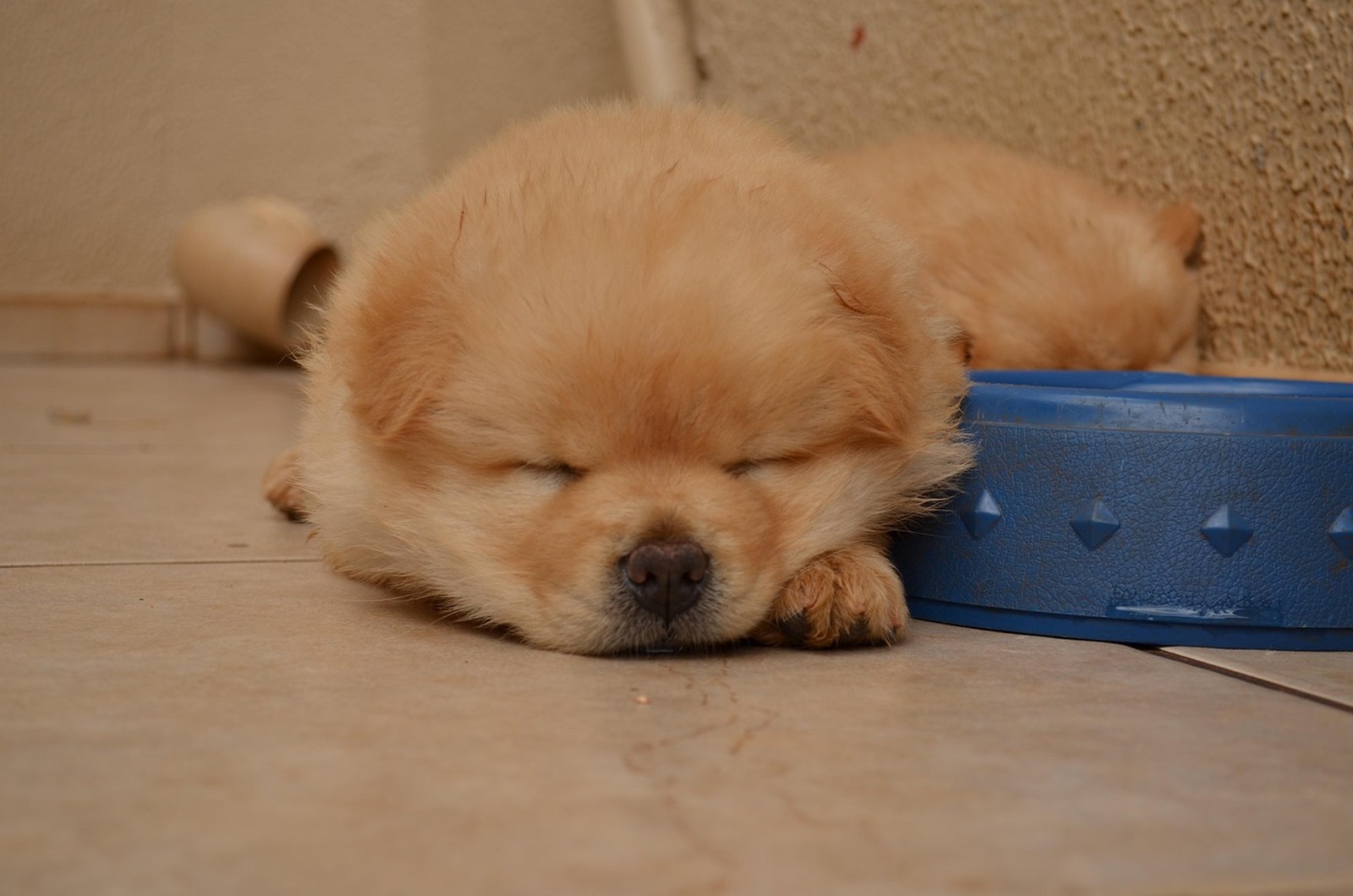
A Chow Chow's first year matters more than most breeds', because this ancient, self-possessed dog forms its view of the world early and revises it reluctantly. The puppy is a teddy bear in appearance and a serious dog in temperament, and owners who invest the year in socialisation and handling are repaid with a calm, loyal adult; owners who coast often meet the consequences at adolescence.
Socialisation: the year's main job
Introduce a Chow puppy to the world widely and without pressure. Let the puppy watch visitors, children, other dogs, traffic, and handling by different people from a comfortable distance, reward calm observation, and never force greetings on a puppy who hangs back. Chows bond deeply to their own household and can be wary of strangers as adults, so the breadth of friendly, unremarkable experiences in the first months directly shapes how relaxed the grown dog can be in company.
Handling practice runs alongside it. This breed, with its dense coat and proud bearing, must accept brushing, paw checks, ear and eye checks, and vet examinations as ordinary life. Build those touches gradually with food rewards from the first week, keep sessions short, and stop while the puppy is still relaxed. A Chow who has learned that being handled predicts good things is vastly easier to groom and treat than one whose first real handling happens in a crisis.
Boundaries without battles
Chows are independent thinkers, and confrontational training backfires: pushing, scolding, or trying to dominate a Chow teaches it to distrust you, not respect you. Clear routines, calm repetition, and rewarding the behaviour you want work far better. Teach the essentials thoroughly, recall on a long line, walking politely, settling on a mat, and giving up objects in exchange for something better, because resource guarding and selective hearing both appear in adolescents whose early training was thin.
House rules need to be identical from everyone: whether the dog is allowed on furniture, how visitors are greeted, and what happens when the puppy mouths or jumps. A Chow notices loopholes instantly and will adopt whichever version suits it.
Coat, heat, and the adolescent reality
That magnificent double coat needs brushing through to the skin several times a week, in sections, and sheds heavily in season; mats hide under the outer fluff long before they are visible from above. Chows also tolerate heat poorly, so exercise shifts to cool hours in warm weather, grooming doubles as a skin check, and a dog panting hard or restless in heat should be cooled and rested, with a vet call if it does not settle. Mention any squinting, watery eyes, paw chewing, or skin redness to your vet at check-ups, since catching small things early suits this stoic breed.
Adolescence brings strength, opinions, and testing of every boundary, at exactly the size where manners matter most. Stay boring, consistent, and kind, and the phase passes into a steady adult.
What you are building
A well-raised Chow is a dignified, devoted companion, aloof with strangers and deeply attached at home. Because success depends on every person in the house applying identical rules, KinsLe's Family Sharing helps by giving everyone access to the same Chow profile, handling notes, and care details, so the puppy hears one consistent story from the whole family.