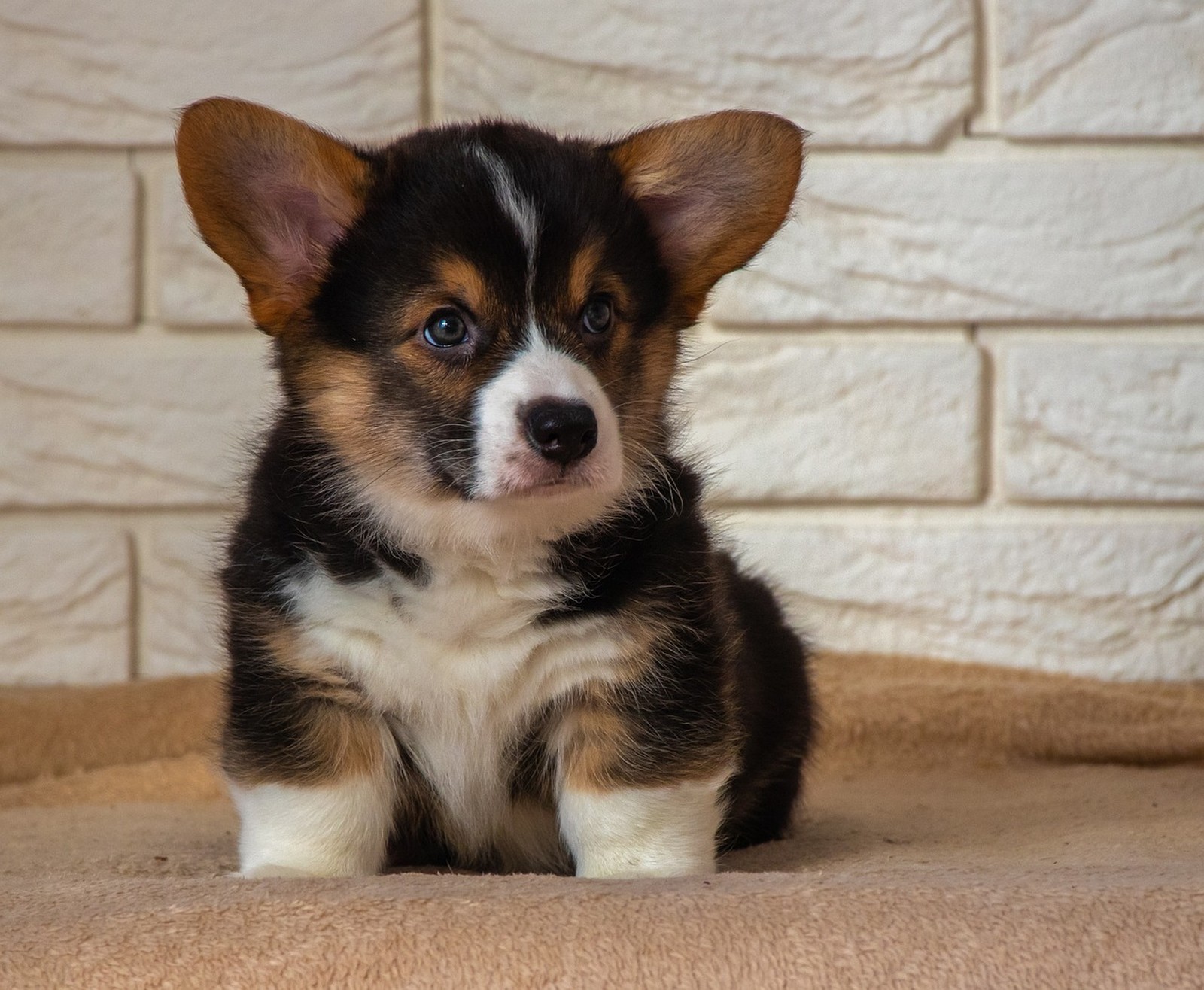
A cattle dog, not a novelty
Pembroke Welsh Corgis were bred to drive cattle by nipping heels and ducking kicks, working all day on farms while thinking for themselves. Your puppy inherits the whole package: boldness, intelligence, a loud voice, and the deep conviction that moving things should be organised. First-year life with a Corgi is therefore less about cuddling a loaf-shaped pet and more about giving a small working dog a household version of a job.
That heritage also explains the confidence. Corgi puppies frequently size up rules, test whether they apply today, and charm their way out of consequences with spectacular ears and a grin. Owners who combine humour with absolute consistency do best.
Herding habits in a family home
The signature first-year issue is heel-nipping, especially when children run, visitors move quickly, or the household gets exciting. Your puppy is not being aggressive; it is herding with the tools it was born with. Manage it early: stop the game when nipping starts, redirect onto toys and training, teach a strong settle and recall, and avoid chase games that rehearse the behaviour. Children should be supervised and taught to stand still and call an adult rather than squealing and running, which to a Corgi puppy is basically an engraved invitation.
Barking runs alongside it. Corgis announce arrivals, squirrels, and suspicious changes in furniture placement. Early socialisation, a taught quiet cue, and reward for calm watching keep the commentary proportionate.
Exercise, weight, and that long back
Short legs mislead people into under-exercising Corgis, and the breed gains weight readily, a combination that loads a long spine and short limbs. Real daily walks, play, and training games are essential, portions should be measured rather than eyeballed, and ribs should be easy to feel at every growth stage. Teach your puppy to use ramps or steps for sofas and cars rather than launching off heights, and discourage repeated stair-sprinting and flying leaps while the body matures. A Corgi who suddenly refuses jumps, yelps when picked up, or drags or wobbles on its back legs needs a veterinarian urgently, not rest and hope.
Mental work matters as much as the physical. Puzzle feeding, trick training, scent games, and learning new cues give the herding brain an outlet that a walk alone does not. A bored Corgi invents projects, and its projects usually involve barking, digging, or reorganising your belongings.
Shedding that defies the dog's size
The thick double coat sheds continuously and erupts seasonally, producing quantities of hair that guests will not believe came from one small dog. Weekly brushing, stepped up during coat blows, keeps it civilised and lets you check skin beneath the density. Baths are occasional, nails need regular trims because short legs do not excuse them, and teeth benefit from the usual early brushing routine.
Corgis are generally hardy, food-motivated, and eager students, which makes training rewarding when sessions stay short and varied. Use that food drive carefully: training treats come out of the day's ration, not on top of it, or the back pays for the education.
Social, sturdy, and entirely itself
Socialisation should be broad, because a confident Corgi is a joy in public while an under-socialised one can be bossy with dogs and noisy with strangers. Puppy classes, calm exposure to livestock smells and countryside life where relevant, and positive handling practice all help. By the end of the year, owners who met the herding brain halfway usually have a loyal, hilarious, slightly imperious companion. That personality comes with specifics worth preserving, and KinsLe does it with Transferrable Profiles, keeping a Pembroke Welsh Corgi's first-year record ready to travel intact with the profile to any future owner.