
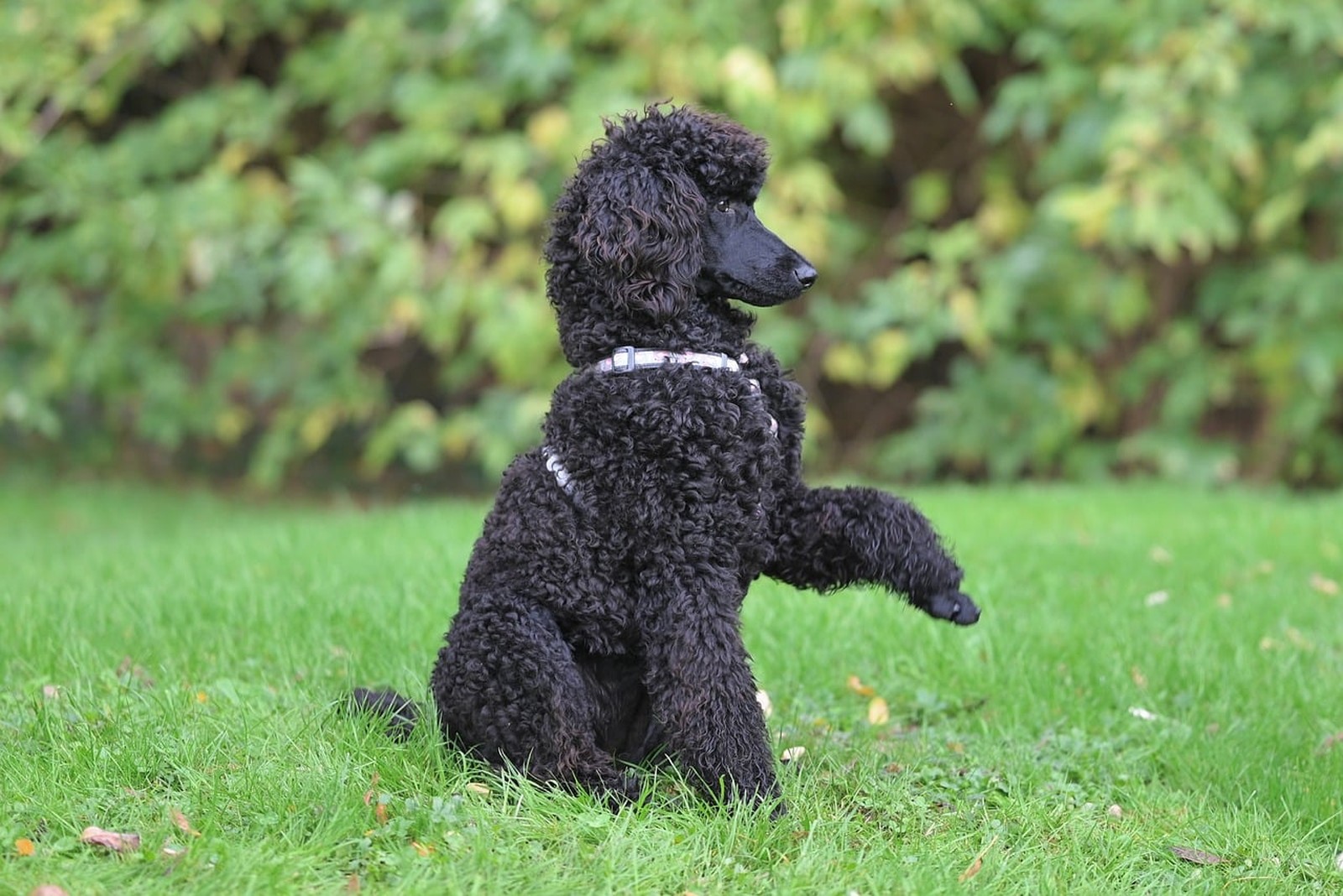
Standard Poodles surprise people who meet them expecting an ornament. The first year reveals an athletic, working-minded dog with a comedian's timing, a strong retrieve instinct, and a coat that requires a real plan. Owners who want an intelligent partner for training, hiking, and dog sports tend to thrive; owners who wanted a low-effort dog in a fancy cut tend to struggle with both the grooming bill of effort and a bored puppy's inventions.
A Brain That Needs Employment
Standard puppies learn cues at startling speed, including the ones you did not mean to teach. They notice patterns, anticipate routines, and test whether rules apply in new rooms. This intelligence makes early training a pleasure: house training usually clicks quickly, and foundation cues, lead manners, and recall games progress fast when sessions stay playful and varied.
The flip side is boredom. A Standard left without mental work will create projects, from excavating the garden to opening cupboards. Build the week around training games, scent work, retrieve sessions, and puzzle feeding, and teach a genuine settle, because clever dogs do not automatically know how to switch off indoors.
The Coat Is a Standing Appointment
The curly, low-shedding coat traps its own loose hair, which is why Poodles suit many allergy-sensitive homes and also why the coat felts into mats if brushing lapses. Most pet Standards are kept in a short, practical clip refreshed every few weeks, either with a professional groomer or with home clippers you learn to use during the puppy year, when short, kind practice sessions matter most.
Puppy coat change, typically in the second half of the year, is the danger zone: the soft puppy coat tangles into the incoming adult coat and mats form almost overnight behind ears, in armpits, and around the collar. Daily brushing through that transition, or clipping shorter until it passes, saves the dog a painful dematting session. Ears need regular checking too, since hair grows inside the ear canal and heavy ear leather traps moisture; raise repeated head shaking or odor with your vet.
Exercise for an Athlete, Not a Stroll
Standards were retrievers, and a young dog needs more than a walk around the block. Daily longer walks, off-lead running in secure areas where recall allows, swimming, and training woven into the outing suit the breed well. A tired Standard is an elegant, calm housemate; an under-exercised one paces, barks at passersby, and rehearses his own amusements.
Take care with high-impact jumping and endless stair climbing while growth plates are still closing, building stamina gradually through the year rather than throwing a young puppy into adult-level endurance work.
Sensitivity and Social Manners
Standards tune closely into their people's moods and can be reserved with strangers if early socialization is thin. Steady exposure to visitors, traffic, other dogs, and handling by different people builds the confident adult the breed can be. Many Standards are peaceable and playful with other dogs, and their size and bounce mean teaching polite greetings early prevents a large, springy adolescent from overwhelming smaller playmates.
The Dog at the End of Year One
At twelve months a Standard is usually a graceful, funny, deeply bonded companion whose clip routine has become habit and whose training foundation makes adolescence manageable rather than chaotic. The year demands grooming discipline and mental engagement more than anything else. Because this breed's life runs on appointments and records split between groomer, vet, trainer, and boarding kennel, KinsLe's Pet Passport gathers your Standard's documents into one portable packet that travels cleanly to every handoff.