
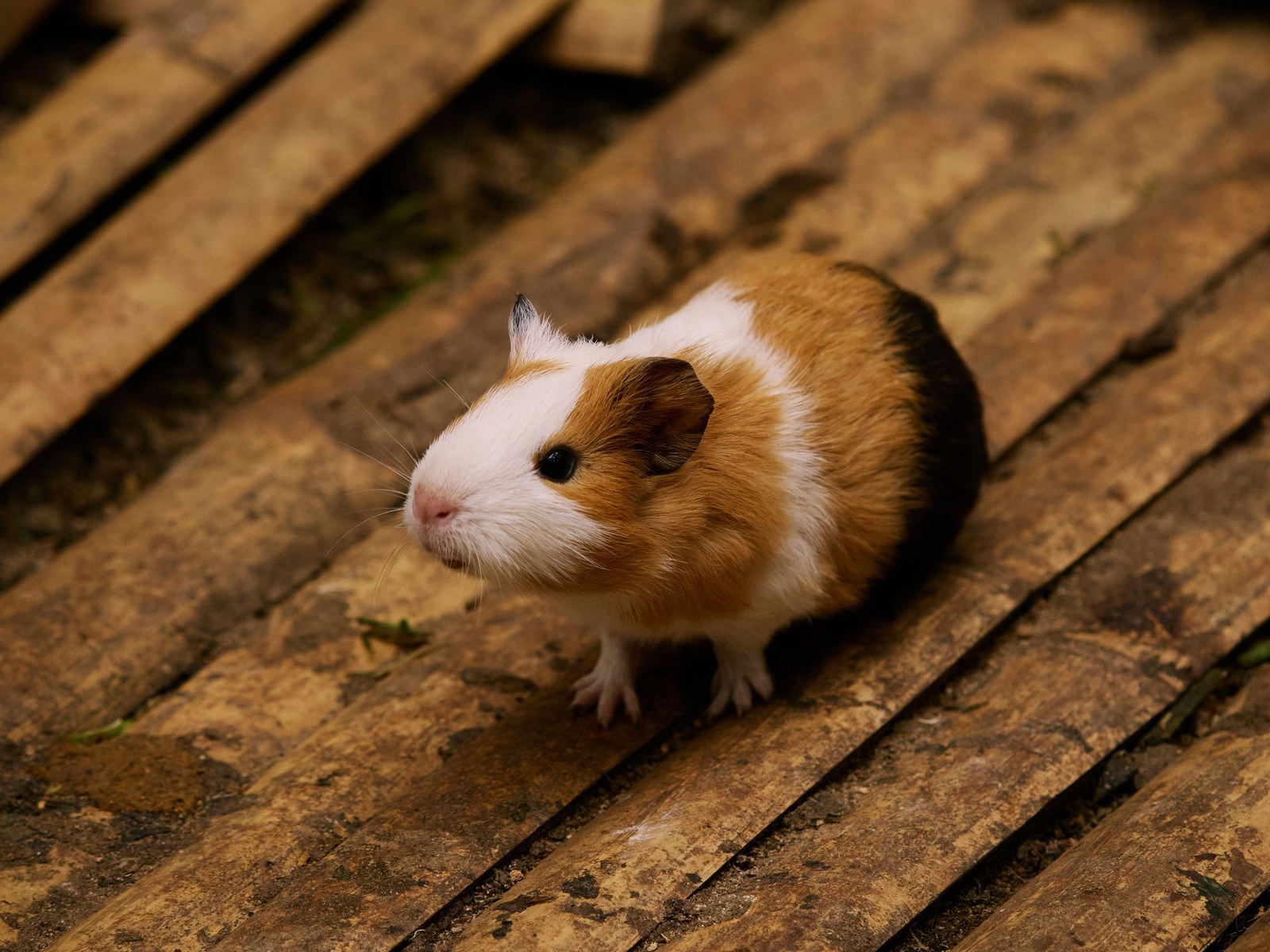
Guinea pigs should never have potatoes, onions, garlic, rhubarb, chocolate, dairy, or meat, and iceberg lettuce should never be their main vegetable. Seeds and nuts are risky too — high in fat and a potential choking hazard — so seed-based treat sticks belong on the avoid list as well.
Toxic foods to keep away entirely
The allium family — onions, garlic, leeks, and chives — can damage a guinea pig's red blood cells and must never be fed in any form, including cooked scraps. Raw potato and potato skins carry harmful compounds, and rhubarb is poisonous. Chocolate is dangerous for guinea pigs just as it is for many pets. Avocado is another unsafe item best kept completely off the menu. Because guinea pigs explore the world mouth-first, also think beyond the bowl: keep unsafe foods stored where a floor-time pig cannot reach them, and check that houseplants within roaming range are not toxic if nibbled.
Foods their bodies simply cannot handle
Guinea pigs are strict herbivores, so dairy products — cheese, yogurt drops, and similar marketed treats — have no place in their diet and commonly cause digestive upset. Meat and egg products are equally inappropriate. Very sugary foods, including large amounts of fruit and honey-based treat sticks, push the gut in the wrong direction and contribute to weight gain. Spicy, seasoned, or processed human foods are all unsuitable. A guinea pig's gut is tuned for fiber, water-rich vegetables, and little else, and it rewards owners who respect that simplicity.
The everyday traps
Iceberg lettuce is the most common well-meaning mistake: it is mostly water, offers little nutrition, and can cause loose droppings, so it should never be the main vegetable — dark leafy greens and peppers do the job far better. Seed and nut mixes, and the treat sticks built around them, add fat and present a choking risk from small hard pieces. Dried fruit is concentrated sugar. Even safe vegetables become a problem in excess: huge amounts of high-calcium greens day after day, for example, are a balance issue worth discussing with your vet if your pig has any urinary history. Variety in sensible portions is the protective pattern.
If your pig eats something unsafe
If you discover your guinea pig has eaten a food from the toxic list, contact your veterinarian or an emergency clinic promptly with the details — what it was, how much, and when — rather than waiting to see what happens. Do not offer home remedies or extra foods to 'counteract' it unless a vet directs you to. Monitor appetite, droppings, energy, and breathing closely, and keep the pig warm, hydrated, and settled while you follow professional advice. Quick, accurate information is what helps the clinic help you.
Sharing the avoid-list before handover
The riskiest moment for accidental feeding is a handover — to a boarder, groomer, or holiday carer who does not know your pig. KinsLe's Care Pass lets you share that avoid-list through a temporary, scoped, per-pet link before you hand your pig over, and the recipient needs no account or app to view it. Your pig's unsafe foods, safe staples, and daily routine arrive in one place instead of relying on a rushed conversation at the door. Care Pass on KinsLe gives the groomer or boarder caring for your guinea pig access only during the grooming or boarding stay, and only to the avoid-list of unsafe foods plus the feeding instructions you leave for that visit.