
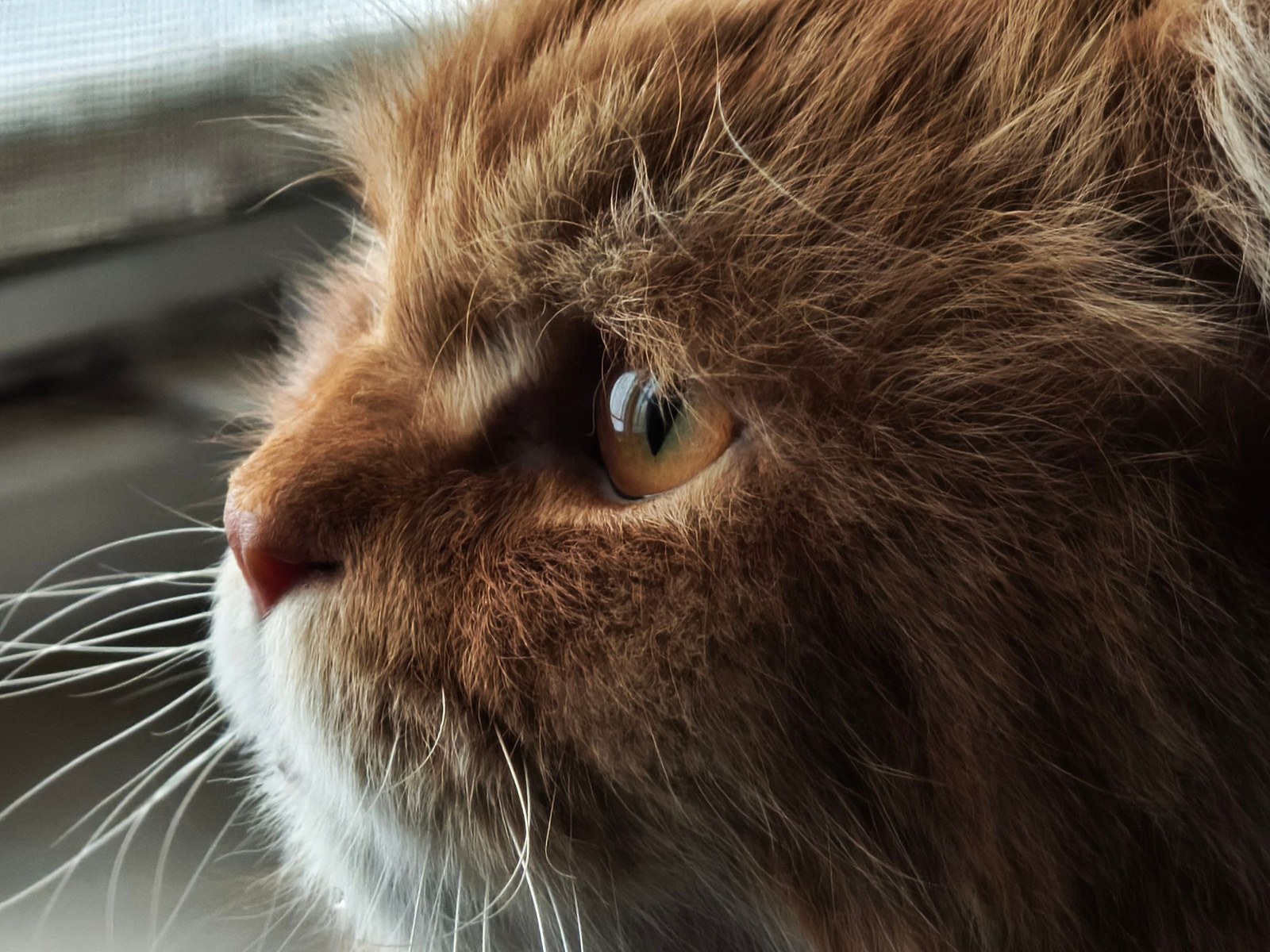
For long-haired cats, the foods that help most are complete hairball-care formulas with added fiber, fed in measured amounts — but for a Persian, Maine Coon, Ragdoll, or any cat in a full coat, food alone rarely does the whole job. Frequent, thorough grooming removes loose fur before it is swallowed, and that combination is what actually brings hairballs down.
What to look for on the label
Choose a complete and balanced cat food specifically formulated for hairball care. The key feature is added fiber, which helps swallowed hair move through the digestive tract and pass normally rather than collecting in the stomach. Some formulas also support skin and coat health, which can reduce excessive shedding of dry, loose fur.
Avoid relying on treats, pastes, or occasional “hairball snacks” as the main strategy unless your vet recommends them for your cat. They can add calories without providing complete nutrition. The base diet should do the work, with any extras counted into the daily total so weight does not creep up while you solve the hairball issue — a real risk in less active indoor long-hairs.
Introduce the new food slowly over seven to ten days, mixing a little more in each day. A sudden change can cause loose stools or food refusal, which is especially unhelpful when you are trying to judge whether the food is helping. Give a new diet several weeks, alongside grooming, before deciding it is not working.
Grooming is non-negotiable for long coats
Long fur mats, and mats pull, itch, and prompt more grooming and more swallowed hair. Brush or comb most long-haired cats several times a week, and daily during heavy shedding. Work gently down to the skin in sections — topcoat-only brushing misses the undercoat where loose fur collects. Pay attention to armpits, belly, trousers, and behind the ears.
Start where your cat enjoys being touched, keep early sessions to a few minutes, and pair them with calm praise. If you find tight mats you cannot tease out without pulling, a professional groomer or your vet clinic is safer than scissors close to skin, which can nick a cat easily. You can find local groomers through a pet services directory when home grooming is not enough.
Track what is actually happening
Keep a simple note for a month: how often hairballs appear, how often you groomed, and when you changed food. Patterns are hard to see from memory. A long-haired cat who still produces hairballs several times a week despite diet and grooming, retches without producing anything, loses appetite, or vomits food regularly needs a veterinary check — frequent vomiting is not always hairballs, and over-grooming can also point to itch, stress, or pain. Do not add oils, laxatives, or supplements without vet guidance.
Sharing progress with your care circle
When you are testing a new food, it helps if everyone involved hears the same updates. With KinsLe, KinsLe Messenger is the per-pet communications hub for your cat, so you can share progress and questions with your vet in your cat's own thread instead of scattering messages across texts and emails. Photos of the food, notes on grooming days, and hairball frequency all stay in one place tied to that pet. Post the new food's start date, grooming notes, and weekly hairball count in the KinsLe Messenger thread on KinsLe, so the vet reads one continuous record instead of scattered updates.