
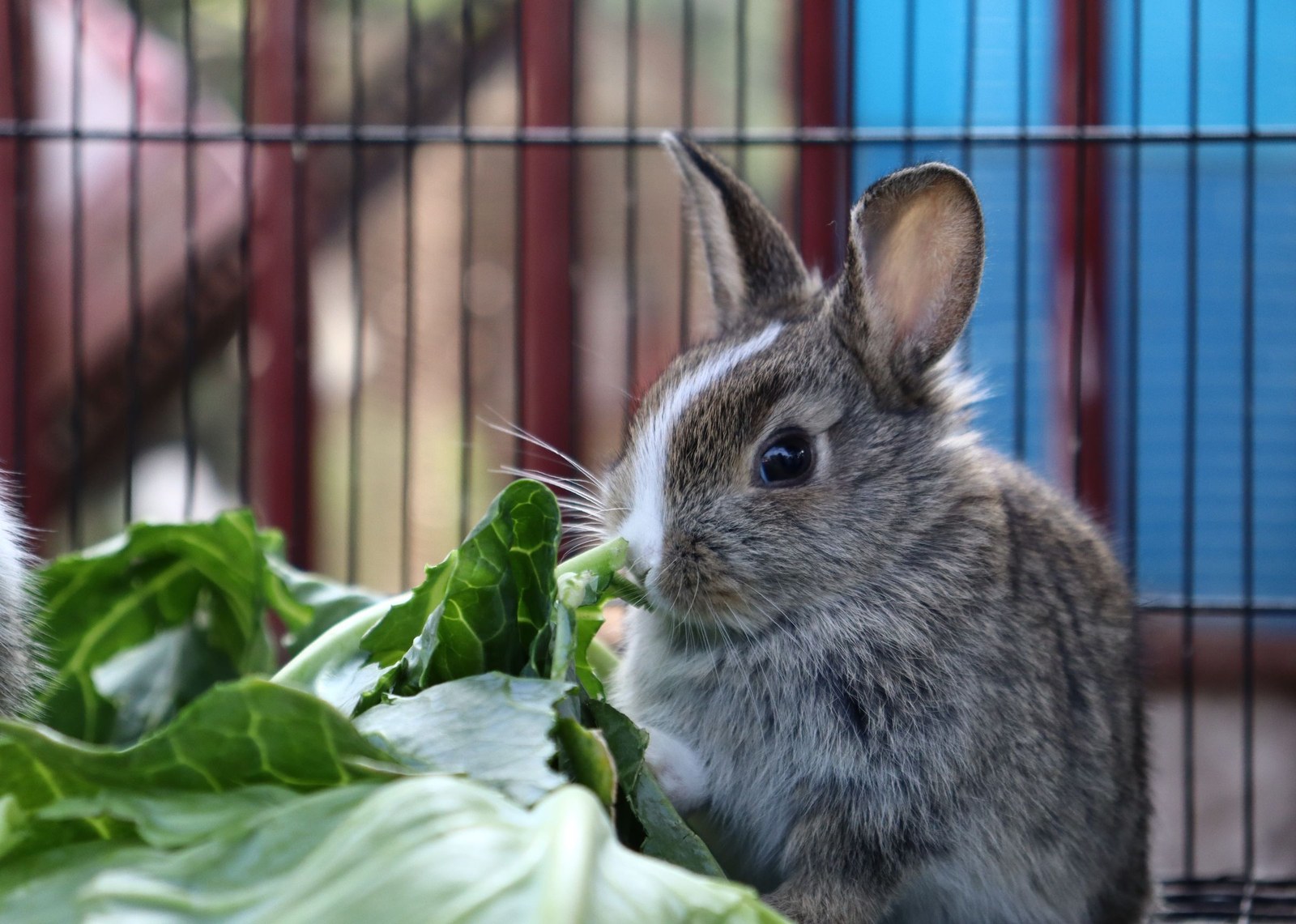
Rabbits can enjoy a daily handful or two of varied leafy greens, and safe everyday staples include romaine lettuce, cilantro, parsley, dandelion leaves, and bok choy. Greens add fiber, hydration, and the variety that keeps a rabbit interested in eating well, on top of the unlimited hay that remains the foundation of the diet.
A reliable everyday rotation
Build your rotation from leafy greens rather than crunchy vegetables, which are better treated as occasional extras. Dependable regulars include romaine and other dark lettuces, green and red leaf lettuce, cilantro, flat-leaf parsley, mint, dill, bok choy, and dandelion leaves and flowers from pesticide-free sources. Rotate two or three types at a time and refresh the mix every few days so your rabbit gets a spread of nutrients and flavors. A common guideline is roughly a packed cup or generous handful of mixed greens per kilogram of body weight per day, adjusted to your rabbit and your vet's advice.
Introducing new greens safely
Every new green should arrive in small amounts first. Offer a single new leaf type in a modest portion, then watch droppings over the next day or two for softness or a drop in hay eating. If all stays normal, that green joins the rotation. Introduce one new item at a time rather than a whole new salad at once; otherwise, if the stool softens, you will not know which item caused it. Wash all greens thoroughly, including garden-picked ones, and avoid anything collected near roadsides or treated lawns.
Greens that need a lighter touch
Some nutritious greens are best fed in smaller amounts or less often. Kale, spinach, and parsley are higher in calcium or oxalates, so many owners rotate them in modest portions rather than serving them daily in bulk — parsley is fine regularly in sprig-sized amounts, but variety is the safest strategy overall. Iceberg lettuce is a poor choice as a staple because it is mostly water with little fiber. If your rabbit has a history of urinary sludge or stones, ask your veterinarian which greens suit its situation before building the rotation.
Serving for freshness and fun
Serve greens slightly damp or freshly washed, at room temperature rather than fridge-cold, and remove wilted leftovers after a few hours so nothing ferments in the enclosure. Scattering greens through hay, tucking them into a cardboard forage box, or clipping them to the enclosure bars turns a meal into gentle enrichment. A rabbit that rushes over at greens time is showing you a healthy appetite — a rabbit that ignores a favorite green is giving you an early warning worth a vet call if it persists into the day.
Handing the greens list to a sitter
When someone else feeds your rabbit, 'some greens' is not enough information — the wrong leaf or a brand-new one can upset a sensitive gut. KinsLe's Care Pass creates a temporary, scoped link to your rabbit's care details that you can share with a sitter, and the recipient needs no account or app to open it. Your exact greens list, rotation, and portions are right there, so a weekend away does not mean a diet detour. During a weekend trip, give your sitter access solely to the romaine, cilantro, and bok choy portions plus feeding times through the Care Pass on KinsLe.