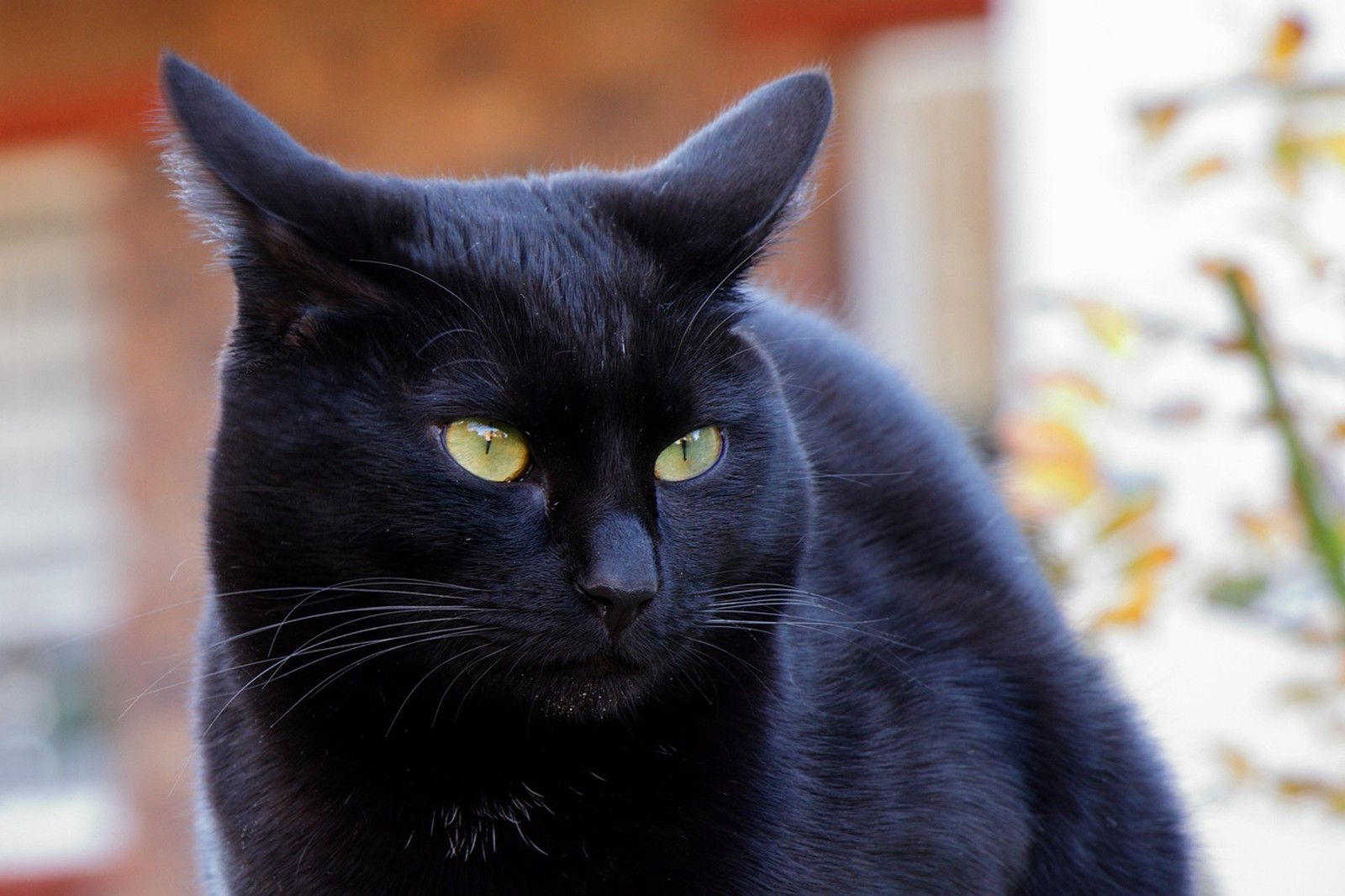
A black coat is unforgiving in the best way: when grooming is going well, the shine is unmistakable, and when anything is off, every loose hair and white flake announces itself against the dark fur. Her routine does not need to be elaborate. It needs to be regular, matched to the length of her coat, and honest about what flakes are actually telling you.
Brushing Matched to Her Coat
Brush her on a regular rhythm rather than in occasional rescue sessions. A shorthaired black cat usually does well with a thorough brushing once or twice a week, while a longhaired cat needs combing several times a week to keep the undercoat from packing down and matting behind the ears, under the front legs, and along the belly. Work in the direction the coat grows for loose surface hair, then gently against the lie of the fur to lift what is ready to come out, and finish with a smooth pass that spreads her natural skin oils along the shafts, because that oil is where the gloss actually comes from.
Keep sessions short and end them while she is still relaxed. Brushing is also inspection time: run your fingers against the coat to feel for bumps, scabs, or sore spots the eye misses on black fur, and part the coat in a few places to look at the skin itself. On a black coat, a small change in shine is itself a change worth noticing.
Reading the Flakes Honestly
Flakes on a black cat look dramatic, and that visibility is useful information rather than an emergency. Loose white specks appear for ordinary reasons: dry indoor air in heating season, a stretch of coat she is no longer reaching well as she ages or gains weight, a diet that does not suit her skin, or simple loose skin cells turned over faster than brushing removes them. A few flakes that clear with regular brushing and do not return heavily are usually a grooming matter.
Treat flakes as a question when they persist. Heavy or recurring dander, flakes paired with itching, bald patches, redness, a greasy feel, or a change in her appetite or energy moves the issue beyond grooming, because skin changes can reflect wider health questions only a veterinarian can investigate after examining her. Write down when the flakes appeared, where they concentrate, and what else changed at the same time.
Bathing Rarely, and the Sun Tint
Bathing is the exception in her routine, not the foundation. Frequent washing strips the oils her coat needs for shine, so bathe her only when something genuinely needs washing off, using lukewarm water and a product made specifically for cats. Human shampoos and dog products can irritate feline skin and are not safe substitutes, and a cat who hates the bath should not be subjected to one for cosmetic reasons alone. Dry her thoroughly in a warm room afterward, and brush once the coat is fully dry.
Owners of black cats also notice a rusty bronze tint after a summer of sunny windowsills. Strong sun lightens black fur the way it lightens dark fabric, and the tint is cosmetic: the new coat grows in black, and no treatment is required. Never use dyes, darkening sprays, or tinted products on her coat to correct the color; a healthy sun-kissed cat needs nothing applied to her fur at all.
Notes That Make Skin Changes Clear
Because her coat reports change so visibly, a brief grooming log pays off: brushing days, flake levels, the areas affected, and any new bump or sore spot, each with a simple note of when the change appeared. Pet Passport on KinsLe holds that kind of record well, since the Pet Passport record on KinsLe keeps her health notes, visit history, and observations together in one packet that travels with her. Bring the flake and grooming history held in the Pet Passport file on KinsLe to any skin appointment, and her veterinarian can judge change against her own baseline.