
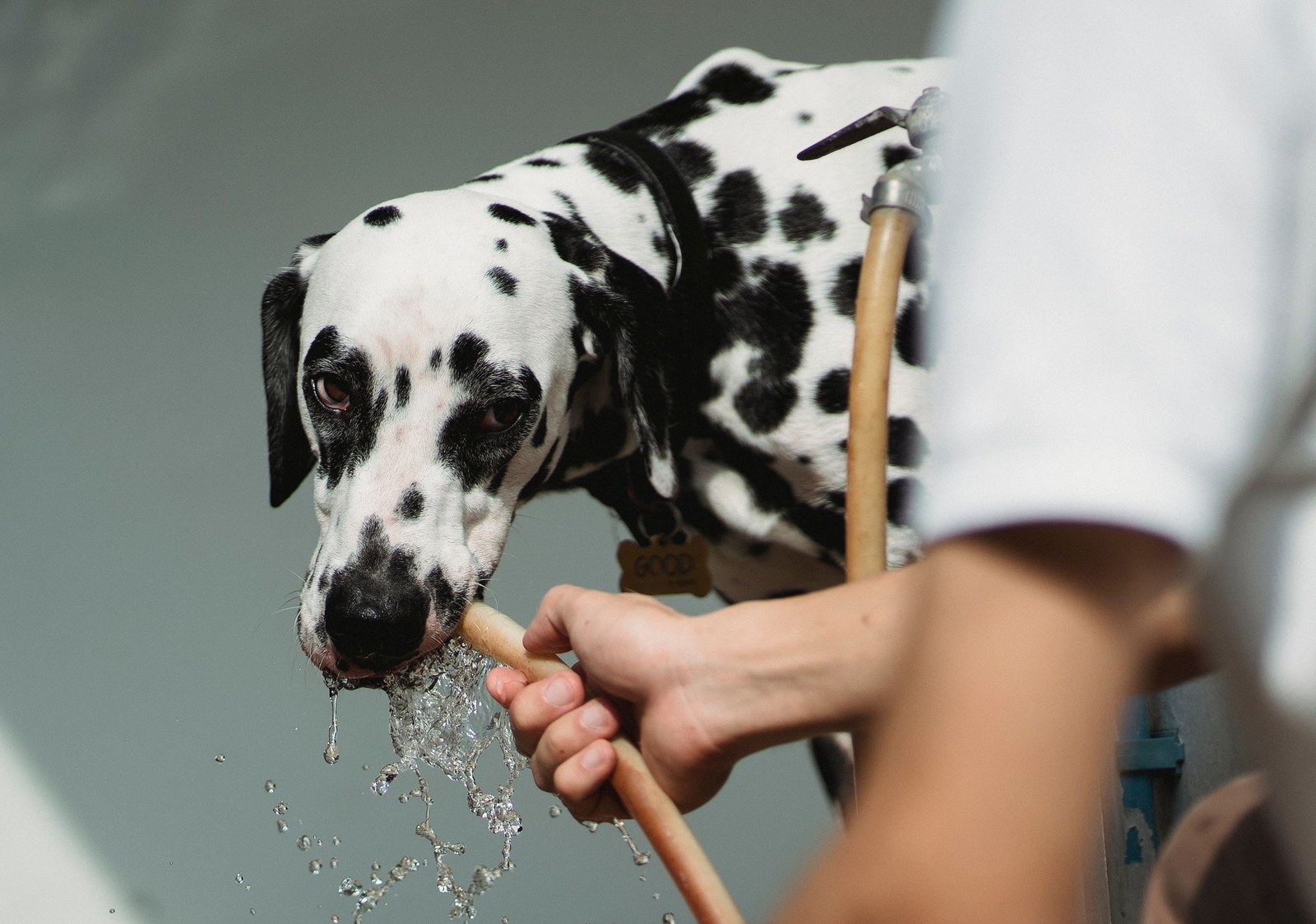
Summer grooming for dogs centers on three things: regular brushing so air can move through the coat, rinsing off after swims and sweaty outings, and checking ears and skin folds that stay damp in the heat. Keep sessions short on hot days, work in the shade or indoors, and never let the coat slide into mats — matted fur traps heat and moisture right against the skin, which is the opposite of what a hot dog needs.
Brushing for Airflow, Not Just Looks
A brushed-out coat is a cooling system. Loose undercoat and tangles block airflow, so a few minutes with a slicker brush or undercoat rake several times a week genuinely helps your dog regulate temperature. For long-coated breeds, keep the feathering on legs, belly, and tail combed through — those areas collect burrs, grass seeds, and sticky plant material on summer walks. Check between toes too; grass seeds love to lodge there and can work into the skin if missed.
Short-coated dogs need less, but a weekly once-over with a rubber brush removes loose hair and lets you spot sunburn on thin-coated or light-colored dogs, whose noses and ears can burn on long sunny days.
After Swimming and Outdoor Adventures
Lake, river, sea, or backyard pool — rinse your dog with clean water afterward. Chlorine, salt, and algae-laden pond water all irritate skin if left to dry in the coat, and a quick hose-down plus a thorough dry prevents that sour summer-dog smell from setting in. Pay special attention to ears: water left in the ear canal is a classic setup for ear infections, especially in flop-eared breeds like spaniels and basset hounds. Dry the outer ear gently after swims, and watch for head-shaking, scratching, or a yeasty smell, which are worth a vet check.
Skin folds — on bulldogs, pugs, and shar-peis — need a wipe and a dry on hot days, since warmth and moisture in a fold invite irritation fast.
Heat-Smart Grooming Habits
Groom in the coolest part of the day, keep it brief, and always have water nearby. Never use a hot dryer at length on a warm dog; a cool setting or air-drying in the shade is kinder. Keep nails trimmed — summer means more pavement walking for many dogs, but also more swimming, which softens nails less than owners expect. And keep up paw checks: hot ground dries pads out, so a dog-safe balm after evening walks helps.
One firm rule: grooming is never a substitute for shade, water, and rest. A dog who is panting hard, drooling, or unsteady needs cooling and possibly a vet, not a brush.
Sharing Summer Care Notes with a Groomer or Sitter
Summer often means holidays, and whoever grooms or watches your dog needs the same playbook: rinse after swims, dry the folds, brush every other day. KinsLe's Care Pass makes that simple — it is a temporary, scoped link to your dog's care information that you can send to a groomer or sitter, and the recipient needs no account and no app to view it. No printed instructions left on the counter, no long text messages that get buried. Set the notes once, share the link, and your dog's summer routine travels with them. Care Pass on KinsLe can show your groomer, for that grooming appointment alone, solely the rinse-after-swims, ear-drying, and fold-wiping notes.