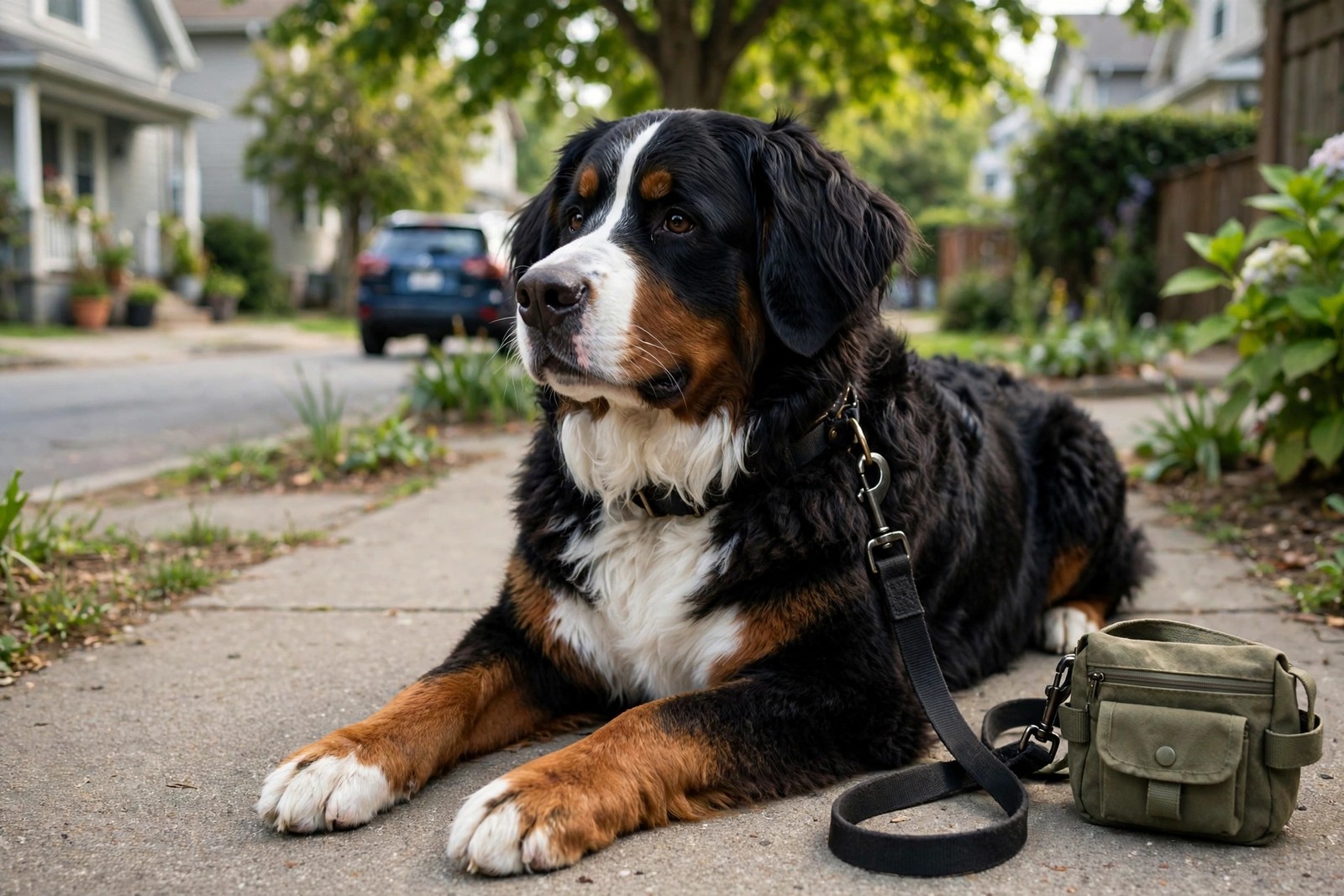
Open by asking the breeder for written hip and elbow scores covering both parents. From there, move to the conversation Bernese buyers cannot skip: how long relatives have lived, and what part cancer has played across the family lines, in a breed whose average life is painfully short. A careful breeder will discuss the ages and causes of death across the lineage honestly, show you health records without being pressed, and ask you as many questions as you ask them. Also ask about temperament, any autoimmune history in the lines, and what support the breeder offers for the dog's whole life.
What Actually Matters Here
With this breed, paperwork is only half the evidence. Ask the breeder to talk through grandparents as well as parents: how long they lived, what ended their lives, and whether cancer appeared repeatedly on one side of the family. A breeder who knows those answers in detail, keeps records across generations, and is candid about losses is showing you exactly the record-keeping a short-lived breed demands. One who waves the longevity question away, or cannot say how the parents' relatives fared, has told you something important too.
A Workable Routine
Work through these in order and give each one time to become routine before you judge it:
- Ask to see hip and elbow scoring results for both parents, in writing
- Ask for ages and causes of death across grandparents and earlier generations
- Ask directly which cancers have appeared in the lines, and how often
- Ask about autoimmune history and temperament in both parent lines
- Ask what lifetime support the breeder offers if problems emerge later
Take notes during the visit rather than trusting memory afterwards, because the details that matter here — a grandparent lost young, a pattern of one cancer — are precisely the ones that blur by the drive home.
Day to Day, Done Well
Keep the breeder's answers, scores and health records together from the day your puppy comes home, and add each vet finding as the dog grows, so the longevity picture you were promised can be checked against the life your dog actually lives. Add vaccination dates and any screening results for the puppy himself as they arrive, and keep the breeder's own contact details with the file so later questions have somewhere to go. That file also matters beyond your own household if the dog is ever rehomed as an adult. A Bernese profile passed on through Transferrable Profiles in KinsLe carries its records and routines to the new owner intact.