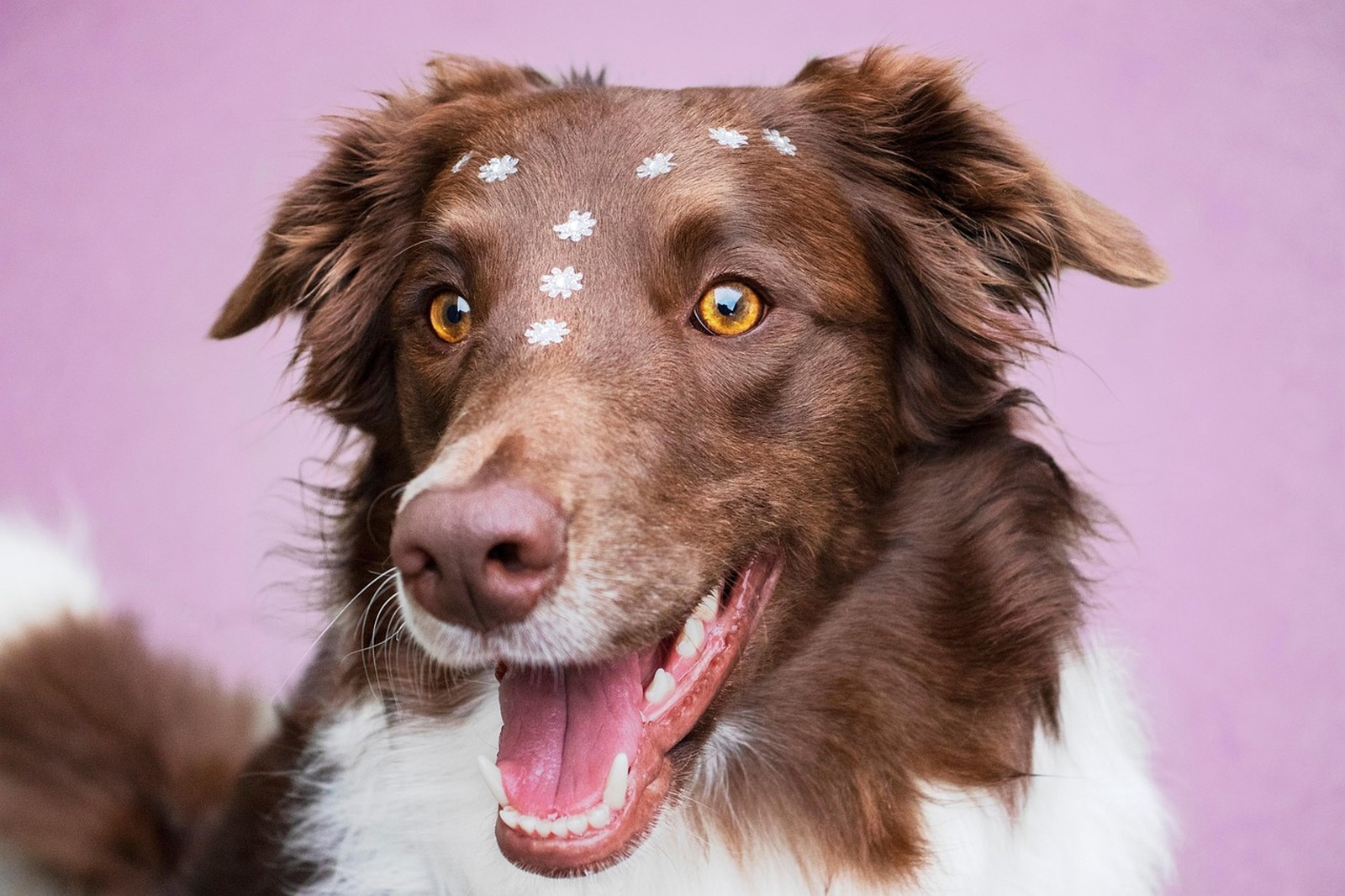
Few breeds match a Border Collie's athleticism, yet the breed carries a defined set of inherited risks worth knowing early. Hip dysplasia heads the list, joined by collie eye anomaly — the inherited eye defect puppies are born with — and by epilepsy. A mutation in the MDR1 gene matters just as much in daily life, leaving carriers reacting badly to many everyday medicines, and certain working lines also show collapse episodes after intense exertion. A puppy whose parents were hip-scored, eye-tested and DNA-screened starts out with much of that picture already mapped.
Watching a High-Drive Dog Honestly
The Border Collie challenge is that drive masks pain: a dog who will work through a sore hip needs you to watch gait, jumping, and recovery rather than enthusiasm. Note stiffness after rest, bunny-hopping at a gallop, or a dog who starts sitting out of activities they used to demand. MDR1 status matters at every vet visit and belongs in the dog's records, because it changes which medicines are safe in an emergency. Wobbliness, disorientation, or collapse after intense exercise in heat should stop the session immediately and earns a vet conversation before the next one. Eye changes in any Border Collie — cloudiness, vision loss, bumping into objects — deserve prompt checking.
Working With Your Vet
With a Border Collie, the detail your veterinarian needs most is honest observation of movement, because drive hides discomfort well. Note any stiffness after rest, a bunny-hopping gallop, or a dog quietly dropping out of favourite activities, and record the circumstances of any collapse — heat, duration, how recovery unfolded. Keep MDR1 status at the front of the file and mention it at every visit, since it shapes which medicines are safe during routine care and emergencies alike.
Contact a vet the same day for collapse, a first seizure, sudden vision change, or a limp that does not settle within a few days of rest.
Build the Collie's file around working life: scores and DNA results from the breeder, a dated note of each seizure or wobbly episode, and a simple log of hard training days beside any limping that followed. Review that log after changes in workload, age or medication, because a pattern spread over months — soreness always after hill work, say — tells your vet far more than a single appointment-day impression.
File screening results and episode notes in the Pet Passport on KinsLe, and whichever vet you see next meets a Collie whose risks are documented rather than described from memory.