
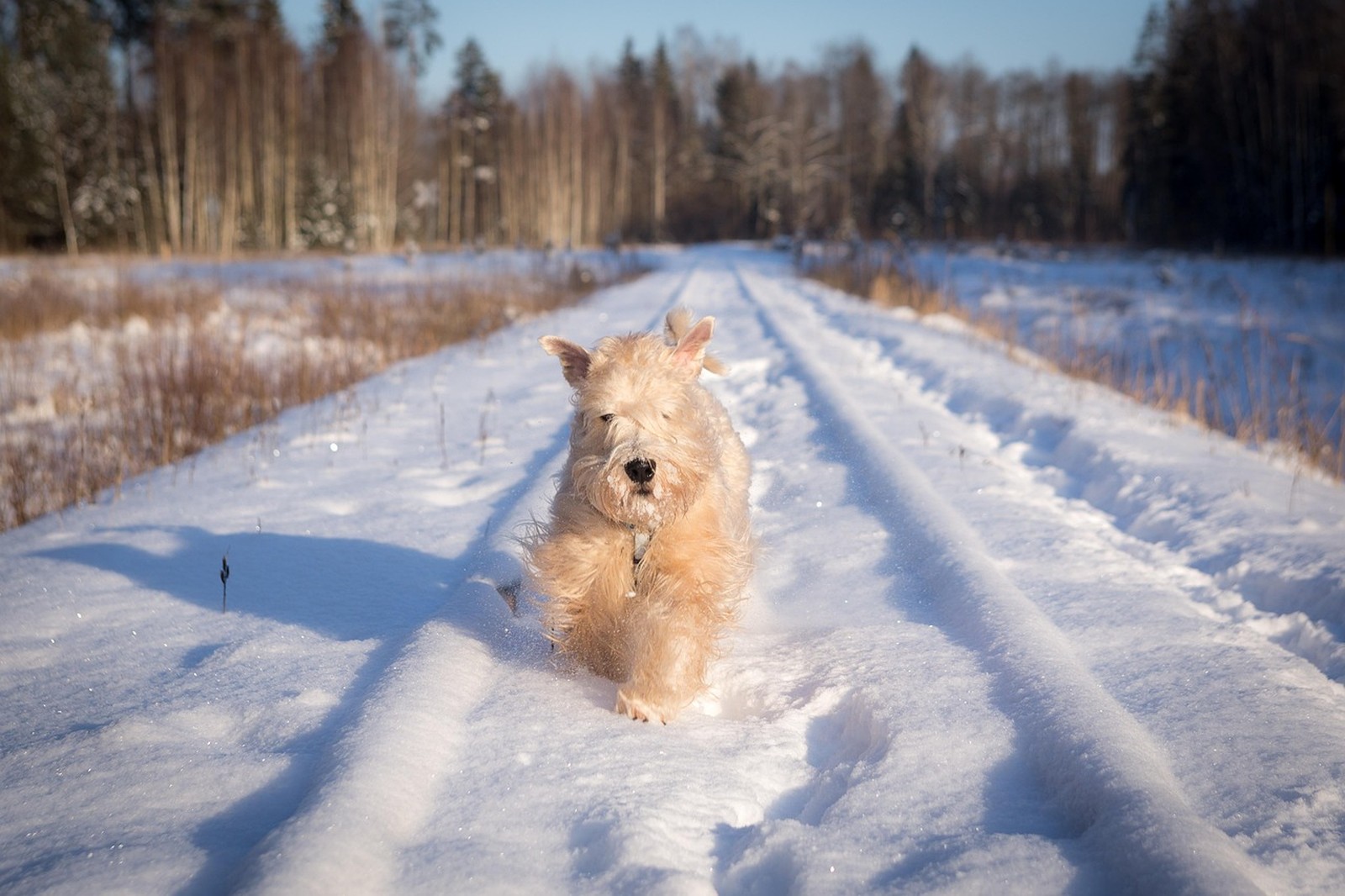
A tough little earth dog with small-dog vulnerabilities
Cairn Terriers, the scruffy working terriers of the Scottish cairns, are generally vigorous and long-lived, but their known problems cluster in predictable places: joints sized for a small frame, eyes that can accumulate vision-clouding pigment, a liver circulation fault that appears in puppies, and skin that reacts allergically. Kneecap luxation and Legg-Calve-Perthes disease account for most Cairn limping, while glaucoma is another eye risk worth knowing. None of these should overshadow the breed's fundamental hardiness; they simply tell an owner which changes deserve fast attention instead of a shrug.
Two different causes of a Cairn's hind-leg limp
A slipping kneecap announces itself theatrically: the dog skips, hops a few steps with a hind leg tucked up, then trots on normally once the cap pops back. Legg-Calve-Perthes is different in both mechanism and mood; the ball of the thigh bone loses its blood supply and deteriorates, typically in a young dog, producing a persistent, worsening limp, pain when the hip is moved, and sometimes a leg the dog guards and muscles poorly. The distinction matters because one is often monitored while the other needs active treatment, and only an examination with imaging can tell them apart. Any Cairn puppy or young adult with a hind limp lasting more than a few days should be seen, and you should note whether the limp comes and goes or steadily builds.
Eyes: pigment, pressure, and cloudiness
Cairns are associated with ocular melanosis, in which dark pigment gradually builds within the eye and can eventually interfere with fluid drainage, raising the risk of glaucoma. Because early pigment change causes no pain or visible behavior change, it is found by examination, which is a good argument for periodic eye checks in adult Cairns even when vision seems perfect. Glaucoma itself is an emergency in slow motion: a red, painful, cloudy eye, a dilated pupil, or sudden vision loss needs same-day care. Cataracts may also appear with age, seen as a bluish lens and increasing caution on stairs or in dim rooms.
The puppy problem: portosystemic liver shunt
Some Cairn puppies are born with an abnormal vessel that routes blood around the liver instead of through it, leaving toxins the liver should process circulating in the body. Signs tend to be neurological and digestive together: a puppy who grows slowly despite eating, drools, stares blankly, walks unsteadily or seems disoriented especially after meals, or has urinary trouble. That cluster in a young Cairn should never be filed under puppy oddness; blood testing can investigate liver function and bile acids, and early diagnosis dramatically improves the options. Keep puppy blood results and any specialist findings permanently, since a shunt history shapes anesthesia and diet decisions for years.
Skin and the Cairn's general upkeep
Allergic skin disease in Cairns typically means itchy feet, a scratched belly, and ears that flare repeatedly, worse in some seasons than others. Note the timing of flares and what your dog has been walking through, since a Cairn's job description involves shoving its whole head into interesting holes in the ground, exposing skin to every irritant the garden offers. Recording flare patterns, eye findings, and gait episodes in KinsLe's Pet Passport gives your Cairn Terrier a compact, continuous history that helps any vet separate this breed's known quirks from something genuinely new.