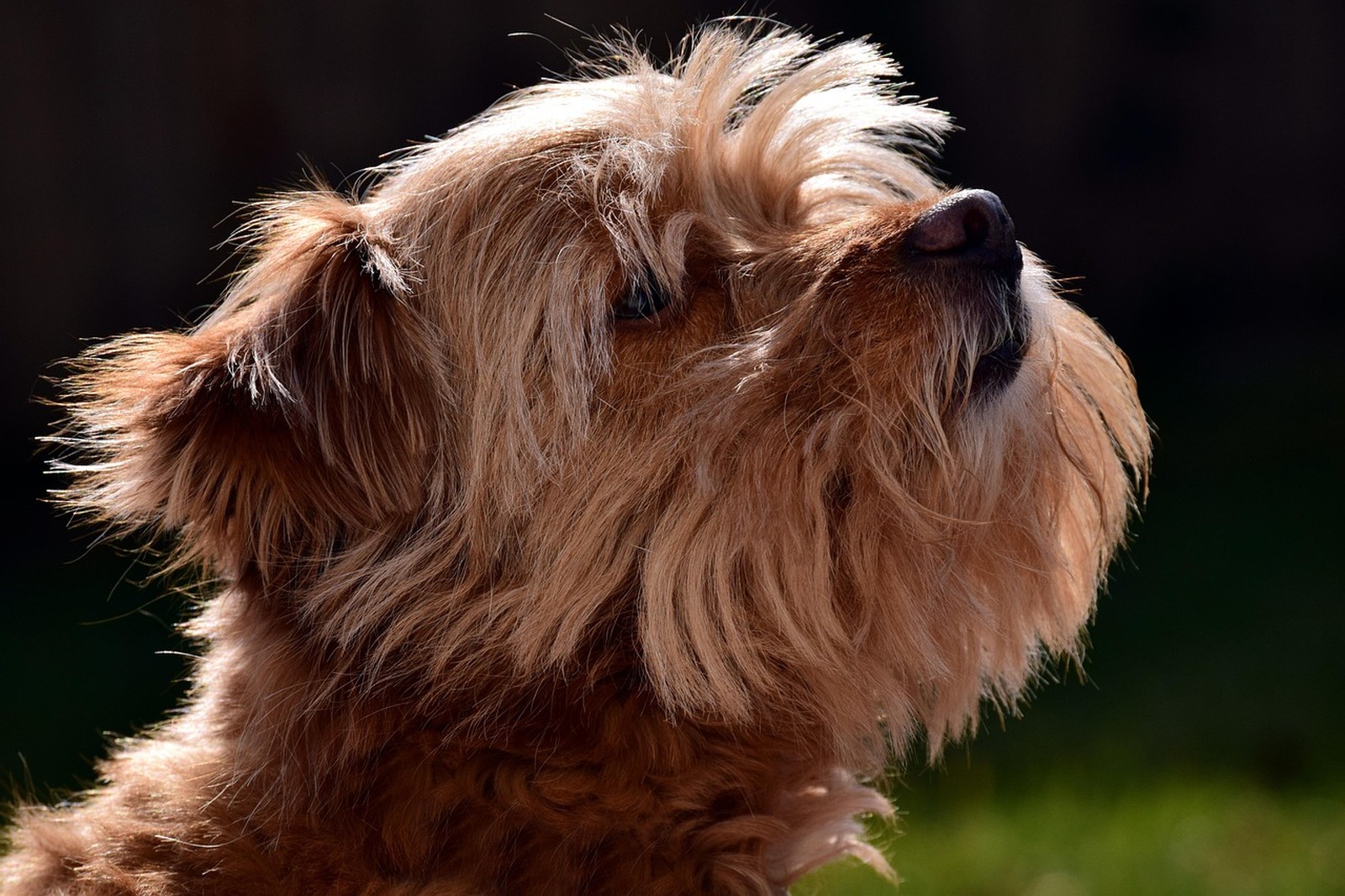
Three Inherited Conditions Define This Breed's List
Despite the name, the Tibetan Terrier is not a terrier, but its health list is terrier-like in its focus on the eyes, plus one condition of the nervous system. Primary lens luxation is an inherited fault in the fibres suspending the lens, which can let the lens slip and trigger a painful, pressure-damaged eye. Progressive retinal atrophy is a gradual degeneration of the retina that typically erodes night vision first. Neuronal ceroid lipofuscinosis, often shortened to NCL, is the heaviest entry: a group of inherited storage disorders in which waste material builds up in nerve and other cells, leading over time to changes that can include vision loss, behaviour and personality shifts, unsteady movement, and seizures, usually emerging in young to middle-aged adults. The hopeful fact is that DNA tests exist for these conditions in this breed, so responsible breeding can avoid producing affected puppies.
Eyes: One Slow Problem, One Sudden One
Owners should hold two very different eye pictures in mind. The slow one is failing night vision: a Tibetan Terrier who hesitates at the top of dark stairs, picks his way carefully on dusk walks, or startles at objects in shadow may be showing early retinal change, and an eye examination can confirm what behaviour suggests. The sudden one is lens luxation: a red, watery, cloudy eye, obvious pain, squinting, or pawing at the face is a same-day emergency, because pressure inside the eye can rise quickly and cost vision. Do not wait to see whether a painful eye settles. Routine eye examinations matter in this breed even between dramas, and any breeder puppy should come with parents' eye and DNA results as a matter of course.
Joints, Kneecaps, and Thyroid in a Sturdy Frame
The rest of the Tibetan Terrier's list is more ordinary but still worth knowing. Hip dysplasia can develop in this medium, squarely built dog, showing as stiffness after rest or a reluctance to jump he once managed easily. Patellar luxation, a kneecap that slips out of its groove, often announces itself as a brief skip or hop in a back leg mid-walk, the dog carrying the leg for a few steps then using it again as if nothing happened; repeated skipping deserves an examination and a grading, not just amusement at the funny gait. Hypothyroidism also appears, with weight gain, tiredness, and coat change under all that hair as the clues, sorted out by blood tests. Keeping this cheerful dog lean lightens both hips and kneecaps at once.
Tests on Paper, Signs at Home
Living with this breed means pairing paperwork with observation: file the DNA and eye results a breeder provides, schedule the eye checks the breed warrants, and watch at home for night hesitation, skipping steps, behaviour change, or unsteadiness, reporting clusters of change rather than single odd days. Behaviour shifts, loss of learned habits, or new clumsiness in an adult Tibetan Terrier should be raised promptly, because in this breed they can be early threads of the nervous-system condition rather than stubbornness or ageing. Sudden eye pain is the one true emergency on the list and goes in the same day. Assembled in KinsLe's Pet Passport, a Tibetan Terrier's DNA certificates, eye reports, and thyroid results stay as one portable packet for any veterinarian who needs the breed's full background.