
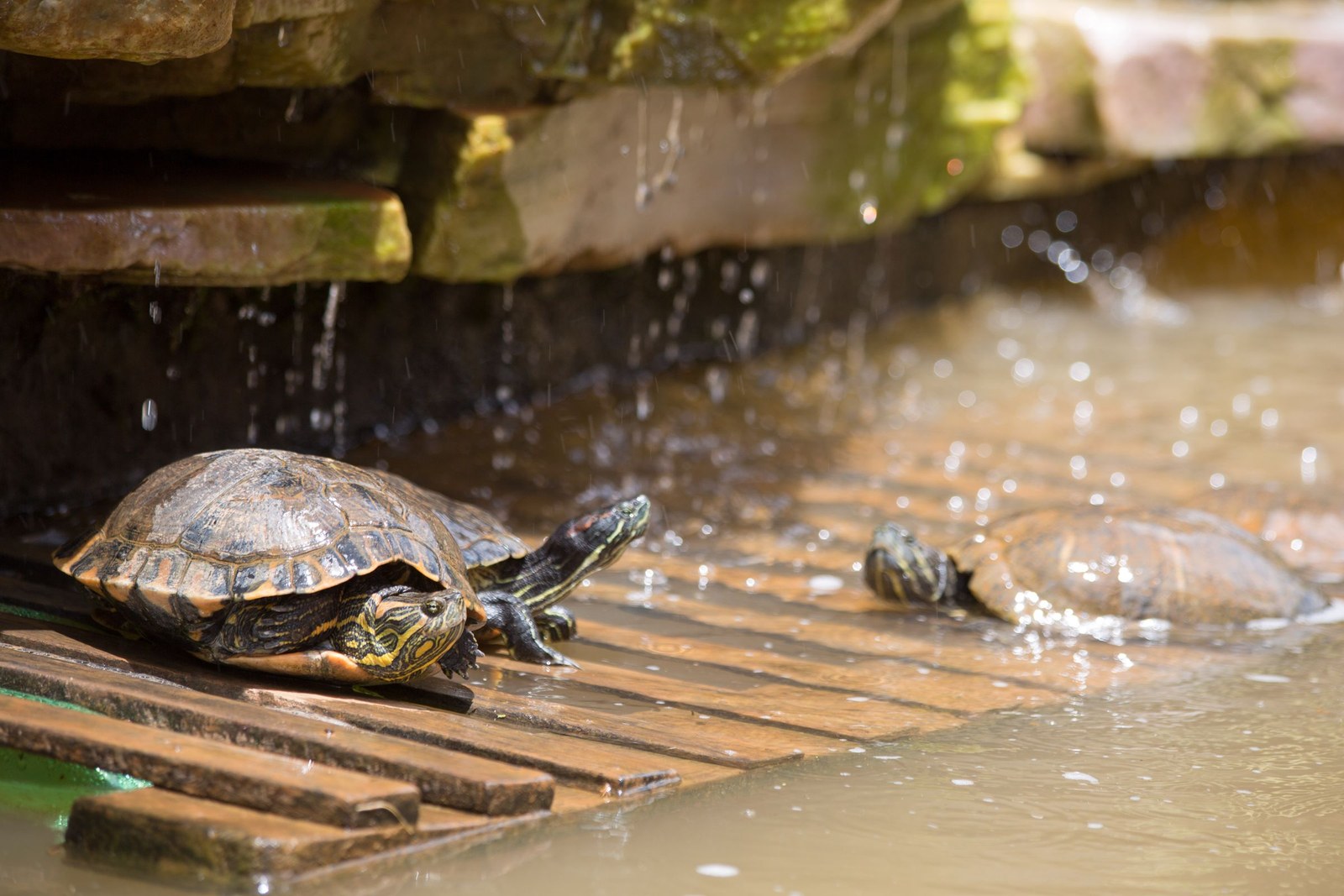
Plenty of human foods are unsafe for turtles and frogs, and the risky list is broader than most owners expect. Seasoned, cooked, or processed foods, citrus in quantity, avocado, and anything containing salt, spices, or sweeteners should all stay off the menu. Frogs face an extra hazard: they absorb substances through their skin, so even safe-looking food handled with lotioned or soapy hands can harm them. When in doubt, leave it out.
Why Human Food Does Not Translate
Your dinner is seasoned, salted, cooked in oils, and portioned for a mammal with a very different gut. A turtle offered spicy leftovers or processed meat gets a load of salt and fat its kidneys are not designed for. Cooked vegetables lose the structure and some of the nutrition raw ones offer, while sauces add sugar and spices. Even plain foods can mislead — citrus in quantity irritates, avocado contains compounds unsafe for many animals, and sweeteners such as xylitol are dangerous around pets generally.
The Frog Problem: Skin That Absorbs
Frogs breathe and take in water partly through their skin, which makes them living sponges for whatever they touch. Residue from hand lotion, soap, sunscreen, or insect repellent on your hands can transfer to a frog during handling or feeding. The same applies to food that has sat on a seasoned cutting board or been rinsed in treated water. Practical habits help enormously:
- Handle frogs and their food with clean, wet, unpowdered-gloved or freshly rinsed hands.
- Prepare frog food on its own clean surface, away from cooking spices and oils.
- Never offer a frog anything cooked, salted, or marinated — ever.
Safer Ways to Offer Variety
Turtles do well on species-appropriate staples: aquatic turtles on quality pellets, leafy greens, and feeder foods matched to their age; tortoises on weeds and greens. Frogs thrive on live feeder insects, properly dusted. If you want to offer a treat from the kitchen, stick to plain, washed, raw items already known to suit the species — a sliver of strawberry for a red-footed tortoise, for example — rather than experimenting with leftovers.
Watch for Trouble After a Bad Meal
Loss of appetite, unusual lethargy, swollen or closed eyes in turtles, or a frog sitting out of its water dish looking dull can all follow exposure to the wrong food or chemicals. These signs are not a diagnosis, and home remedies can waste precious time. Contact a veterinarian who treats reptiles and amphibians, and tell them exactly what was eaten or touched and when.
Checking Before You Feed, With KinsLe
The safest moment to ask "can he eat this?" is before it goes in the enclosure — and the people best placed to answer are the ones who know your pet. KinsLe Messenger is the per-pet communications hub for your turtle or frog, keeping every conversation about that one pet in a single thread your care circle can see. Snap the question to the group, get a second opinion from the people who know your animal, and the answer stays attached to the pet it concerns. Before offering something new, drop the question into a KinsLe Messenger thread on KinsLe, where the people who know your turtle or frog can weigh in first.