
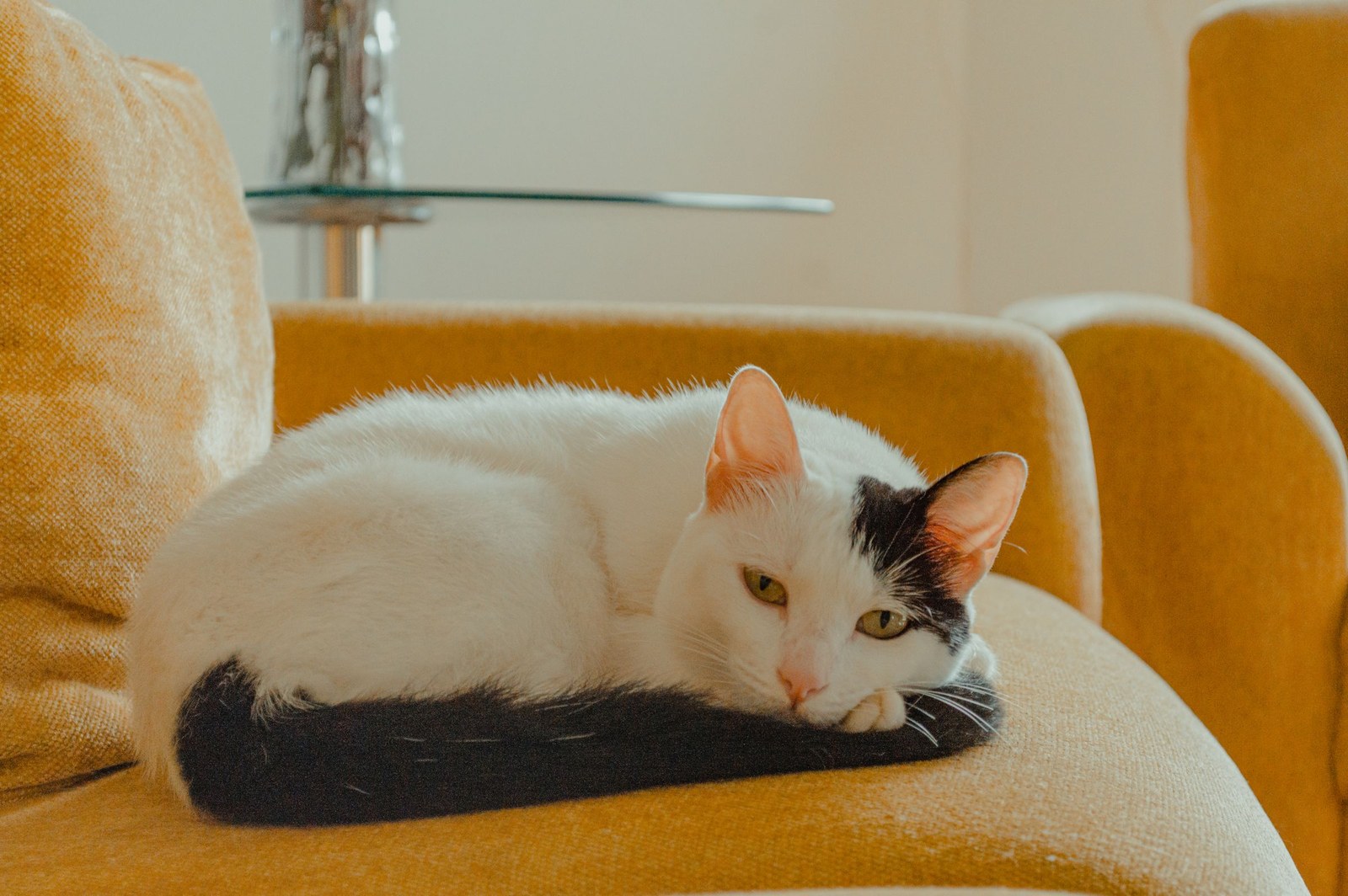
The difference is mainly where the cats live and who cares for them day to day. Shelters keep cats on site in a facility you visit, rescues place them with volunteer carers in private homes, and a foster home is one of those homes — a household where a carer can tell you exactly how a cat behaves in ordinary life. All three routes can lead to a wonderful cat; they simply give you different information and a different adoption experience.
Adopting from a shelter
Shelters — municipal facilities and large charities — take in strays, surrenders, and transfers, and keep cats on-site in pens or communal rooms. Visiting lets you meet several cats in one trip and compare personalities, and staff who feed and clean for those cats daily can tell you a lot about each one. Adoption processes are often quicker, sometimes same-day, and fees typically contribute to neutering, vaccinations, and microchipping already done.
The trade-offs are real, though. A shelter is a stressful, noisy environment, and the cat you meet there may be a muted or wound-up version of herself — the shy one hiding at the back of the pen may blossom at home, while the cat performing at the front may be calmer than she appears. You may also learn less about home behaviour, simply because nobody has seen her in a home yet.
Adopting through a rescue
Rescues are usually volunteer-run organisations without a central facility. Their cats live in foster homes spread across the area, so meetings happen by arrangement in someone's house. Applications, home checks, and matching conversations tend to be more detailed — a good rescue is trying to place each cat in the right home, not just any home, and will ask about your other pets, children, work hours, and experience.
That slower pace buys you knowledge and support. Rescues often take back a cat if a match truly fails, and many stay available for advice after adoption. Waiting lists and stricter criteria can frustrate some adopters, but the same thoroughness is what makes rescue matches stick.
The foster home benefit
Whether a cat comes via a rescue or a shelter's foster programme, a foster carer offers something no facility can: a diary of ordinary life. They can tell you whether she uses the litter tray reliably, hides from visitors or greets them, tolerates the resident dog, sleeps on the bed or under it, and whether she is a dawn chorus singer or a silent shadow. For first-time owners, nervous adopters, or homes with other animals, that detail dramatically reduces surprises.
Ask foster carers direct questions — what is she like at 2 a.m.? What spooks her? What does she love? Their answers are the closest thing adoption has to a test drive.
Questions to ask on any route
- What is known of her history, and why was she surrendered or found?
- What health checks, vaccinations, neutering, and flea and worm treatments has she had?
- Has she lived with children, dogs, or other cats?
- What support exists if the match does not work out, and is there a return policy?
- What food is she eating, so you can transition gradually?
Settling her in — and finding your people
Whichever route brings your cat home, the first weeks follow the same pattern: one quiet room, familiar food, patience, and letting her set the pace. You can start her first pet profile free on KinsLe, and the Circle of Love connects you with other pet lovers — the same free community network that powers Lost Pet Alerts, which are free in every profile, show on the map, and let a finder message the owner directly if a pet ever goes missing. Circle of Love on KinsLe is where fellow adopters swap lived settling-in stories — which cat hid for a week, which one claimed the bed on night one — so a new home learns from real households rather than guesswork.