
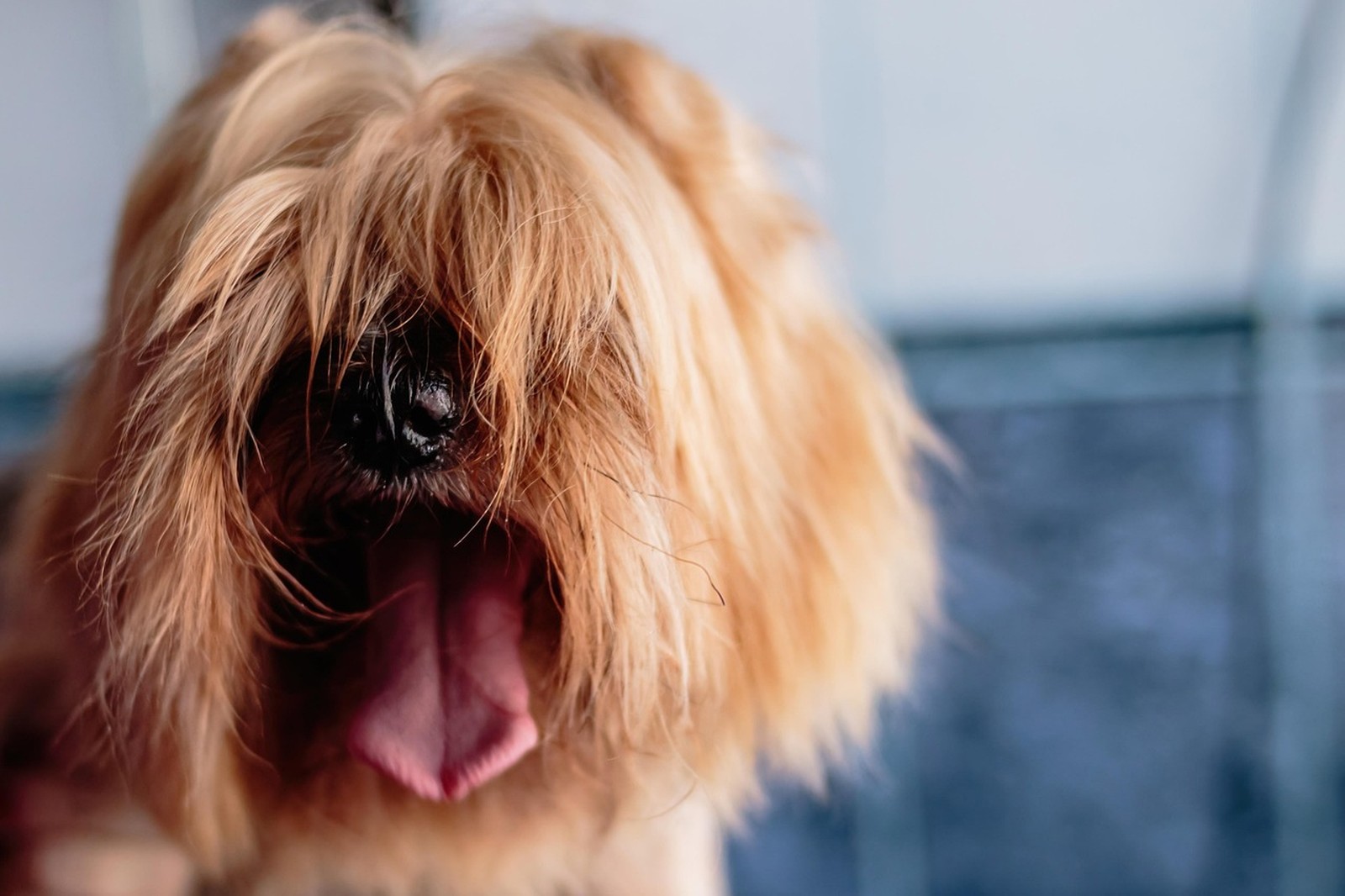
The Briard family tree and registration packet
A Briard is a substantial French herding dog with a long memory and a longer coat, bred for centuries to guard and move sheep. The paperwork from a careful breeder should open with registration papers or the application form and a family tree that traces the sire and dam across several generations. Read it for working and show background alike: Briard lines may carry herding titles, conformation titles, or both, and that mix helps explain the confident, thinking dog your puppy will become.
The written contract should name both parents as they appear on the family tree and on their health certificates. Because Briards remain relatively uncommon, breeders keep close track of lines, and a name that does not match across documents can stall registration or confuse a future health question. Check the details at pickup, including the puppy's color and markings as recorded, since Briard coat colors are described in specific terms that should agree across the file.
Health screening copies and the puppy vet record
Request copies of both parents' health screening results. Briard breeders who breed deliberately screen for the concerns the breed community tracks — hips and eyes among them — and keep certificates they are accustomed to sharing. If a sire lives overseas or was used from another kennel, his screening may arrive as copies from that kennel's scheme; file them anyway, with a note of where they came from, rather than accepting a verbal summary.
The puppy's vet record should list examinations, vaccinations, and deworming with dates and practice details, ending with a pre-homing check. Add the breeder's feeding note and a short weight history. Briard puppies grow into powerful adults, and steady, recorded growth gives your veterinarian something solid to assess. If the breeder has been watching anything in particular — a sensitive stomach during weaning, for instance — that observation should be written down, not mentioned in passing at the door.
Coat, temperament, and microchip notes worth keeping
Few breeds make the breeder's early handling notes as valuable as the Briard. That abundant double coat will need regular grooming for life, and puppies whose breeders started brushing, table time, and paw handling early settle into the routine far better. Ask what has been done and how the puppy responded, and keep the note where your groomer can read it. Socialization notes matter just as much for a breed that is naturally watchful: record which people, places, and livestock or city sights the puppy has already met.
The microchip certificate completes the identity set. Verify the number against the vet record, keep the transfer form, and update the database with your details immediately. A Briard is a devoted dog unlikely to wander far from its people, but records should never rely on a dog's intentions.
Building a file that keeps pace with a big, hairy herder
At home, file the permanent papers — family tree, registration, contract, screening copies — separately from the growing record of vet visits, weights, and grooming milestones. The grooming log will become useful: note coat changes as the puppy coat gives way to the adult double coat, any skin sensitivities your vet observes, and the brushing rhythm that keeps the coat mat-free, so a new groomer can pick up the pattern without a painful session of guesswork.
Scan the whole set and share the health portion with your veterinarian at the first appointment, so their file begins with the parents' screening and the breeder's notes included. Should the dog ever be shown, worked, or rehomed, that complete history travels with him. With KinsLe, Pet Passport keeps a Briard's family tree, screening copies, chip details, grooming notes, and visit records in one portable packet, ready for the vet, the groomer, or the herding field.