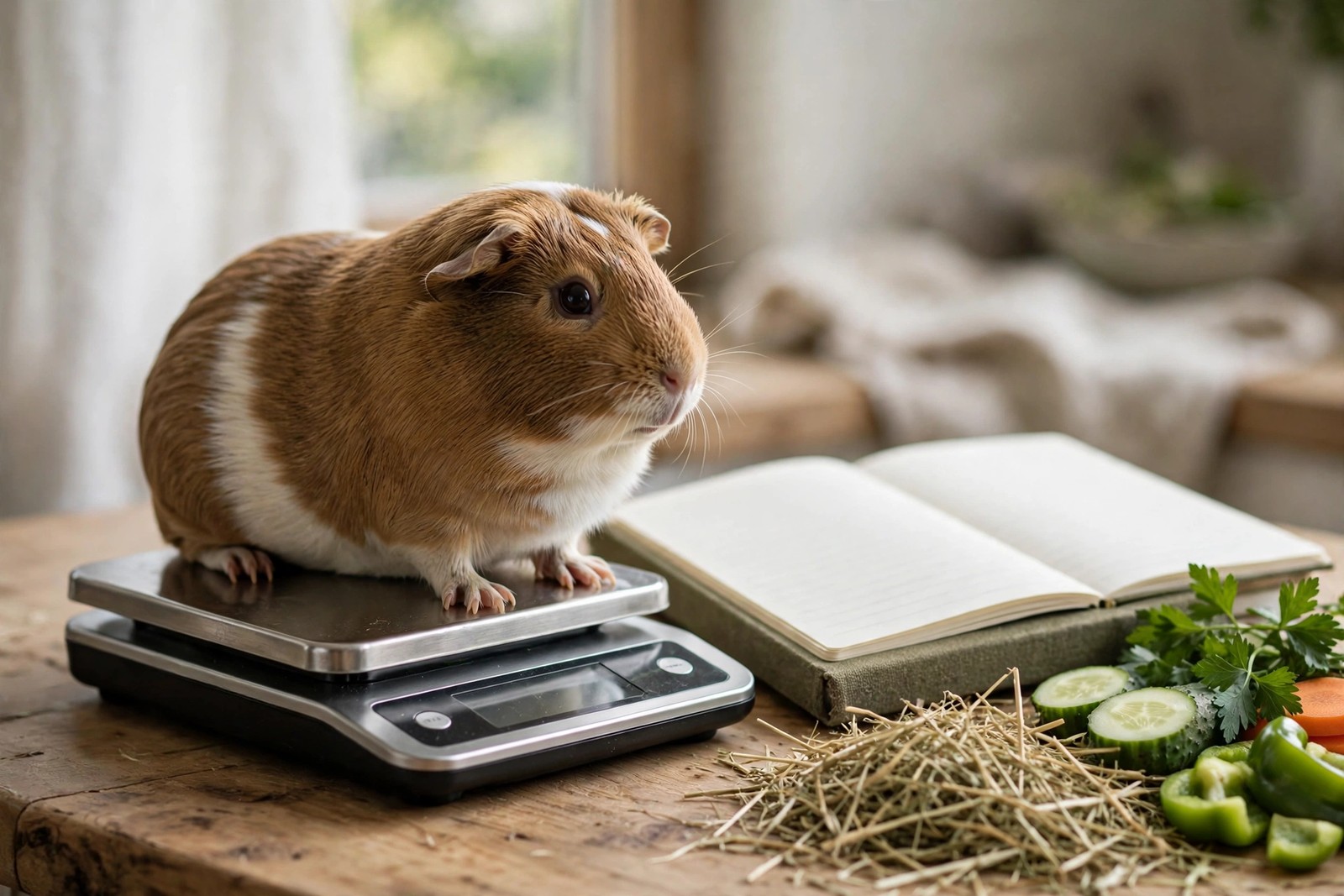
Keep a compact file for each small pet covering identity and daily life. Small mammals change quickly and hide illness well, so a short written baseline is often the first thing that reveals a problem: a rabbit eating less hay, a guinea pig whose weight is drifting down, or a hamster who has stopped using a wheel he used nightly. General categories borrowed from dog records do not capture those details.
Identity, arrival and background
Record species, breed or variety, colour and markings, sex, and age if known, or the arrival date and your best estimate if it is not. Note where he came from, the date he arrived, what diet he was on at arrival, and any health or behaviour information the previous keeper shared. Add a clear recent photograph in natural light, and update it as a young animal grows or a coat changes.
If several similar animals live together, this section earns its keep. Write which markings, ear shape, size or habits distinguish each individual, because a sitter or vet should not have to guess which guinea pig lost weight or which gerbil was the one who was treated.
Diet, enclosure and routine
Write the exact everyday diet: hay type where hay is central, pellet type and measured amount, vegetables or fresh foods offered and how often, treats and their limits, and foods that must never be offered to that species. Note water method, bottle or bowl, and any quirk such as an animal who drinks reliably from only one of them.
Record the enclosure as set up now: size, bedding, hideaways, wheel size where one is used, dust bath or digging provision where the species needs it, temperature concerns, cleaning routine and products you avoid around the animal. When you change a diet item, bedding or enclosure layout, date the change in the file; later appetite or behaviour notes then have a timeline to be read against.
Weight, health and behaviour logs
Weigh regularly on the same scales, at a similar time of day, and log the reading with its date. For many small pets a steady downward trend matters more than any single reading, and your vet will make better use of six dated weights than of a worried memory that he feels lighter. Log appetite, droppings, water intake where you can judge it, activity, coat, teeth concerns you notice while handling, breathing sounds, and any episode of not eating, because in rabbits and guinea pigs a reduced appetite is urgent and needs prompt veterinary advice.
Keep vet visits in date order: practice name, reason for the visit, what was found, any care your vet prescribed, and when to return if your vet said so. Note whether the practice treats that species regularly and keep its number with your emergency contacts, since not every practice has the same experience with every small mammal.
People, handling and handoffs
Finish with behaviour and handling notes written for another person: how he likes to be picked up, where he prefers not to be touched, signs that he wants to be put down, whether he is bonded to a companion who must stay with him, and routines that settle him at night. Add your emergency contact, a named backup keeper, and instructions for who may authorise vet care if you cannot be reached.
Review the file whenever diet, housing, companions or health change, and share the current version with any sitter before a handover rather than relying on an old printout.
With KinsLe's Pet Passport, that identity, diet, weight and handling record stays together in one portable packet for your small pet, so a vet visit, a boarding stay or a sitter handoff starts from the same facts.