
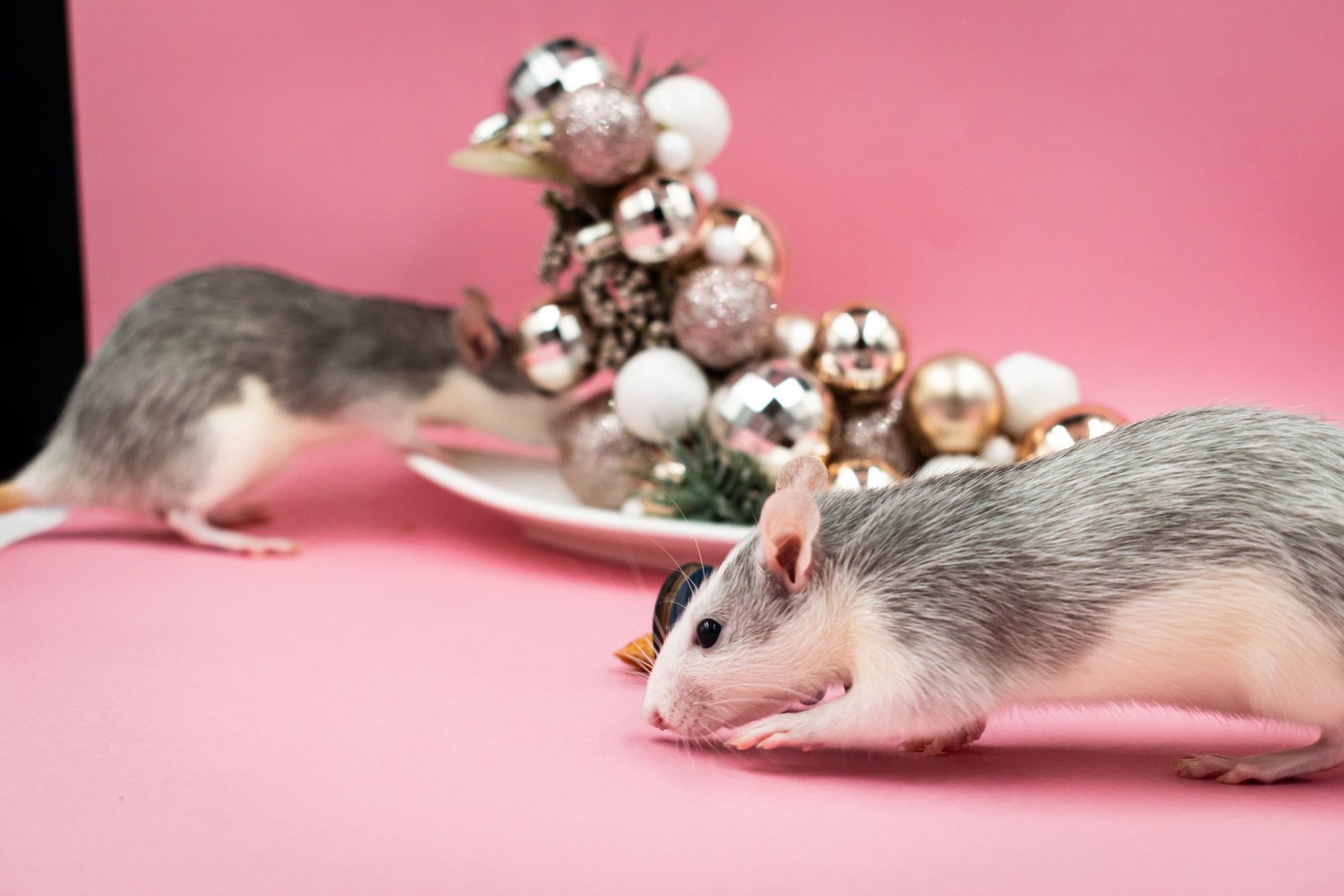
The best way to build trust with new pet rats is to combine food, scent, and choice: hand-feed soft treats, let them climb onto you voluntarily in a safe playpen, wear a hoodie or use a bonding pouch so your scent comes to mean safety, and spend time near them every day. Rats are social, intelligent, and highly food-motivated, which makes them some of the quickest small pets to bond with — as long as nobody chases or grabs them.
Let Them Settle, Then Be Around a Lot
Give new rats a day or so to explore their cage, eat, and learn the room's sounds before asking anything of them. Then simply be present: read beside the cage, talk to them, and rest your hand still inside the cage doorway so they can investigate it, sniff, and retreat freely. Rats learn people the way they learn everything — by exploring. A rat who climbs your sleeve out of curiosity has made a decision no amount of scooping could manufacture, and chosen contact sticks far better than forced cuddles.
Hand-Feeding: The Fastest Trust Currency
Soft, lickable treats are rat gold. A smear of mashed banana or plain baby food on a fingertip — or a spoon first, if teeth are enthusiastic — teaches a rat to stay close to your hand and lick rather than snatch and run. Pea-sized pieces of cooked egg, peas, or a little cooked pasta work too. Short, frequent sessions beat occasional marathons: ten minutes twice a day quickly adds up to a rat who hears your voice and comes to the bars. Let shyer rats take treats through the bars first, then graduate to an open door.
Hoodies, Bonding Pouches, and Playpens
Rats adore enclosed, warm, scent-rich spaces, which is why a hoodie worn backwards, a hood, or a bonding pouch is such a powerful tool: pop a rat in, go about gentle activities, and they absorb your heartbeat, warmth, and smell as the definition of safety. A rat-safe playpen — a bathroom with the door shut and hazards removed, or a fenced area — lets them climb over you by choice during free roam. Scatter a few treats in your lap and read a book; you become furniture, then a friend.
Handling With Confidence, Not Chasing
When you do pick a rat up, scoop with both hands under the body, smoothly and confidently. Hesitant grabs and cage-corner chases teach rats that hands are stressful, and a rat who expects a chase will rehearse running. Support the whole body, keep early holds brief and close to your chest, and return them to the cage before they struggle, finishing with a treat so the memory ends well. Most rats, handled this way daily, are happily riding shoulders within a few weeks.
One Calm Approach From Everyone, With Family Sharing
Rats get mixed signals when one person scoops confidently and another grabs or taps the cage. KinsLe's Family Sharing creates a per-pet care circle with roles, so everyone involved in your rats' care can see the same handling notes, treat list, and trust-building stage. The shy rat's "spoon treats only" note and the bold rat's "shoulder rides approved" status live in one shared place, and progress stays consistent whoever is on duty. Consistency is what turns daily handling into deep trust. Through the Family Sharing view on KinsLe, each handler can read the spoon-first note for the shy rat and the shoulder-ride note for the bold one before reaching into the cage.