
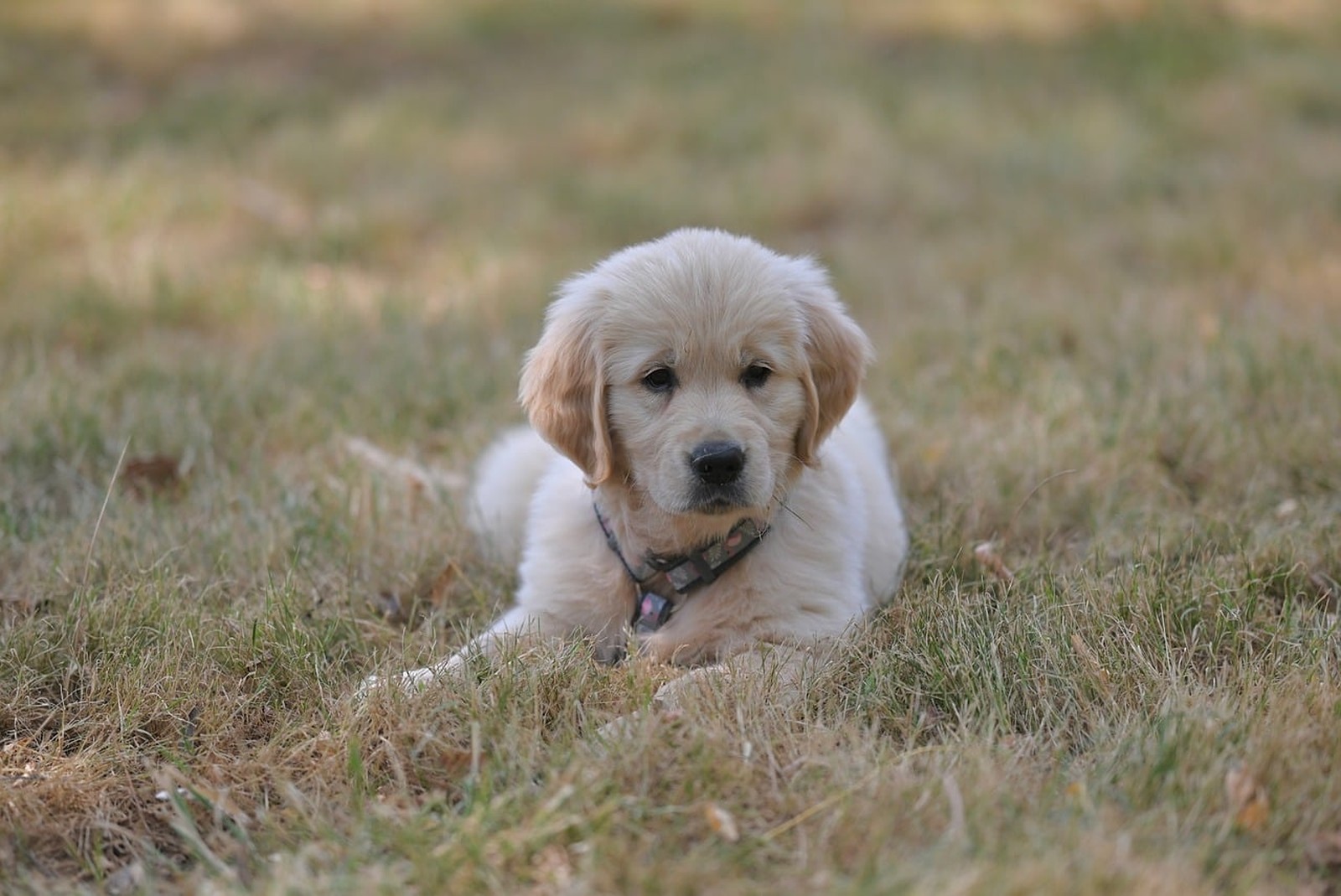
A first meeting is exciting enough to override judgement, which is exactly why a checklist helps. You are not performing a veterinary examination; you are gathering simple, visible evidence about this puppy's health, temperament and upbringing, and about the person who produced it.
Start with the puppy in front of you
Hold the puppy gently and work through what your senses can honestly judge. Eyes should be clear and bright without heavy discharge, ears clean-smelling inside, and the coat free of sores, bald patches and the gritty black specks that suggest fleas. Run a hand over the ribs: you should feel them under a light covering, neither sharp bones nor a tight, bloated belly, since a pot-bellied puppy can simply be well fed but can also carry a heavy worm burden worth asking about. Watch the puppy walk and play for a few minutes, looking for free, even movement rather than limping, bunny-hopping or reluctance to bear weight, and listen for persistent coughing or laboured breathing at rest. A puppy that has just woken up will be sleepy, so judge energy across the visit, not in the first minute.
Read temperament through behaviour, not cuddles
A puppy that falls asleep in your arms is not necessarily the calm one; it may simply be tired. Watch the litter loose on the floor instead. Look for a puppy that explores, approaches novelty, plays with littermates and recovers within moments after a small surprise such as a dropped set of keys. Be thoughtful about extremes: the puppy that relentlessly climbs over and mouths everyone may grow into a demanding adolescent, and the puppy that hides persistently and avoids contact may need a very experienced, patient home. Most buyers do best with the middle puppy, and a good breeder who has watched the litter for weeks can point you to it if you describe your household honestly.
Meet the mother and read the room
Insist on seeing the mother with her puppies, in the space where they live. She should look in good condition, be comfortable with her breeder and be at most sensibly protective rather than frantic or aggressive with visitors, because her temperament and treatment preview your puppy's start in life. Then read the environment itself: clean bedding, water available, toys and varied objects to climb on and investigate, and a toilet area the puppies are learning to use. Puppies raised in a bare, dirty pen or a shed far from household life arrive with social gaps that no amount of later training fully erases, and a seller who meets you away from where the puppies live, or offers to bring a puppy to a car park, is withholding the most important evidence you came for.
Cross-check the paperwork against the puppies
Ask which vet checks and vaccinations the litter has had, what parasite treatments are recorded, and whether the puppy you are holding is microchipped or will be before handover. Compare what is said with the records you are shown, and note the puppy's identifying marks so you know the dog you met is the dog you collect. Discrepancies between the story and the documents, or a reluctance to let your own vet check the puppy soon after purchase, deserve weight. Also ask what the puppy is eating and take the details down, because the first week's feeding plan starts here, not at the pet shop on the way home.
Leave room for a second decision
Unless everything aligns, give yourself permission to sleep on it. A seller pressing for a deposit on the spot, discouraging a second visit or refusing to let you see the whole litter is telling you how the rest of the transaction will feel. The right breeder expects you to compare, think and return with questions, and the right puppy will still be the right puppy tomorrow. Take your observations home and store them in KinsLe's Pet Passport alongside the litter's vet records and feeding notes, so the puppy you choose arrives with its earliest history already organised in one place.