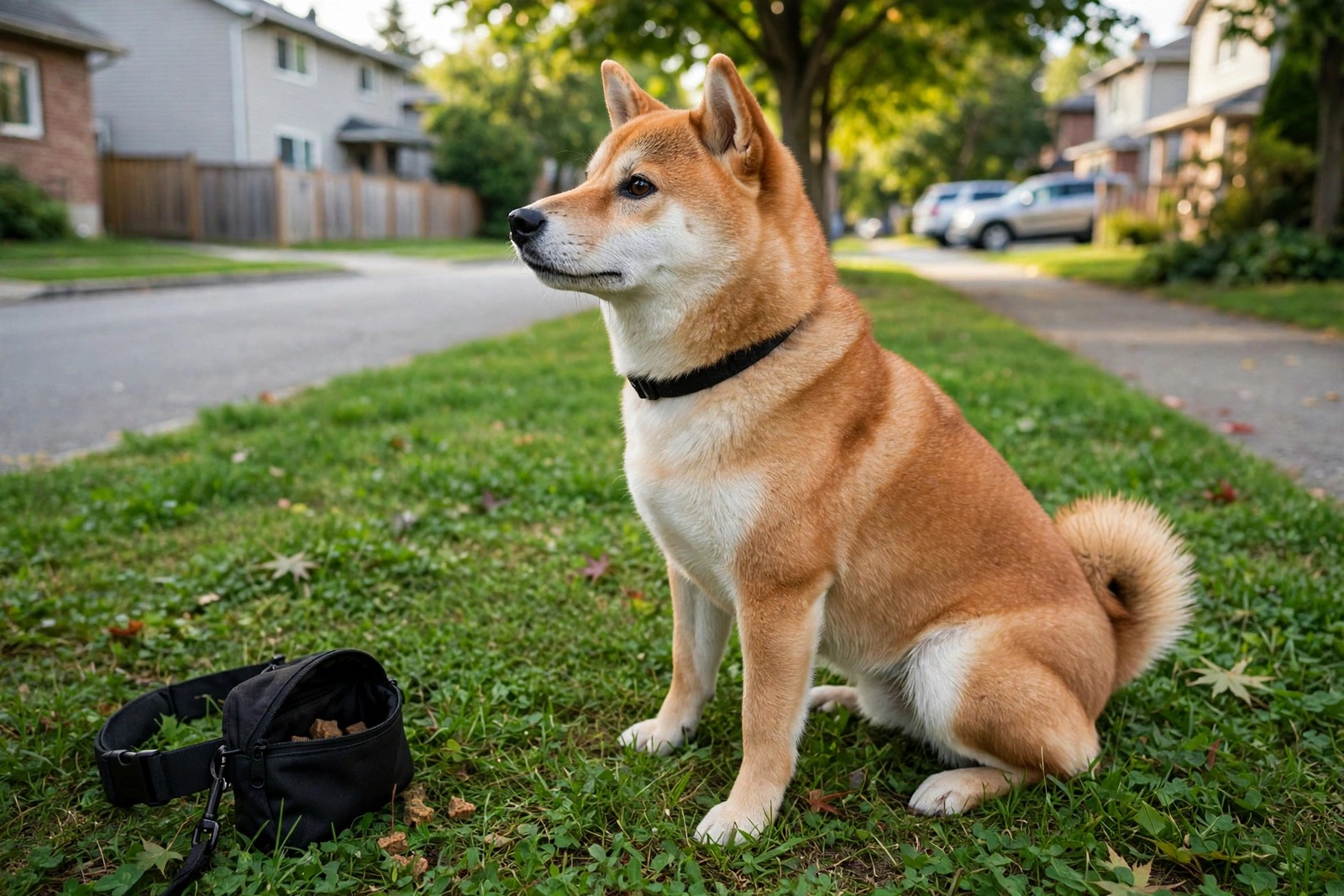
Ask Shiba owners about recall and the same story surfaces: the dog understands the cue, considers it, and sometimes decides the interesting smell wins. That independence is a breed trait rather than disobedience, and it shapes every safe choice about off-lead exercise — freedom belongs in enclosed places until a particular dog has proved, repeatedly and around distractions, that returning is a habit rather than a hope.
Why Shibas Blow Off a Recall
Shibas were bred to work at a distance from the hunter, thinking for themselves in rough country, and that self-reliance never really left the breed. They are also quick to learn the consequences of returning: if coming back reliably ends the fun, earns a lead clip, and produces an ordinary treat, the bargain looks poor from the dog's side. Add a strong prey drive and a low tolerance for repetition, and drilling the same recall exercise in the same garden quickly teaches a Shiba exactly when listening is optional. Owners who succeed tend to make returning spectacularly worthwhile and to protect the cue, using it only when they can back it up.
Safe Freedom While Training Continues
Build exercise around containment first:
- Use a long line on a harness in open spaces, so your Shiba can range and sniff while you keep a safety connection
- Book enclosed dog fields when you want genuine free running without road or livestock risk
- Practise recalls in short, highly rewarded bursts, then release the dog back to play so returning does not end the fun
- Keep gates, fences, and doors double-checked at home, because an opportunistic Shiba will test all three
- Stay on a lead near roads, livestock, and wildlife, however reliable training felt last week
Progress is measured in distractions handled, not repetitions completed. A Shiba who returns from a quiet field still needs proofing around other dogs, birds, and joggers before the line comes off anywhere unfenced, and many owners sensibly never remove it in open country at all.
Living With the Trait Day to Day
A secure garden, a harness that fits a deep-chested escape artist, and a household rule that doors are closed before the front gate opens will prevent more losses than any training aid. Adolescence is the danger season: a young Shiba who was glued to you at four months may start ranging at eight, so tighten management just as confidence makes you want to relax it. Should your Shiba's care ever pass to a new home, the Transferrable Profiles option on KinsLe carries the profile across with routines and health records preserved, meaning hard-won recall notes reach the next owner intact.