
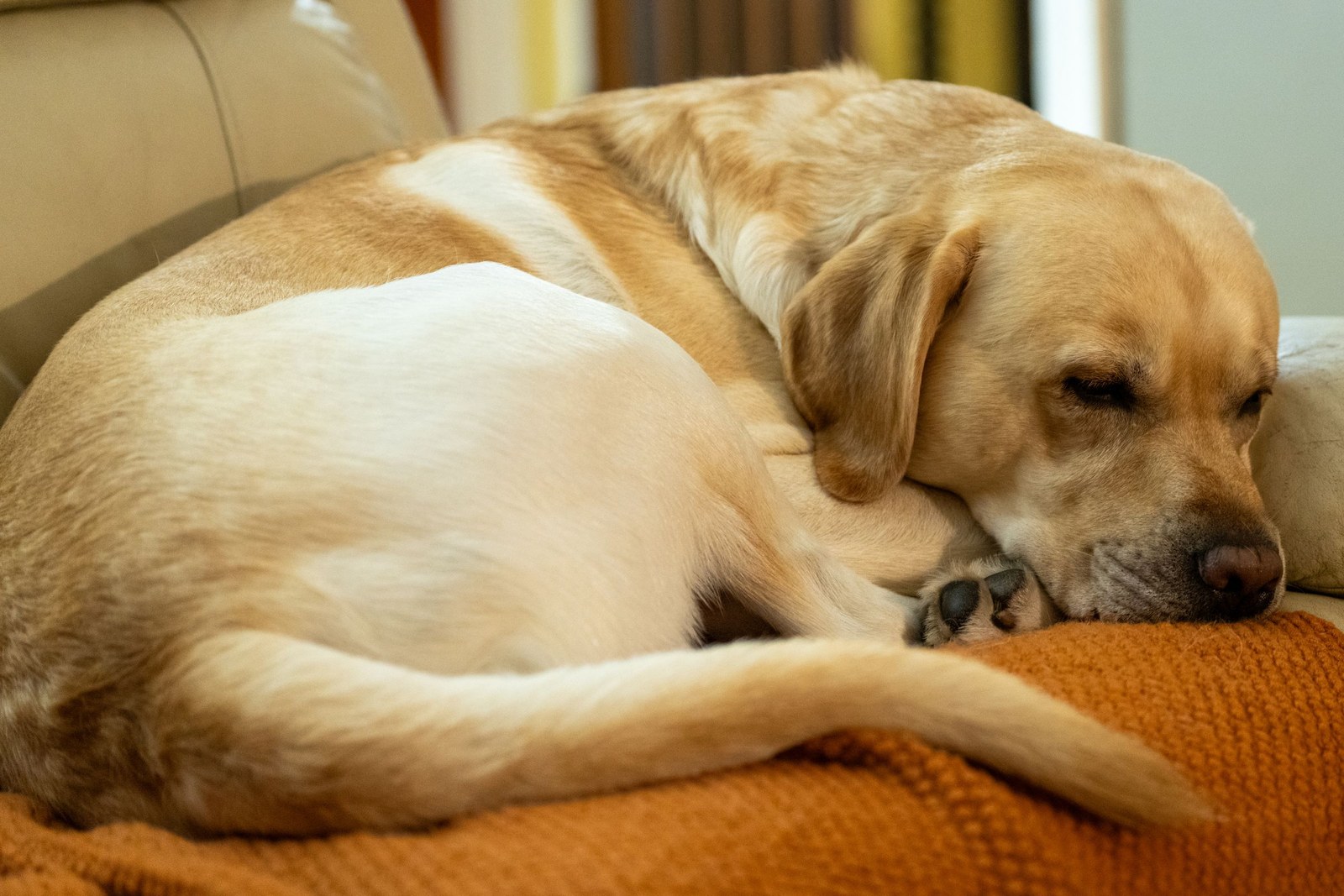
For your dog's first night in a new home, keep everything calm, familiar, and predictable: a leash walk around the new yard or block, dinner at the usual time in the usual bowl, and sleep in their familiar bed near you if that is what they are used to. A quiet evening routine tells your dog this new place follows the old, safe rules, even if it smells completely different.
Start With Safety Before You Unpack
Before your dog explores freely, do a slow safety sweep. Check fences for gaps at ground level, test gate latches, and look for escape routes under decks or behind sheds. Inside, confirm doors latch properly, pick up any debris left by previous occupants, close toilet lids if cleaning products were used, and tuck away loose cables.
Then walk the space together on leash, indoors and out. Let your dog sniff corners, doorways, and garden edges at their own speed — sniffing is how dogs build a mental map. A confident spaniel may want to tour everything in ten minutes; a shy rescue dog may only manage the kitchen and hallway on night one, and that is fine. Do not invite visitors over to celebrate yet. New people plus a new place is a lot in one evening.
Recreate the Old Routine in the New Rooms
Dogs settle through repetition, so borrow your old evening wholesale. Feed in a quiet corner, top up water in the same style of bowl, and do your normal pre-bed toilet walk, even if it is just a short loop of the new street. Bring bedding that smells like the old home and do not wash it for the first few nights, however tempting a fresh start feels.
Set up one anchor spot first: bed, blanket, a chew, and water nearby. Puppies may need a toilet trip in the middle of the night in an unfamiliar layout, so keep a lead and torch by the door. Seniors may be disoriented by new stairs or slippery floors — a rug runner and a night-light in the hallway can make a surprising difference.
If your dog whines, paces, or will not settle, stay calm and boring. A low voice, a hand resting nearby, and sticking to the routine usually works better than excited reassurance or letting them race around exploring at midnight.
The First Week Matters More Than the First Hour
Expect appetite dips, extra clinginess, or more barking at unfamiliar sounds — bins on a different day, new neighbours, different pipes and floorboards. Most dogs relax noticeably within a few days as the routine repeats. Keep walks on one familiar route at first instead of touring the whole neighbourhood, and introduce new rooms, people, and local parks gradually.
Watch housetraining, too. A fully housetrained adult can have accidents in a new home simply because the "outside door" has moved. Go back to basics for a week: frequent trips out, praise calmly for toileting outside, and clean accidents without fuss.
Call your veterinarian if your dog refuses food and water for more than a day, has persistent vomiting or diarrhoea, or seems unable to rest at all — new-home stress is common, but it should ease, not escalate.
How KinsLe Helps the First Week Stay on Track
Unpacking competes with everything, and the walk, feed, and medication times you swore you would remember are exactly what slip. As questions come up during that first week, anyone in the household can ask Kimmy in KinsLe — whether the evening walk should happen before or after dinner, how much of the morning feed a nervous dog can handle, or whether the garden gate latch held after the last trip out.
When your dog will not settle at night, ask Kimmy then as well, so everyone handles it the same way and the pattern your dog is learning to trust stays steady.
Your dog does not need the house finished. For questions that surface after move-in night, ask the Kimmy assistant on KinsLe follow-up questions about nighttime settling and toilet trips, with replies drawn from the KinsLe Answers library.