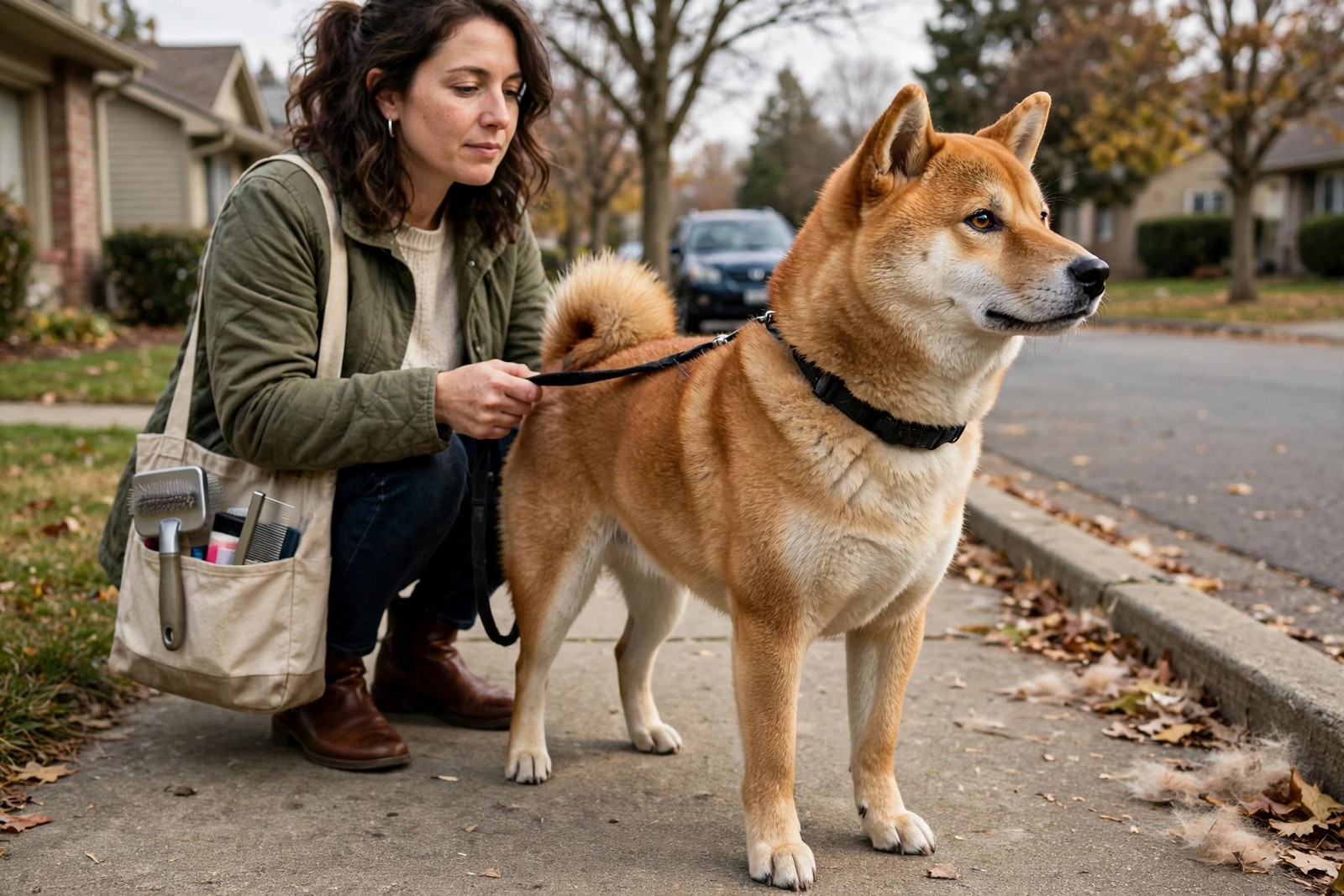
A Shiba Inu is a small dog with a large personality, and the owners who thrive with the breed are the ones who go in knowing about the noise, the fur, and the independent streak. None of these traits is a flaw. Each one is simply part of the breed's character, and each one shapes daily life more than the cute curled tail and fox-like face suggest at first meeting.
The Shiba Scream, Explained
The Shiba scream is exactly what it sounds like: a high, loud, theatrical wail that startles anyone who has never heard it. Shibas typically produce it when something happens against their will, such as a nail trim, a bath they did not agree to, being picked up unexpectedly, or restraint during a vet exam. It is a protest vocalization, a way of announcing strong objection, and a healthy Shiba can scream dramatically while being in no pain at all.
That distinction matters for new owners. A scream during nail care usually means your dog hates the procedure, not that you have injured a paw, although you should still pause and check that no nail was cut too short.
Shedding Seasons and the Double Coat
The Shiba carries a dense double coat: a straight, somewhat harsh outer layer over a soft, thick undercoat that insulates against cold and heat alike. Most of the year the coat sheds at a manageable background level. Then, in shedding seasons that commonly arrive twice a year, the undercoat blows out heavily over several weeks, and owners pull out handfuls of soft fur at every brushing while tumbleweeds of it gather in corners daily.
Plan your life around those blowouts rather than being surprised by them. During a heavy shed, brushing several times a week with a slicker brush and an undercoat rake keeps loose fur on the brush instead of on your furniture, and it lets air reach the skin. Outside shedding season, a thorough brushing once or twice a week usually keeps the coat in good order.
Grooming Rules That Protect the Coat
One rule has no exceptions: never shave the double coat. Shaving does not make a Shiba cooler. The double coat insulates in both directions, shielding the skin from sun and helping regulate temperature, and a shaved coat can grow back patchy, softer, and less weather resistant. If your dog overheats in summer, the answers are shade, water, exercise in the cool parts of the day, and keeping the undercoat brushed out so air can move through it.
Beyond brushing, grooming is refreshingly modest. Shibas are fastidious dogs who groom themselves often and usually carry little odor, so baths are needed only occasionally, when the dog has rolled in something unpleasant or before a blowout loosens the undercoat. Keep sessions short, calm, and paired with rewards, because a Shiba who decides handling is a battle will bring the scream to every round of it.
The Character Behind the Cute Face
Expect independence. A Shiba typically bonds deeply with its household while staying reserved with strangers, greeting visitors on its own terms rather than rushing in for attention. The breed is intelligent and learns quickly, but it often weighs whether a request seems worth obeying, so training works best with patience, consistency, and rewards the dog actually values. Harsh corrections tend to buy distance, not obedience.
Escape artistry completes the picture. Shibas are famously escape-prone: they bolt through opening doors, slip loose collars, dig under fences, and treat an off-leash recall as a suggestion when something more interesting appears. A secure leash and a well-fitted harness on every outing, a latched gate routine at home, and early socialization with people, dogs, and handling all protect this clever, self-possessed dog. Should your dog ever need a new home, KinsLe lets the Transferrable Profiles record carry the scream triggers, coat routine, and escape history forward intact.