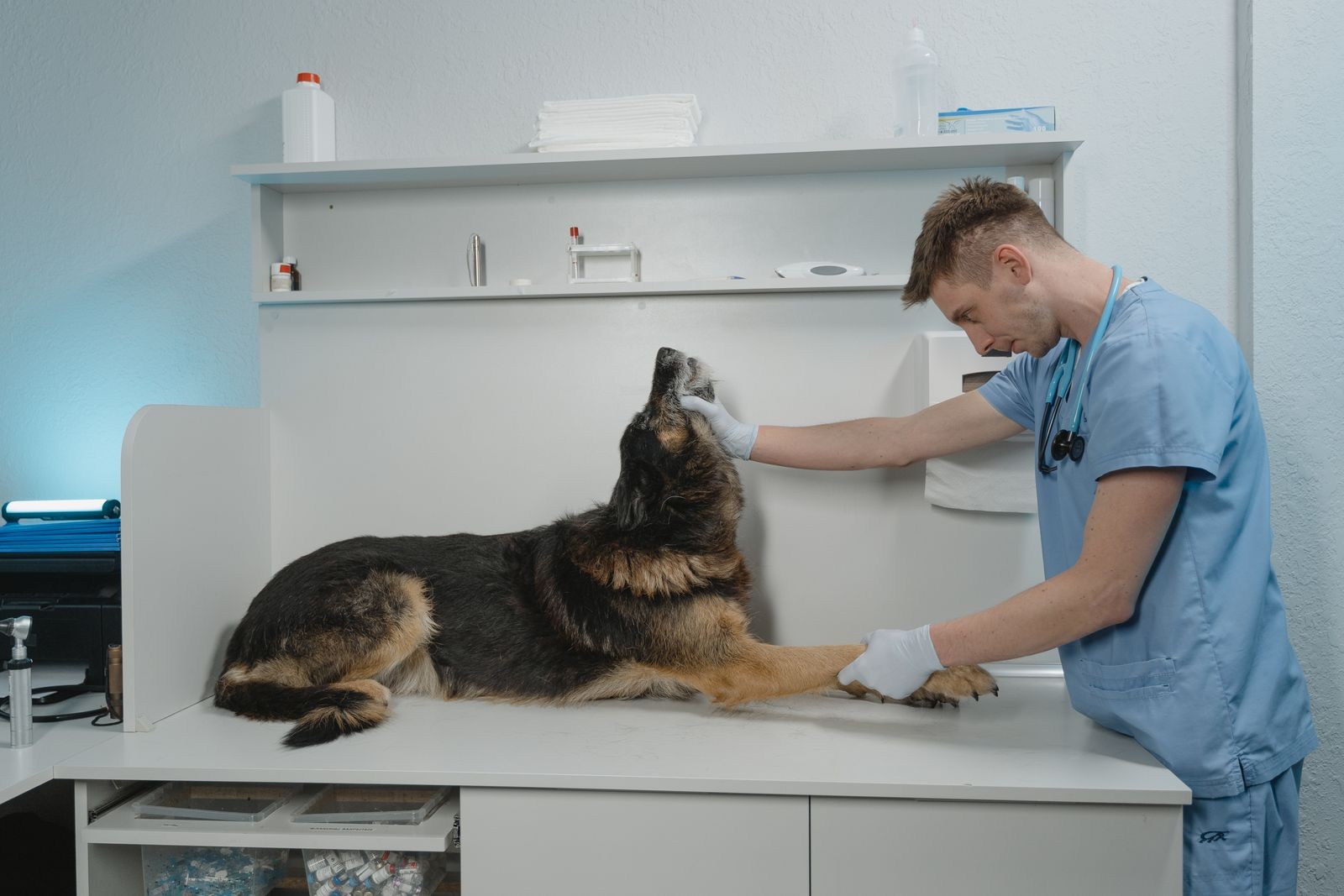
Signs that mean your dog needs a vet visit soon include not eating for more than a day, repeated vomiting or diarrhea, a cough that will not settle, limping, sudden behavior changes, and drinking or urinating far more than usual — changes from your dog's normal are information, and they deserve a prompt appointment rather than weeks of waiting.
You know your dog's baseline better than anyone: how fast the bowl empties, how she greets the door, how she takes stairs. Vets rely on owners noticing drift from that baseline, because dogs cannot describe symptoms and often mask discomfort in the exam room. Booking 'soon' is not panicking — most of the signs below are not midnight emergencies, but they get easier and cheaper to address early.
Changes Worth Booking Promptly For
- Appetite loss lasting more than a day in an adult dog, or a single missed day in a puppy or senior
- Repeated vomiting or diarrhea, or stool with blood, or straining with little result
- Coughing that persists, worsens at night, or changes how your dog exercises or breathes
- Limping that lasts beyond a day of rest, a leg being held up, or reluctance to jump and climb
- Drinking and urinating noticeably more — a bowl emptied twice as fast is worth reporting
- Sudden behavior shifts: hiding, snapping when touched, unusual clinginess, confusion, or sleeping far more
- Lumps that are new, growing, or changing, and wounds that are not healing on schedule
Any one of these on its own justifies the call. Two together — say, appetite loss plus drinking more — justify it sooner.
The True Emergencies Hiding in the List
Some signs should skip the routine queue entirely. Struggling to breathe, collapse, seizures, a swollen tight belly with retching, inability to urinate, suspected poisoning, or heavy bleeding need immediate, same-moment veterinary help — phone ahead while someone drives if you can.
Trust escalation, too. A limp that is mild on Monday and non-weight-bearing on Wednesday is no longer the same problem, even if it started on the 'book soon' list. Re-call and say it has changed; practices triage on the current picture, not the first description.
Getting the Most From the Appointment
Arrive with specifics. When did it start, how often is it happening, and what else changed — food, routine, medications, a new dog at the park, a house move? A 20-second phone video of the cough, limp, or odd episode is often worth a paragraph of description, because symptoms love to vanish in the clinic. Bring a list of current medications and foods, and mention anything your dog may have scavenged or chewed.
Afterward, note what the vet found while it is fresh — follow-up instructions disappear from memory unless they are written down somewhere you will actually see them.
Noticing Changes Early, With a Nudge
Most owners notice changes in the moment, then forget the details by appointment day. Kinny, the built-in AI assistant in KinsLe, can answer questions about the appetite, water intake, coughing, and behavior changes you log as they happen, so the timeline you build helps you frame what to ask the vet at the visit. That turns 'she has seemed off lately' into 'she stopped finishing dinner on Tuesday and drank twice as much by Thursday' — a far more useful starting point. Kinny on KinsLe can take your follow-up questions about any of these warning signs, with replies drawn from the KinsLe Answers library, when you are deciding how quickly a change deserves that appointment.