
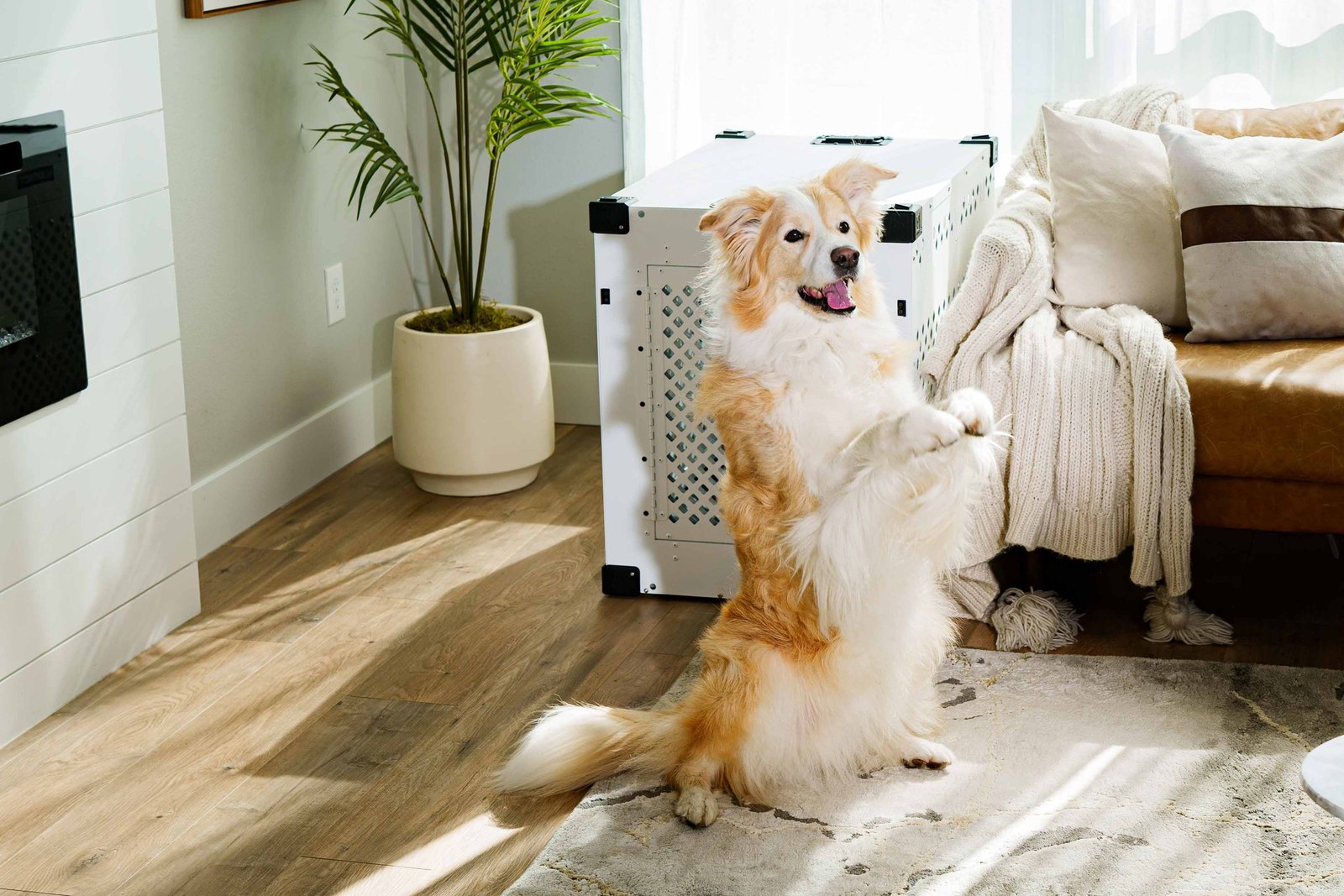
Before your first foster dog walks through the door, you need less than you might fear: a safe resting space, feeding basics, a leash and collar, cleanup supplies, and a short list of emergency contacts. Most rescues supply some items and pay for vet care, so your real shopping list is whatever they do not cover — confirm that split before you spend anything.
The essentials to have ready
Start with these core items:
- A crate or quiet corner with washable bedding, where the dog can decompress away from household bustle.
- Food and water bowls — sturdy, easy to wash, ideally non-slip.
- A leash and a well-fitting collar that cannot slip over the dog's head; many fosters add a backup slip lead for nervous arrivals.
- Cleanup supplies: an enzyme cleaner for accidents, paper towels, poop bags, and a spare old towel or two.
- A few simple toys and chews approved by the rescue — nothing valuable, everything washable.
- Baby gates if you need to separate the foster from resident pets or stairs during the first days.
Food: ask before you buy
Sudden food changes are the fastest route to an upset stomach, so ask the rescue what the dog is currently eating and either get a supply of that food or transition gradually over a week. Find out, too, whether the dog has allergies, is on medication given with meals, or is a resource guarder who must be fed separately. Write the feeding amount and schedule on the fridge — foster dogs settle faster when every person in the house feeds them the same way.
Questions to settle with the rescue first
A ten-minute call before pickup prevents most 2 a.m. problems. Ask: Who do I call for a vet emergency after hours, and which clinic is approved? What behaviors should I report immediately — coughing, not eating, aggression over food? What is the dog's history with cats, children, and other dogs? Can I take them to public places, or is this a home-only decompression foster? And what does the adoption process look like — will you be hosting meet-and-greets at your home?
Getting the answers in writing, in one message thread, saves you digging through old texts mid-crisis.
Set up the home, not just the shopping list
Do a quick safety sweep at dog height: shoes, chargers, and kids' toys off the floor, cleaning chemicals behind a closed door, and a plan for which door the dog enters through if you have resident pets who should meet them outside first. Keep the first 48 hours boring on purpose — same room, short leashed garden trips, meals, sleep. Adventurous introductions can wait until the dog has eaten, slept, and relaxed in your presence.
You don't have to figure it out alone
Every experienced fosterer was once standing in a pet shop aisle, phone in hand, wondering if they needed the expensive bed. (You do not. Washable beats fancy.) Inside KinsLe, the Circle of Love is the community of pet lovers who make up the app — many of them foster themselves and are generous with the hard-won details: which enzyme cleaner actually works, how they handled the first-night crying, what they wish the rescue had told them. Before the crate door first opens, lean on the Circle of Love on KinsLe for lived fostering experience — first-night settling tricks, decompression timelines, and the small supplies veterans swear by — shared by owners who have hosted dogs just like yours.