
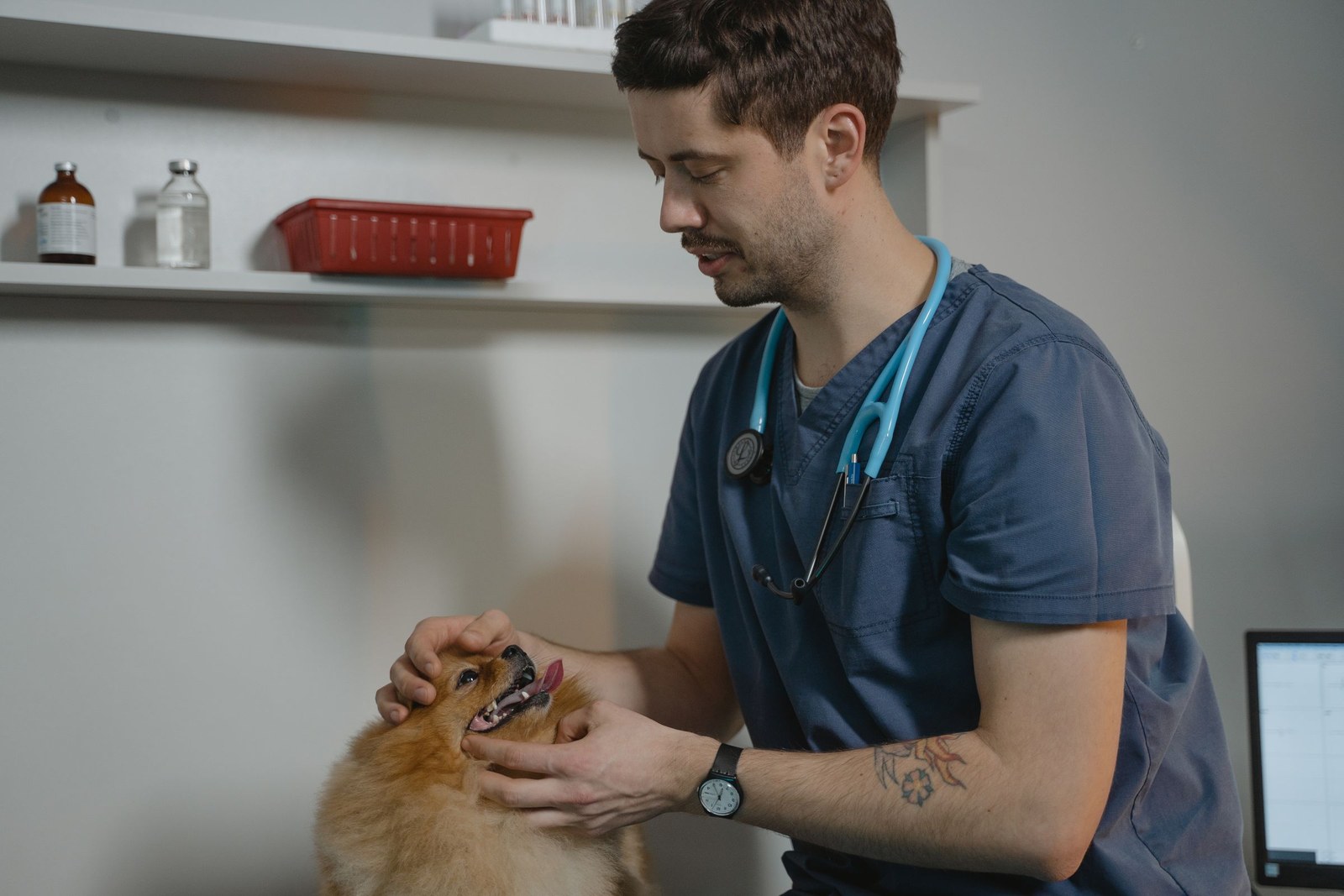
Your dog needs an emergency vet right now if they are having trouble breathing, collapse, have a seizure, bleed uncontrollably, develop a swollen hard belly, vomit repeatedly, cannot urinate, may have been poisoned, or suffer a serious injury. Sudden weakness, disorientation, obvious severe pain, or pale gums belong on that list too. If you are asking yourself whether it can wait until morning, that doubt itself is a reason to call an emergency clinic now.
Breathing, circulation, and collapse
Breathing trouble is always urgent. Watch for open-mouth breathing at rest, noisy or labored breaths, a stretched-out neck, blue or very pale gums, or a dog who cannot settle. Collapse, fainting, inability to stand, or extreme weakness can follow many serious problems and should never be slept off.
Uncontrolled bleeding is another clear emergency. Apply gentle pressure with a clean cloth while you travel if you can do so safely, but do not delay the trip to keep checking the wound. A dog who is disoriented, unresponsive, or having a seizure needs immediate help as well — move objects away, do not put anything in the mouth, note how long it lasts, and call as soon as you safely can.
Belly, vomiting, and bathroom emergencies
A tight, swollen belly, especially with pacing, drooling, or retching that produces nothing, is an emergency sign. Repeated vomiting, vomiting with blood, or vomiting paired with weakness or a painful belly also needs same-moment care, not home observation.
Straining to urinate with little or nothing coming out is urgent, particularly in male dogs, because a blockage can become dangerous quickly. Likewise, repeated straining to pass stool with crying or collapse should be checked right away. Take a photo or short note of what you are seeing if it does not delay you — times, frequency, and whether anything was passed help the team triage faster.
Poisoning and serious injuries
Suspected poisoning means call immediately, even if your dog looks fine. Chocolate, xylitol (also listed as birch sugar), grapes and raisins, certain plants, rodent bait, antifreeze, and human medications can all be dangerous, and early advice matters more than waiting for symptoms. Bring the packaging if you can grab it safely, and do not make your dog vomit unless a veterinarian or poison professional specifically tells you to.
Hit-by-car incidents, falls, dog attacks, eye injuries, broken bones, and deep wounds all warrant emergency assessment even when a dog walks away seeming lucky. Internal injuries and shock are not always visible at the curb. Keep your dog warm, still, and as calm as possible on the way.
How to make the trip count
Call the emergency clinic while you travel so they know you are coming and what to prepare. Say your dog's breed, age, weight if you know it, the main sign, when it started, and any known conditions or medications. Drive carefully, have a second person contain your dog if possible, and bring the leash, any suspect packaging, and a list of current medications.
Trust your instincts. You know your dog's normal — the greeting, the appetite, the energy. A sudden, dramatic change from that normal is information, even if you cannot name a diagnosis. Vets would rather rule out an emergency than meet one late.
Share critical records in seconds with Pet Passport
Emergencies go better when the clinic is not starting from zero. KinsLe's Pet Passport is your dog's records packet — vaccines, medications, allergies, and documents — shareable with vets and sitters in moments. For dogs, that can mean the emergency team sees allergy and medication details right away instead of waiting for a daytime clinic to open. Keep it updated after every vet visit so it is ready before you ever need it. Keep the Pet Passport packet on KinsLe current after each visit — dated vaccine entries, medication names, and allergy notes the emergency team can read at a glance instead of reconstructing under pressure.