
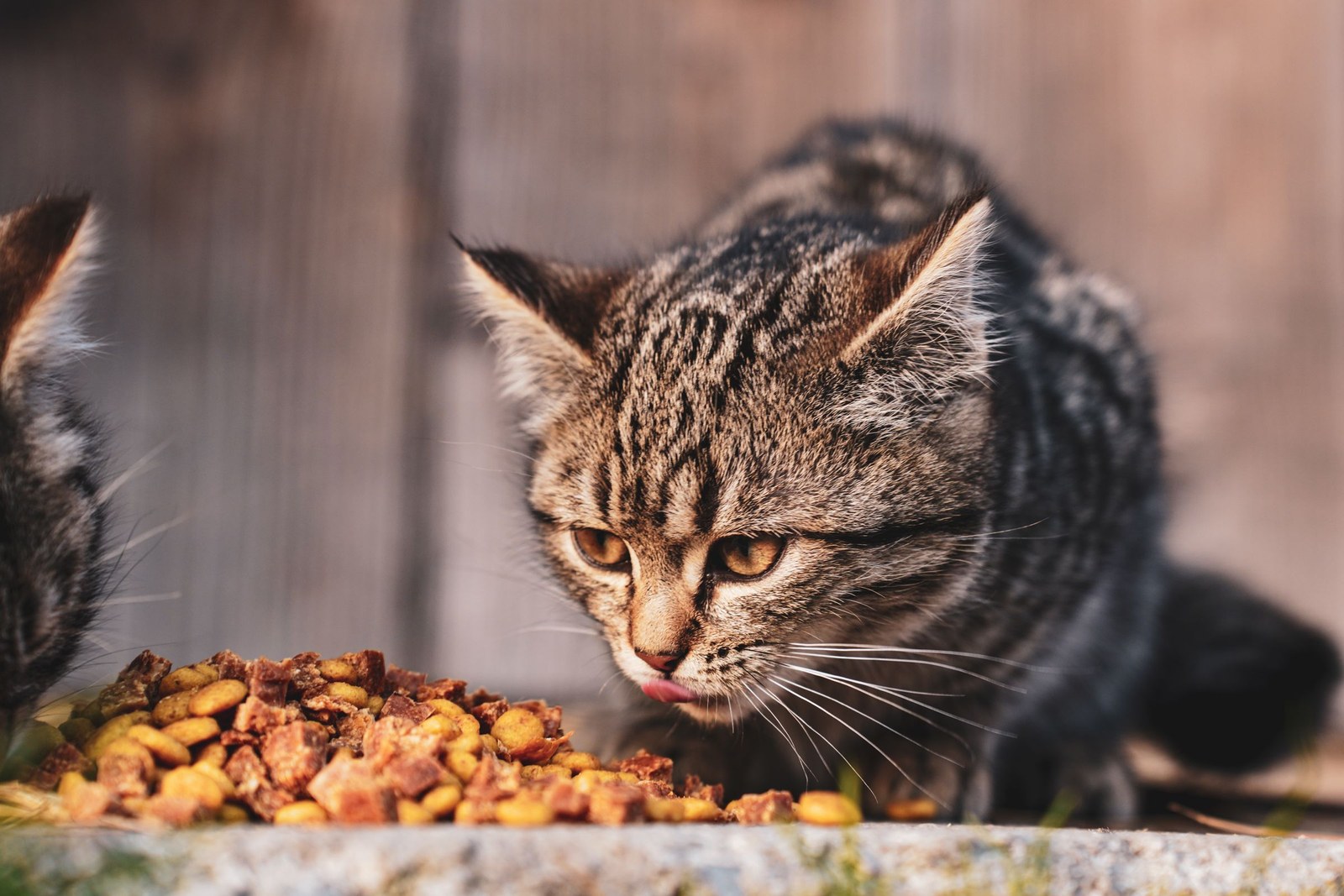
Feed your cat at consistent times twice a day — typically morning and evening, tied to your own routine — rather than at random hours or from a constantly full bowl. Cats thrive on predictable mealtimes: a steady schedule helps them feel secure, makes appetite changes easy to spot, and can reduce the 4 a.m. wake-up begging that irregular feeding encourages.
Why Timing Matters More Than the Exact Hour
There is no universal correct clock time. A cat fed at 7 a.m. and 6 p.m. and a cat fed at 9 a.m. and 9 p.m. can both thrive. What matters is consistency from day to day, including weekends. Cats learn meal patterns remarkably well and will start anticipating — and demanding — food at the learned time. If weekdays are early and weekends drift by two hours, you'll meet a very insistent cat on Saturday morning.
Two meals suit most adult cats. Some owners prefer three smaller meals, which can help cats who gulp, beg, or need weight management. Kittens need more frequent meals, and seniors or cats with health conditions may have a schedule set by their veterinarian — follow that over general advice.
Morning and Evening: Working With Cat Instincts
Cats are naturally most active around dawn and dusk, and a meal after a short play session fits that hunt-catch-eat rhythm beautifully. A five-minute wand-toy game before breakfast often produces a calmer cat who eats, grooms, and settles — instead of racing around the bedroom at night.
The evening meal's timing can shape your sleep. Feeding the last meal a little later in the evening, rather than at 5 p.m., means your cat is less likely to be genuinely peckish at 3 a.m. Some owners keep back a tiny portion of the day's food as a bedtime serving. Just make sure it's part of the daily total, not an extra.
Scheduled Meals Versus Free-Feeding
Leaving dry food down all day works for a minority of self-regulating cats, but it makes portions invisible, lets food go stale, and is a common path to gradual weight gain. It also hides appetite loss, which is one of the earliest signs a cat is unwell — with scheduled meals, a refused breakfast is noticed within the hour.
If you must bridge a long day, an automatic feeder that dispenses a measured portion at the set time preserves both schedule and quantity. Puzzle feeders can stretch a meal for a fast eater. Whatever the tool, the principle is the same: food appears at predictable times in known amounts.
Handling Shifts, Travel, and Multi-Person Homes
The bigger risk in busy homes is not lateness, it's uncertainty: one person feeds early 'just in case,' another feeds on time because nobody said the cat was already fed. That is how cats gain weight while everyone swears they barely eat.
Care Teams Keep Mealtimes From Being Guessed At
KinsLe's Care Teams are built for exactly this: you can assign set mealtimes as feeding duties, and each completion is timestamped, so a late feed never gets guessed at and an early feed is visible to everyone. If a sitter or family member handles dinner, the record shows it, and the regular feeder doesn't serve a second dinner out of caution. Over weeks, that log also reveals patterns — appetite dips, consistent leftovers — worth mentioning at vet visits. That written record lives in the Care Teams plan on KinsLe, where the morning and evening feeding duties stay assigned to specific people and each finished feed stays checked off for the next person.