
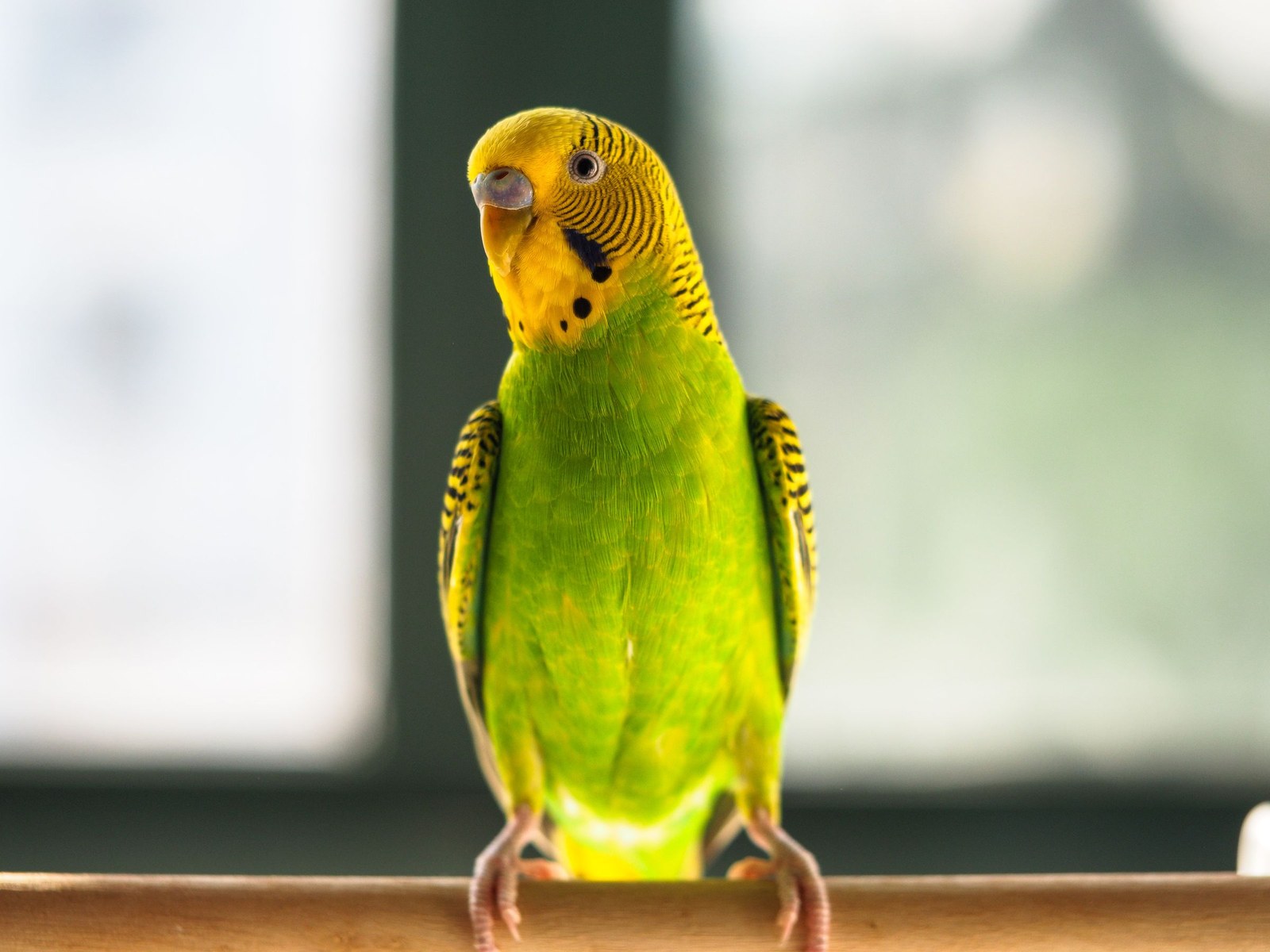
A small sprig of spray millet is the classic budgie training treat, and it earns that status honestly: budgies adore it, and you can offer just a few seeds at a time from the sprig, so your bird gets a reward without filling up. Tiny pieces of leafy green and single oat groats also work well as lower-key rewards.
What Makes a Treat Good for Training
Training works on repetition, so the ideal treat is small, quick to eat, and exciting enough to focus a bird who would rather be preening. A reward that takes a minute to chew breaks the session's rhythm; a reward the bird is indifferent to breaks its motivation. The treat should also be special — if millet hangs in the cage all day, it stops being a prize. Keep training treats out of the regular dish and deliver them by hand, so they are tied to you and to the lesson. Sessions of five to ten minutes, ending while your budgie is still keen, beat one long drill every time.
The Best Budgie Training Treats
- Spray millet — the gold standard; pinch off a few seeds per reward, or hold the sprig and let him take one bite
- Oat groats — single seeds that work like tiny, countable currency
- Leafy green pieces — a shred of spinach or a broccoli floret bud for birds who love greens
- A kernel of corn or a pea half — soft, sweet, and easy to deliver
- Sprouted seed — familiar flavor with better nutrition, good for longer sessions
Rotate two or three options so no single treat loses its shine, and note which one makes your particular budgie light up — individuals have strong opinions.
How to Use Treats Without Undoing the Diet
Treats should stay a small share of the day's intake, not a second menu. A single millet sprig portioned across a session is plenty; end the lesson before the sprig is gone rather than feeding to the stem. Train before the morning feed, when your budgie is naturally motivated, instead of after a full meal. If your bird is converting from seed to pellets, training treats become even more valuable — reserve the beloved seed-based rewards strictly for training, and the everyday bowl can quietly go pellet-based without a fight.
Training Basics That Pair With the Treats
Start with step-up onto a finger or perch, the foundation skill every other lesson builds on. Target training — touching the end of a chopstick for a reward — is the usual second step and teaches your budgie how learning works. Teach one cue at a time, reward instantly, and keep the room calm; a shy budgie fresh from a pet shop may need days of simply taking millet through the bars before hands enter the picture, and that patience is training too. Always finish on a success, however small.
Keeping Sessions on the Calendar
Progress with budgies is built in daily minutes, and daily minutes are the first thing a busy week eats. When a busy week squeezes those daily minutes, bring Kimmy in KinsLe the questions that keep practice small and steady: how short a session a nervous new budgie can handle, which treat still earns his attention, and how to restart a stalled cue without making training a weekend project. Small treats, small sessions, big trust. When millet stops motivating or a new cue stalls, bring that budgie training question to Kimmy through KinsLe and receive follow-up answers sourced from the KinsLe Answers collection.