
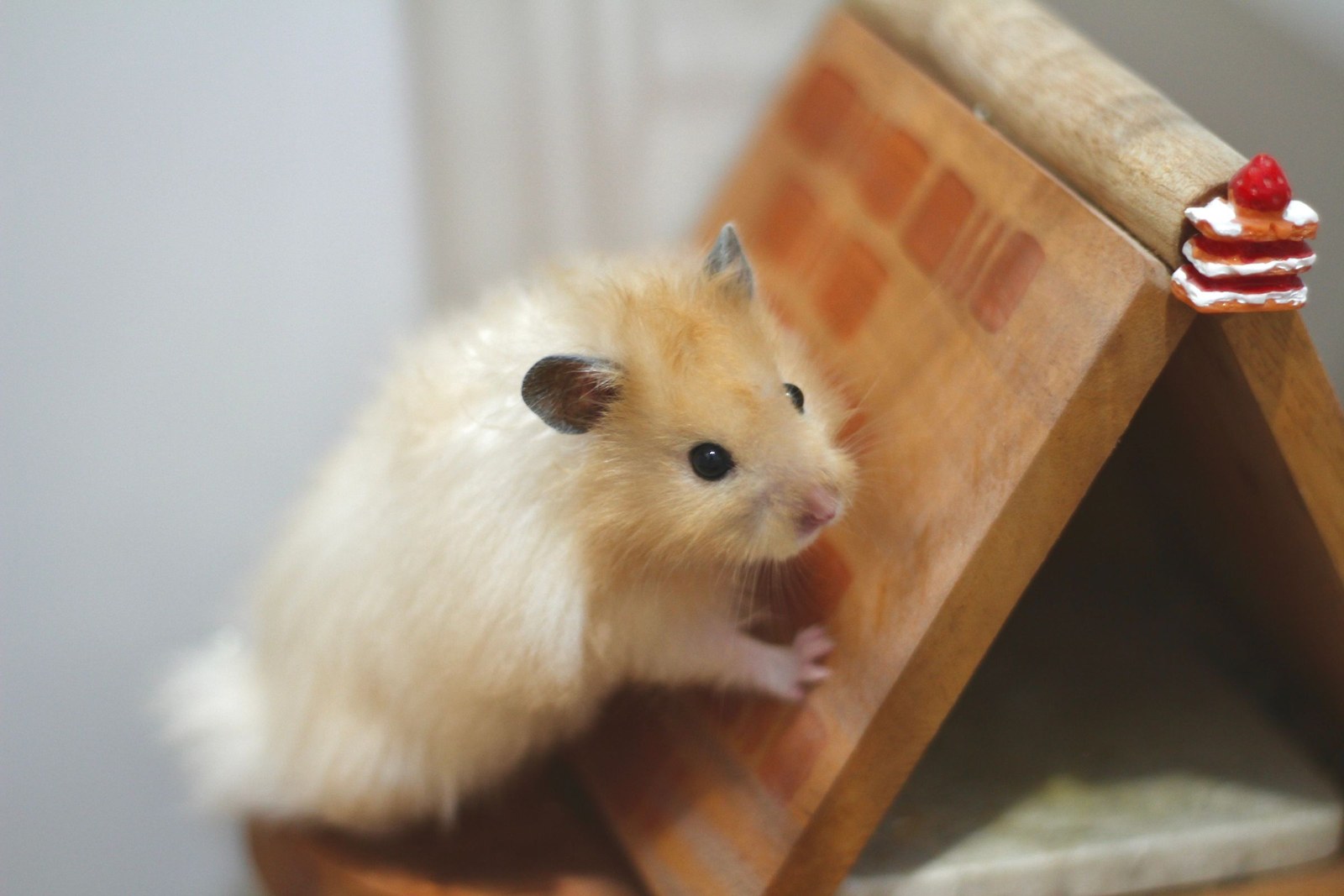
Safe treats for small mammals are tiny, occasional, and matched to the species: think a pea-sized piece of a suitable vegetable, a single oat, a small herb leaf, or one species-appropriate commercial treat. Treats are a bonus on top of a complete main diet, never a replacement for it, and the smaller the pet, the smaller the treat should be. A portion that looks trivial to you can be a feast to a dwarf hamster.
Match the Treat to the Species
Different small mammals handle foods very differently. Rats are omnivores and can enjoy a blueberry, a bit of cooked egg, or a strand of cooked pasta. Guinea pigs do well with small pieces of bell pepper or herbs like parsley and coriander, alongside their vitamin C-rich staple diet. Hamsters enjoy a sunflower seed or a tiny piece of carrot, though sweet fruit should be rare, especially for dwarf species. Rabbits suit leafy herb treats better than fruit. Ferrets sit at the opposite extreme: only meat-based treats suit them, never fruit or sugar. When a treat is sold for "small pets" generally, still check it against your species specifically.
How Many Is Too Many?
A useful rule is that treats should make up only a small fraction of the day's food — a few pea-sized pieces for a hamster or mouse, slightly more for a rat or guinea pig, offered once a day or a few times a week rather than at every interaction. It is easy to overtreat without noticing: one family member gives a seed at lunch, another at dinner, a third before bed. Weight gain in small pets creeps up fast, and sugary commercial treats like yoghurt drops and honey sticks are closer to candy than food. Fresh treat foods should be removed if uneaten after a few hours.
Introduce New Foods One at a Time
Every new food should arrive alone and in a very small amount, with droppings checked over the next day. Soft droppings, uneaten food, or a pet who goes quiet are signs to stop that food and let things settle. This one-at-a-time rule matters most for youngsters and for species with delicate digestion. Wash vegetables, avoid anything seasoned, salted, or sugary from your own plate, and never offer foods known to be unsafe for the species — chocolate, onion, garlic, and raw beans are out for everyone.
Use Treats as Training and Bonding Currency
Because treats are high-value, spend them deliberately. A tiny treat delivered from your fingers builds trust with a shy hamster far faster than grabbing ever will. Scatter a few oat flakes in bedding to encourage natural foraging, or reward a rat for stepping onto your hand or returning to the cage after playtime. Rotating two or three approved treats keeps them interesting without expanding the menu into risky territory. Keep a written approved-treat list on the cage or fridge so the menu stays consistent.
Track Treats in KinsLe Messenger
The classic treat problem is not what is given — it is that nobody knows what was already given today. KinsLe Messenger is the per-pet communications hub, keeping one thread for each pet where family members and helpers can note the morning seed, the afternoon herb sprig, or the training reward already handed out. A quick message in your pet's thread ends the double-treating and keeps everyone working from the same picture. It also becomes a handy log if appetite or droppings ever change. Posting each seed or sprig in the KinsLe Messenger thread on KinsLe stops double-treating when several hands feed one small pet.