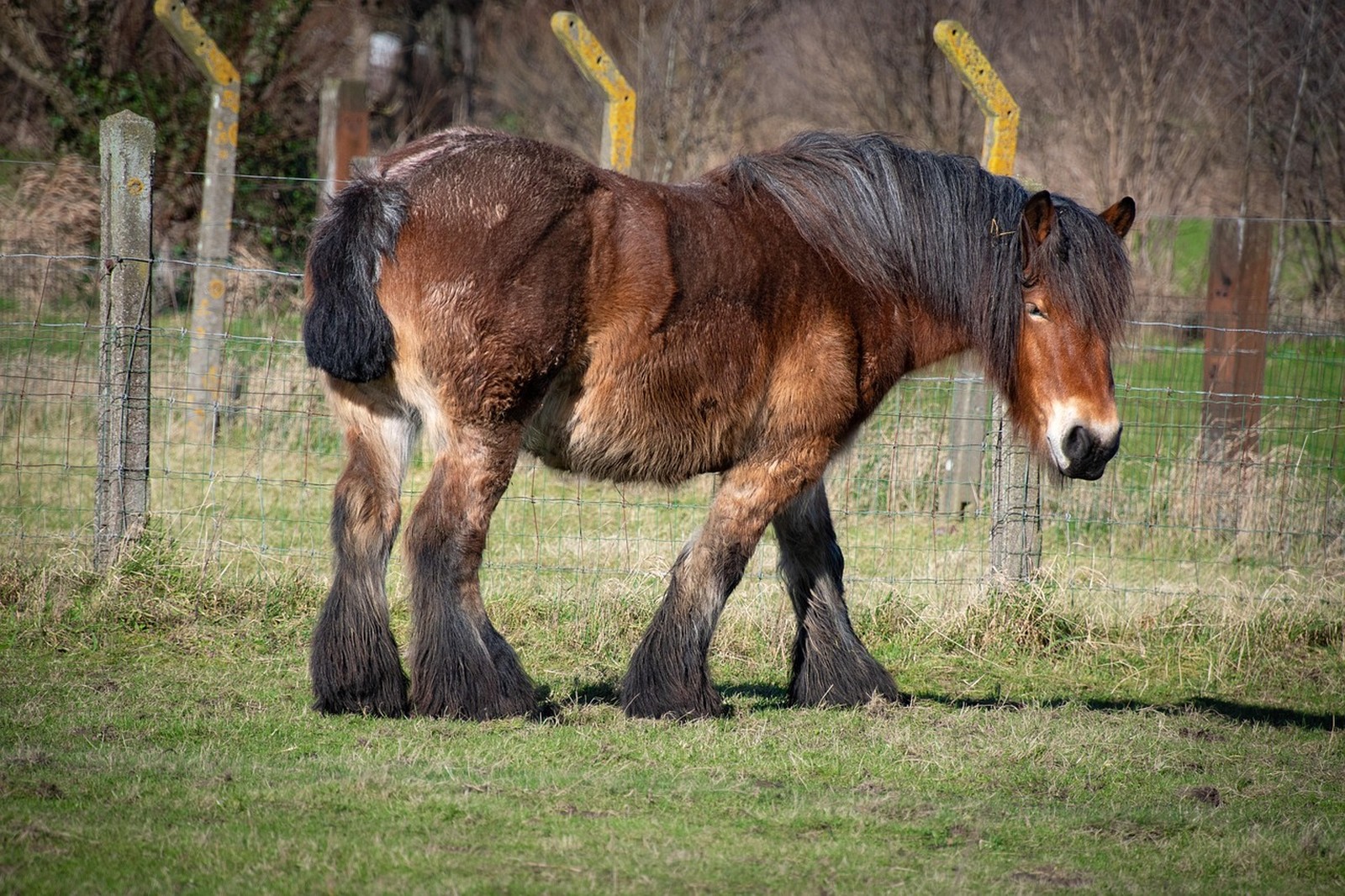
A winter coat is not a problem to be removed; it is a working system of insulation and waterproofing that your care decisions either support or fight. Care through the cold months comes down to four judgments, made horse by horse: whether to clip, how to rug, how to clean a coat you cannot keep bathing, and what condition hides underneath it.
To Clip or Leave the Full Coat
Decide by workload, not by fashion. A horse in regular work who sweats through a full coat takes a long time to dry, loses condition standing damp, and is a candidate for a partial clip — a bib clip on the chest and neck, or a trace clip taking more from the belly and flanks. A horse in light work is usually better left with its full coat, exercised gently enough not to soak it and cooled out afterwards. Clip early enough in the season that you can re-clip as the coat grows back, and remember that clipped hair removes insulation you then owe the horse in rugs: the clip decision and the rug wardrobe are one decision, not two.
Rugging by Weather, Workload and the Individual Horse
Rug the horse in front of you: a clipped, older or lean horse in wet, windy weather needs more cover than a fat native type with a full coat, and the same horse needs different rugs across a changeable week. Feel under the rug at the chest and behind the withers — your guide is a horse who feels warm but not hot or sweaty — and adjust as the weather moves rather than leaving one rug on all season. Check under rugs daily: lift them off, look for rubs at the shoulders, chest and withers, and feel for damp or a horse who has sweated. Never rug a horse who is still wet or sweating from work; dry and cool the horse first, because a rug over a wet coat traps the damp against the skin.
Grooming a Thick Coat Without Stripping It
Winter grooming is about lifting dirt out of a deep coat, not producing a show sheen. Work a curry comb in circles to bring dried mud, grease and loose hair to the surface, follow with a body brush, and pick out feet and check legs as part of the same routine. Bathing should be rare in cold weather: frequent washing strips the natural oils that make a winter coat shed rain, so spot-clean marks with a damp cloth instead. Pay attention to the places winter hides trouble: mud fever on heels and lower legs in wet fields, rain scald along the back when a coat stays wet for days, and lice in thick coats. Part the coat and look at the skin weekly, especially under rugs and along the mane line.
Hands-On Condition Checks Under the Hair
A heavy coat is an excellent liar: a horse can lose real condition while looking round and fluffy, or gain it while looking tucked up on a cold day. Once a week, run your hands over the horse with the rug off — feel the ribs, which should be felt with light pressure under a covering of flesh, the backbone and the hips — and condition-score against what your hands report, not what your eyes see. Weigh-tape readings taken at the same time each week turn that feel into a trend, and the trend is what should drive forage changes. Forage is the other half of warmth: the digestion of fibre generates heat inside the horse, so generous hay or haylage in cold snaps is central heating as well as feed, and a horse going into winter lean needs that forage conversation early, not in the coldest week. KinsLe's Care Teams keeps the daily side of winter care shared and visible: rug checks, weekly coat and condition checks, grooming and forage top-ups can be assigned to family members or yard helpers in your horse's care team, with each completed task marked complete with a timestamp.