
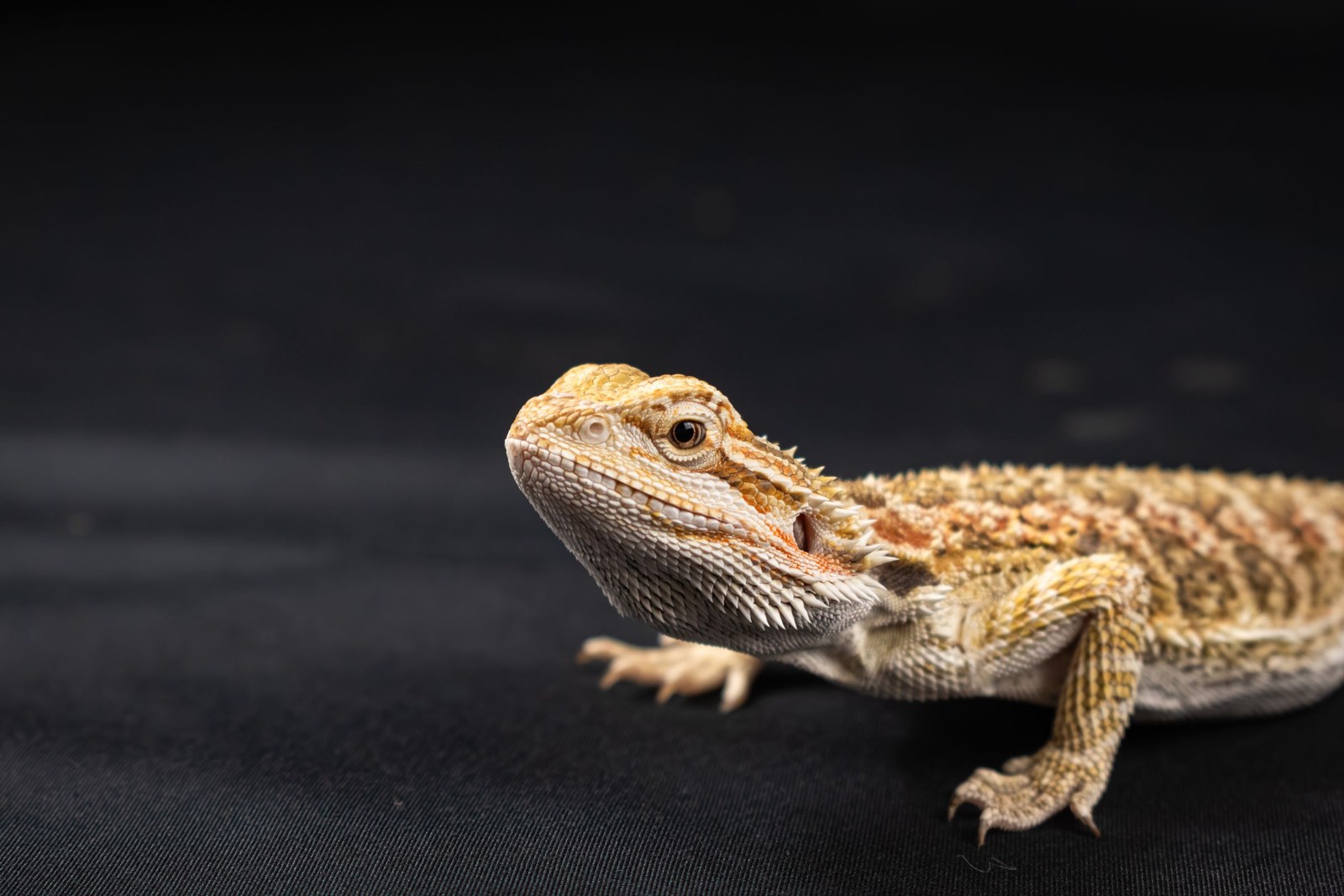
Glass surfing — your bearded dragon repeatedly scratching, standing, and rubbing against the enclosure glass — usually means something in its world feels off: temperatures too hot or too cool, an enclosure that feels too small or too bare, hunger, or stress from seeing its own reflection. Work through the husbandry causes first, starting with your temperature gradient and lighting, and add enrichment like a hide and climbing branches. If the surfing continues alongside appetite or energy changes, a reptile vet can rule out a health cause.
Start With Temperatures and Light
Temperature is the number one cause, because a bearded dragon surfs to escape conditions it cannot fix itself:
- Too hot overall: if the whole enclosure is warm with no cooler retreat, the dragon tries to leave through the glass
- Too cool: a dragon that cannot reach proper basking warmth gets restless and frustrated
- Check with real thermometers, including a reading right at the basking spot — guessing from a dial or the room temperature misleads many keepers
- Lighting schedule: a consistent day-night cycle matters; lights on at odd hours or a failing UVB tube can unsettle behavior
Correct the gradient so there is a genuinely warm basking end and a genuinely cooler end, and many dragons settle within days.
Space, Bareness, and Reflections
A growing dragon in a starter tank will surf simply because it has outgrown the space — juveniles grow fast, and an enclosure that fit at three months can feel like a shoebox at nine. Bare enclosures bore an intelligent, active lizard; add a sturdy hide, climbing branches, and textured surfaces to explore. If surfing targets one wall, reflections are a common trigger — a dragon that sees "another dragon" in the glass may display at it endlessly. Covering the outside of three sides of the tank with a background often ends reflection surfing almost overnight.
Hunger, Shedding, and Just Being a Dragon
Some surfing is communication: many dragons surf before feeding time or when they want out for supervised floor time, and brief bouts around shedding or seasonal restlessness (including springtime hormonal energy in males) are normal. Context is everything — occasional surfing in an otherwise eating, alert dragon is a quirk; frantic all-day surfing is a complaint.
When to See the Vet
Book a reptile vet if surfing comes with appetite loss, weight loss, lethargy, black beard that will not relax, discharge, or changes in droppings. Do not let a stressed dragon injure its snout on the glass in the meantime — a temporary visual barrier and a husbandry review protect it while you work out the cause.
Catch the Small Slips Early
Glass surfing is often the first symptom of a husbandry detail quietly drifting — a bulb aging, a feeding routine slipping, an enclosure outgrown. On KinsLe, Kinny can answer follow-up questions about the surfing — whether the basking spot runs cool, whether the enclosure has grown cramped, or whether a reflection is the trigger — so you can sort likely causes first. Kinny within KinsLe fields further questions about temperature gradients, cramped layouts, and reflection triggers, returning replies taken from KinsLe Answers entries.