
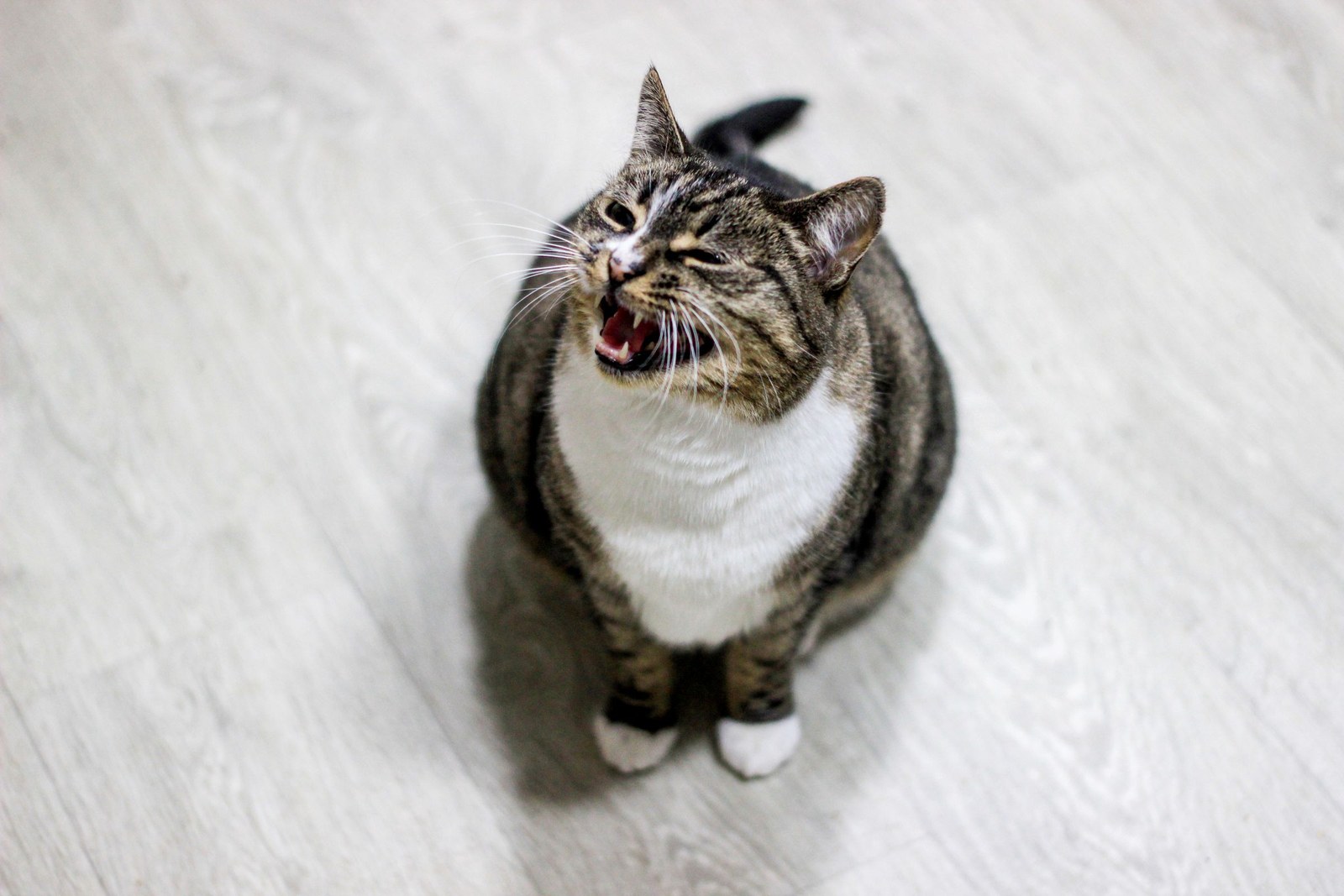
Your cat meows at closed doors because a closed door is, from a cat's perspective, an outrage: it blocks access to territory she considers hers, cuts off a patrol route, and separates her from people and resources she can hear and smell on the other side. She is usually not desperate to be in that specific room — she objects to the barrier itself, and meowing is her way of filing the complaint.
Territory Does Not Respect Doors
Cats map their home as one connected territory that they patrol, scent-mark, and refresh throughout the day. Rubbing cheeks on doorframes, scratching near thresholds, and doing regular laps of the house are all maintenance work on that map. A door that was open yesterday and shut today is a disruption to the route — and cats are famously persistent about restoring disrupted routines. That is also why many cats meow at a door, walk through the moment it opens, and immediately want back out. The goal was never the room. The goal was the option. A cat who can come and go considers the territory intact; a cat facing a shut door considers it occupied by a problem.
Why the Meowing Gets Louder
Meowing is a communication cats reserve largely for humans, and they are excellent at training us with it. If crying at the door has ever produced an opened door, attention, or a treat to keep her quiet, she has learned the volume and persistence required. Intermittent success is the most powerful teacher of all — opening the door one time in five teaches her to meow longer, because persistence sometimes pays. Some cats add props: pawing under the door, rattling the handle, or sitting where they know you will see them on the way past. Breed plays a role too — Siamese, Bengals, and other famously vocal cats will always have more to say about doors than a laid-back British Shorthair — as does boredom, since a closed door at 9 p.m. in an under-played cat is entertainment as much as grievance.
Decide Your Door Policy and Hold It
You cannot reason with a cat about doors, but you can be consistent, which is the language she understands:
- Decide which doors genuinely must stay shut — a nursery, a room with hazards, a guest room with an allergic visitor — and accept meowing at those as a habit to outlast, not solve nightly. - For doors that do not matter much, consider a cat door, a door prop, or leaving them open to remove the daily battle entirely. - Never open a contested door while she is actively crying. Wait for a pause, even a few seconds of quiet, so silence rather than volume is what works. - Make the allowed side of the door more interesting: a perch, a puzzle feeder, and an evening play session near the hallway reduce the sense that all the good territory is elsewhere. If she fixates on one new door — say, to a room where a new pet is being introduced — that meowing carries extra meaning about curiosity or tension, and a slow, scent-based introduction plan matters more than door policy.
When Door Meowing Is a Health Flag
A cat who suddenly cries at doors alongside pacing, night restlessness, appetite change, or litter box trouble may not be complaining about territory at all. Senior cats in particular can vocalize more due to pain, vision or hearing loss, or cognitive changes, and any abrupt behavior shift deserves a veterinary conversation rather than a training plan.
Stay Ahead of the Evening Chorus
Often the evening door chorus starts because something in the routine slipped — dinner was late, play never happened, a box needs scooping. Questions about your specific setup — a nursery door that must stay shut, or a vocal cat who performs at midnight — can be explored further without guessing. Put a follow-up question to KinsLe's Kimmy; she answers using the KinsLe Answers library.