
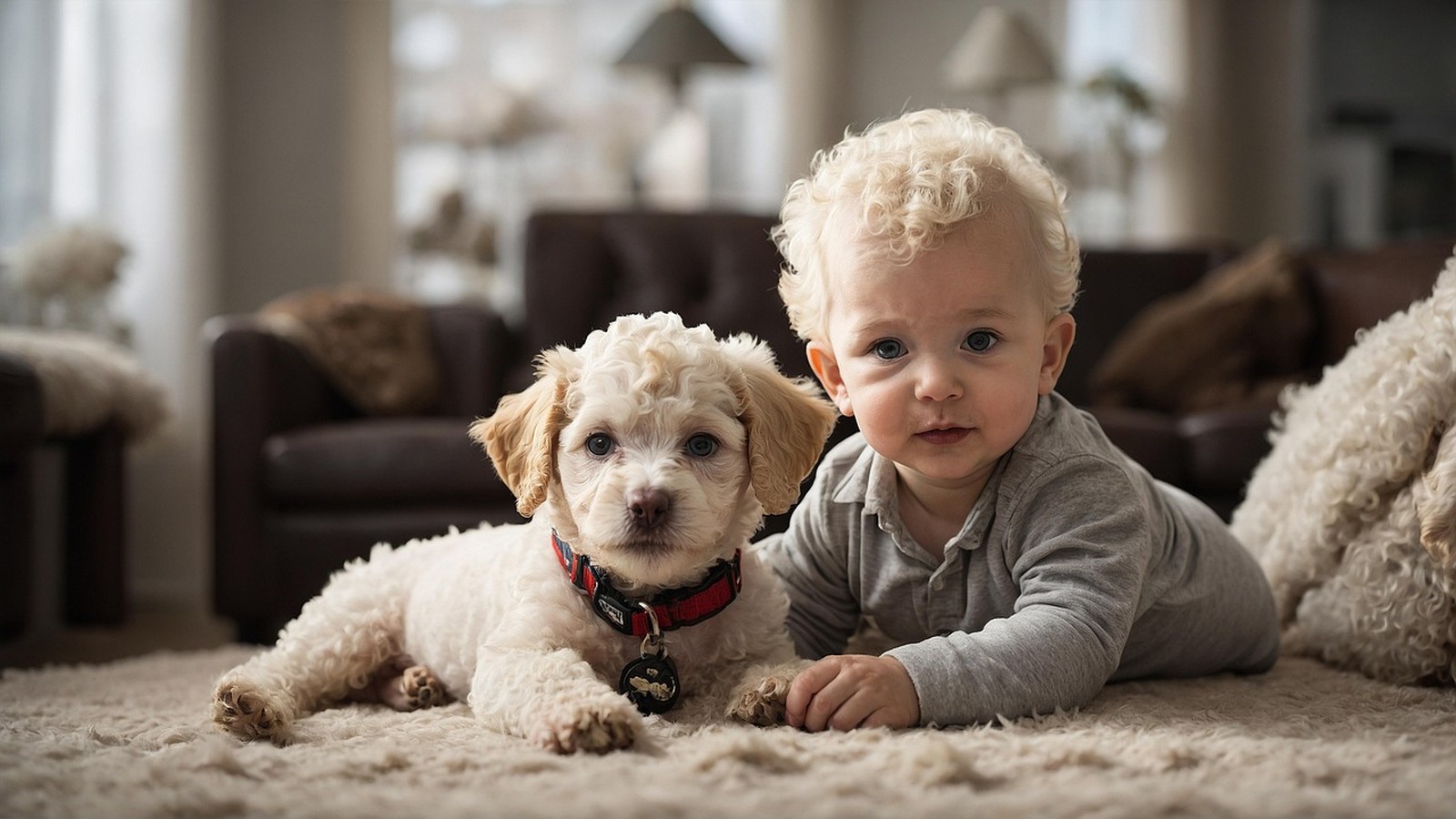
Kitchen, hallway, bathroom door: your dog's day is a tour of wherever you happen to be. For a social animal whose whole world is organised around one household, following is the default setting, not a fault. You control the food, the lead, the garden door, and the best company, and a dog who stays near you misses none of it. Following also pays constantly in small change, a word, a scratch, a dropped crumb, so the habit is reinforced dozens of times a day without anyone meaning to teach it.
The Velcro Dog Spectrum
Some dogs follow more by design. Breeds developed to work in close partnership with a person, and many small companion breeds selected purely for closeness, tend to shadow as a personality trait, earning the velcro dog label. Age and history shift the dial too. Puppies follow because you are safety itself. Newly adopted dogs follow while they learn the house and confirm you come back from other rooms. Bored dogs follow because you are the only entertainment scheduled. A contented follower has a soft body, can flop down when you stop moving, and will stay settled with another family member or a chew when you are busy. That dog does not need fixing, just perhaps a job and a comfortable station in the rooms you use most.
Telling Normal Following From Separation Anxiety
The dividing line is what happens when following is prevented:
- A relaxed follower sighs, relocates to a nearby bed, or takes herself off to chew or nap when a door closes.
- An anxious follower escalates: pacing the door line, panting, drooling, whining or barking, scratching at doors, and toileting indoors when left, even briefly.
- A sudden change matters most of all. An older dog who becomes clingy out of character, restless at night, or disoriented may be dealing with pain, failing senses, or cognitive change, and that pattern deserves a vet visit rather than training.
Building Comfortable Independence
Teach a place or mat cue in the room you are in, rewarding her for settling on it while you move about, then for staying while you step into the next room and straight back. Use baby gates for brief, boring separations paired with a stuffed food toy, so being apart quietly predicts good things. Scatter feeding in the garden and solo sniffing games give her occupations that do not involve monitoring you. Avoid constant commentary and contact when she follows, not out of coldness, but so that your movement stops being an event she must attend. Keep departures and returns low key, and build alone time in seconds and minutes, not in one long test she fails. If closed doors produce genuine panic or she injures herself trying to reach you, ask your vet about referral to a qualified behaviour professional, because that level of distress needs a structured plan, and KinsLe Care Teams supports the everyday version of that plan by assigning the short settle practices and solo enrichment duties across the family, so everyone builds her confidence the same way.