
Dry, flaky skin in dogs most often comes from everyday causes — low indoor humidity, bathing too often or with the wrong shampoo, a diet that does not suit your dog, or simple seasonal change — but allergies and other skin conditions can look identical at first. Gentle care helps simple dryness; redness, sores, hair loss, or constant scratching deserve a veterinarian's look instead of a shelf of new products.
Everyday triggers hiding in plain sight
Heated homes in winter dry the air and the skin with it. Frequent baths, especially with human shampoo or harsh detergents, strip natural oils, and poor rinsing leaves residue that flakes as it dries. Tight collars, new laundry scents on bedding, and a recent food change can all coincide with flaking by accident or by cause — timing is a clue.
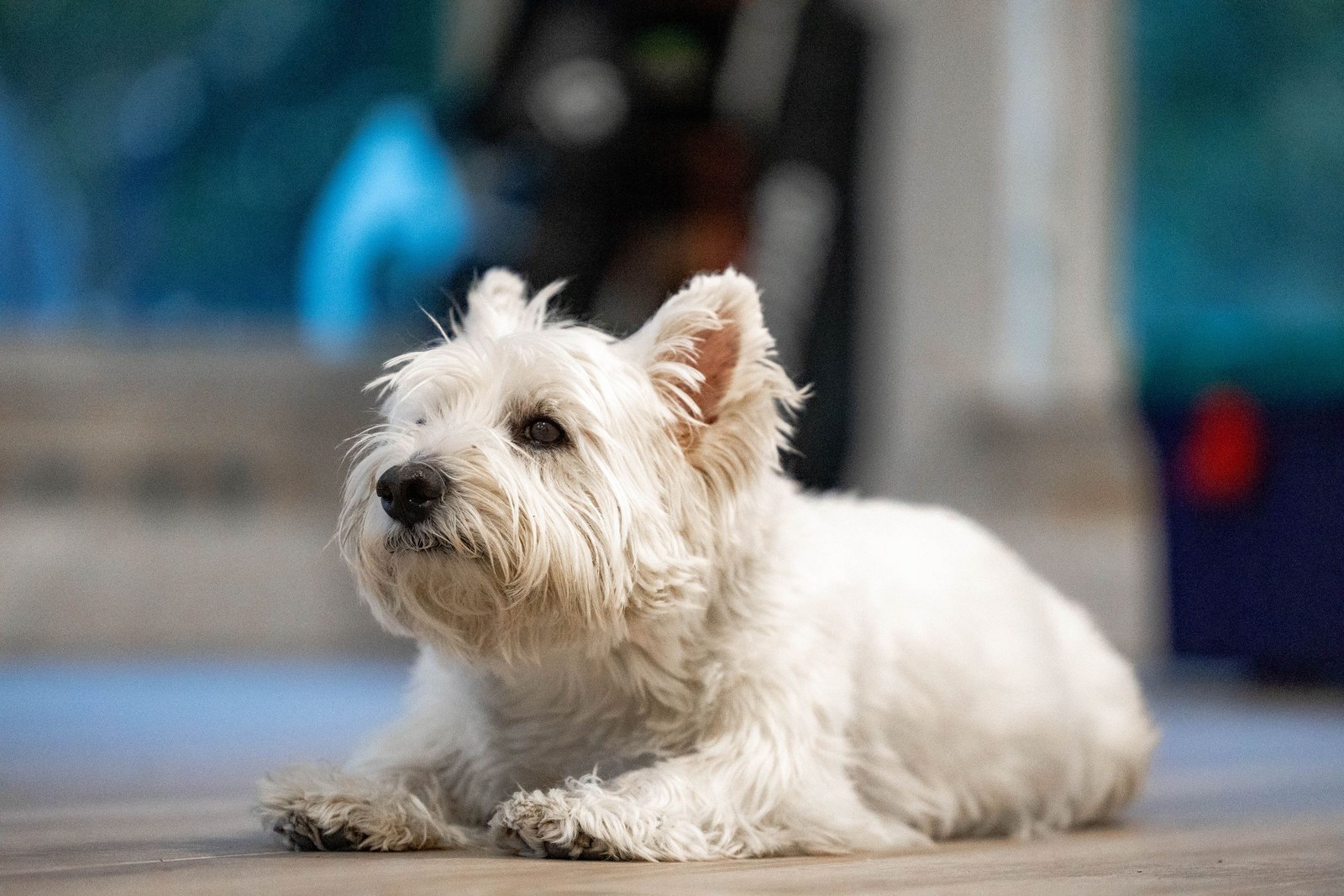
Some dogs are simply prone to it. Breeds with sensitive skin, like Bulldogs and West Highland White Terriers, and older dogs whose oil glands slow down, may flake more readily. A dog who swims often, in pools or the sea, also needs thorough rinsing and drying.
A gentle routine for simple dryness
Start by doing less, better. Brush regularly with a brush suited to your dog's coat — brushing lifts loose flakes, spreads oils, and lets you actually see the skin. Bathe only as needed with a gentle, dog-specific shampoo, rinse until the water and coat feel completely clean, and dry thoroughly, especially in skin folds and between toes.
Wash bedding in a mild, unscented detergent, keep fresh water available, and feed a complete diet suited to your dog's life stage. Do not add oils, supplements, or home remedies in quantity without veterinary advice — more is not always better, and some human skin products are unsafe for dogs, especially if licked.
Track what you changed and when. Skin responds slowly, over weeks, so changing everything at once teaches you nothing.
Signs it is more than dryness
Book a veterinarian visit if you see any of the following:
- Red, hot, or smelly skin, or sores and crusts
- Bald patches, thickened skin, or darkening in armpits and groin
- Constant scratching, paw licking, head shaking, or ear odor
- Flakes that are moving, greasy, or accompanied by fleas or ticks
- A dog who seems unwell, off food, or low in energy
Your veterinarian can check for parasites, infection, allergies, or other causes and advise treatment — this article cannot diagnose your dog, and guessing wastes time while skin gets sorer.
Grooming records that reveal patterns
One flaky week is weather. The same flaking every February, after every bath with a particular shampoo, or alongside a new food is a pattern, and patterns are what solve skin puzzles. Note bath dates, products, food changes, and when flakes or itching spike, with a quick photo in the same light.
Staying identifiable while you track it with KinsLe
Every KinsLe pet profile carries a unique QR ID, so your dog's profile — with the notes and dates you keep — is tied to that one verified identity wherever it is shared or scanned. Keeping grooming dates and skin observations alongside your dog's profile means anyone caring for your dog works from the same picture, and the history is there when your veterinarian asks. For the person who comes across your dog away from home, scanning the collar code brings up that same profile through KinsLe's Verified QR ID Pet Profiles, with your contact details presented as the next step.