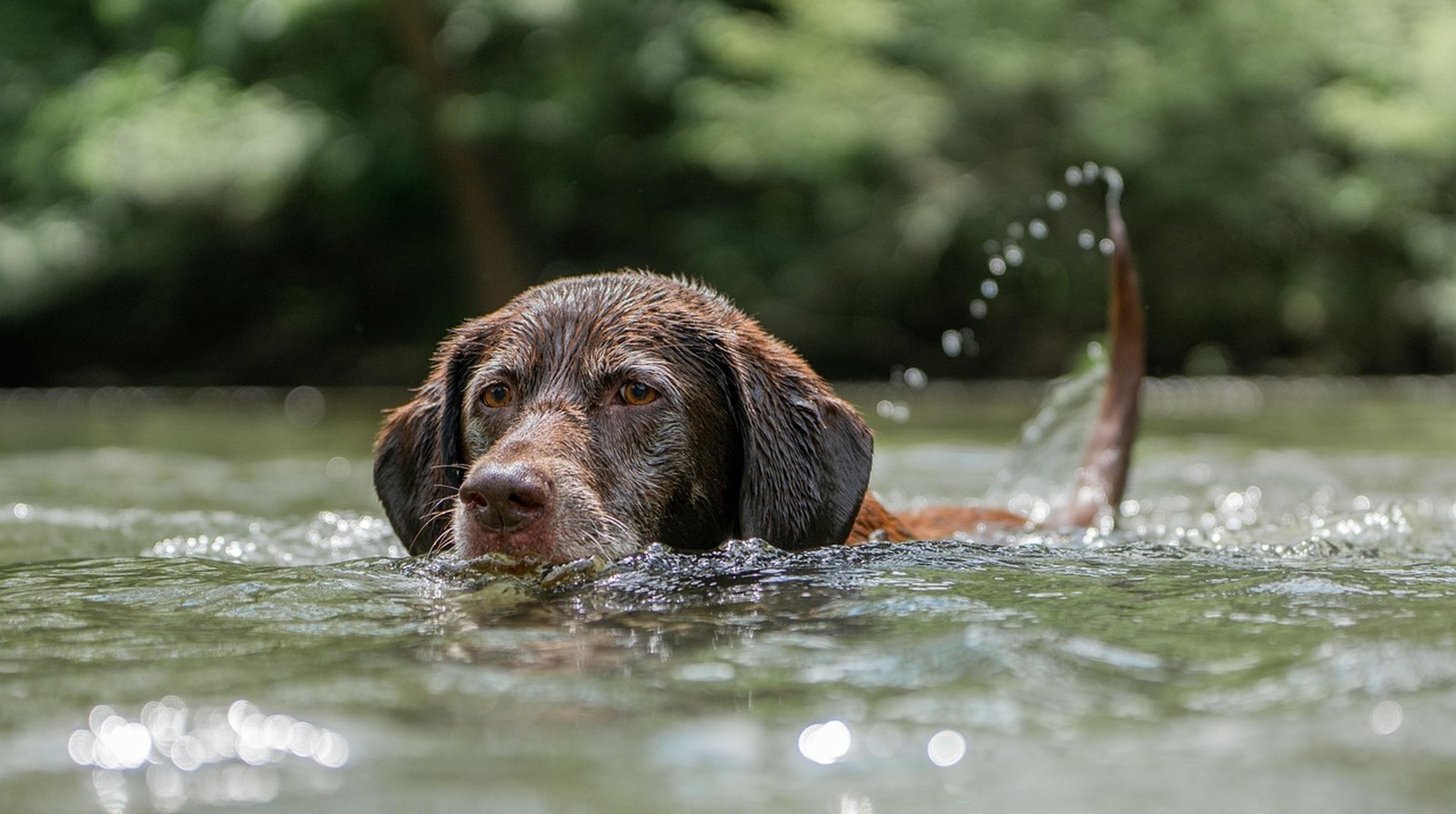
Head Shaking Is Your Dog Pointing at His Ears
A single shake after a bath is nothing. A dog who shakes his head repeatedly through the day, scratches at an ear, or rubs that side of his head along the floor is localising a discomfort for you. The shake is an attempt to dislodge or relieve something in the ear canal: water trapped after a swim, wax and debris built up over time, a blade of grass or a seed that slipped in on a walk, or the itch and soreness of an ear that has become inflamed inside. Because dogs cannot describe which of those it is, the pattern around the shaking is what guides your next step.
What You Can Safely Look At
Lift the ear flap in good light and examine only what you can see without inserting anything: the inner flap and the entrance to the canal. Healthy skin there is pale and fairly clean. Signs worth noting are redness, brown or yellow discharge coating the entrance, a sour or yeasty smell when you lift the flap, and tenderness — a dog who ducks, whines, or pulls away when that ear is touched is telling you it hurts. Compare both ears. Many problems affect one ear first, and the contrast between a clean, comfortable ear and a red, dirty one is often obvious even to an untrained eye. Never push cotton buds or cloth down into the canal itself; the canal bends, and poking can pack debris deeper or injure delicate skin.
Water, Walks, and the Usual Suspects
Think about what preceded the shaking. A swimmer or a dog bathed yesterday may simply be working water out, and that shaking fades within hours as the ear dries — though ears that trap water repeatedly, especially in floppy-eared breeds, deserve a mention at the next check-up because damp canals irritate easily. Shaking that begins after a walk through long grass raises the grass-seed question, particularly if it starts suddenly, is violent, and involves one ear only, with his head held slightly tilted toward that side. That combination should not wait the weekend out, because a seed sitting in the canal causes escalating pain and is far easier to deal with early.
The Ear Flap Problem Shaking Itself Can Cause
Persistent shaking has a side effect owners often miss: the violent flapping can damage blood vessels inside the ear flap, producing a soft, pillow-like swelling on the flap itself. If you notice the flap thickening or ballooning on one ear, that swelling is a reason to book in promptly rather than a wait-and-see — it is uncomfortable, it rarely resolves on its own, and it usually means the underlying ear irritation still needs treating too. Discouraging scratching and shaking in the meantime protects the flap from getting worse before the appointment.
When to Stop Watching and Book the Vet
Make the appointment if you can see discharge, if there is a strong smell from the ear, if the shaking continues into a second day, or if it comes with a head tilt, loss of balance, yelping when the ear is touched, or a swollen flap. Ear problems are painful in a way dogs hide badly — a dog off his food with a sore ear is not being dramatic. Skip shop-bought drops and home mixtures until he has been examined, because what the canal needs depends on what is actually happening inside it, and the wrong product can complicate the vet's view and treatment. Logging the start date, the ear involved, and whether swimming or long grass came first in KinsLe's Pet Passport turns your observations into a clear history the moment you sit down at the clinic.