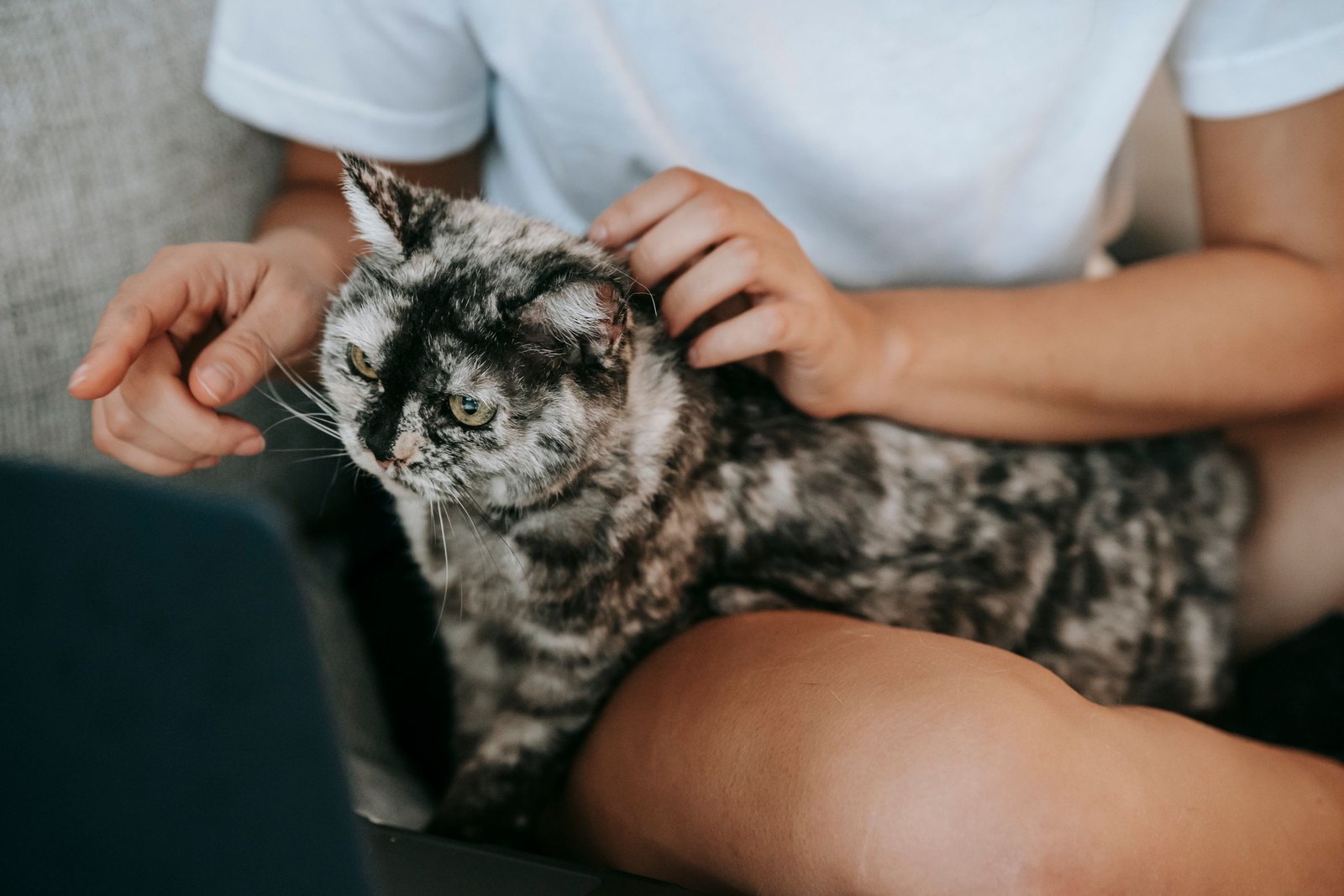
Drooling combined with pawing at the mouth usually means something in your cat's mouth hurts, feels wrong, or is stuck there — dental pain, nausea, an irritant, or a foreign object are all possibilities — and it should be checked promptly by a veterinarian. Do not force your cat's mouth open if she resists; a safe examination is a job for the clinic, where lighting, tools, and gentle restraint protect you both.
What Could Be Going On
Mouth pain is high on the list. Cats commonly develop dental disease, sore or broken teeth, gum inflammation, and mouth ulcers, often quietly, because they keep eating through discomfort until they cannot. A cat who drops kibble, chews on one side, or suddenly prefers wet food may have been signalling dental trouble for weeks before drooling starts.
Other causes include something physically lodged — a splinter of bone, a grass awn, a piece of toy, or thread wrapped around the tongue — and nausea, which often produces drooling with lip-licking and swallowing. Contact with an irritant matters too: chewing certain houseplants, licking cleaning products, or biting a bitter-tasting object can trigger dramatic drooling. A Ragdoll who chewed a lily leaf and a Siamese with a sore tooth can look deceptively similar at first glance, which is exactly why an examination beats guessing.
Signs That Raise the Urgency
Treat the situation as urgent and call an emergency clinic if drooling comes with:
- Open-mouth breathing, gasping, drooling with distress, or pawing frantically — possible airway or choking concern.
- A visible object or string in the mouth — never pull string or thread yourself.
- Blood in the saliva, a swollen face or jaw, or a jaw held hanging open.
- Suspected toxin exposure: plant chewing, chemicals, or human medication.
- Complete refusal to eat, repeated retching without producing anything, or collapse.
Even without those signs, drooling and pawing that persist beyond a short episode, or recur, need a booked appointment rather than monitoring alone.
What to Do — and What to Avoid
Keep your cat calm and indoors, remove access to whatever she may have chewed, and note what plants, products, or new treats were within reach. If she allows it comfortably, you can lift a lip gently to peek at the teeth — but stop the moment she objects. Fingers near a painful mouth risk bites even from the gentlest cat, and a stressed cat can injure herself struggling.
Offer water, but do not syringe food or fluids into the mouth of a cat who may have an obstruction or severe pain. Photograph or bring along any chewed plant or product packaging; identification speeds the clinic's decisions considerably.
What the Vet Can Do That Home Cannot
A proper oral examination may require sedation if pain or a lodged object is suspected, and that is a kindness, not an excess — it lets the vet find the sore tooth, ulcer, or grass seed safely and treat it in the same visit where possible. Dental X-rays sometimes reveal damage below the gumline that no home check could spot. Arrive with your timeline: when it started, what she last ate, and what she could have accessed.
How KinsLe Messenger Keeps Family in Step
When one person takes the cat in, everyone else at home is left refreshing their phones. KinsLe Messenger is the per-pet communications hub, so vet-visit updates and questions can be sent to family from your cat's own thread: "at the clinic, they're checking a back tooth, home by six." The cat sitter, your partner, and the teenager who first noticed the drooling all read the same update instead of relaying fragments.
That single thread also becomes the follow-up log for rechecks and medication questions. KinsLe Messenger carries your partner's question straight to you at the clinic — whether the sore tooth was found and when her recheck is due — without a chain of missed calls.