
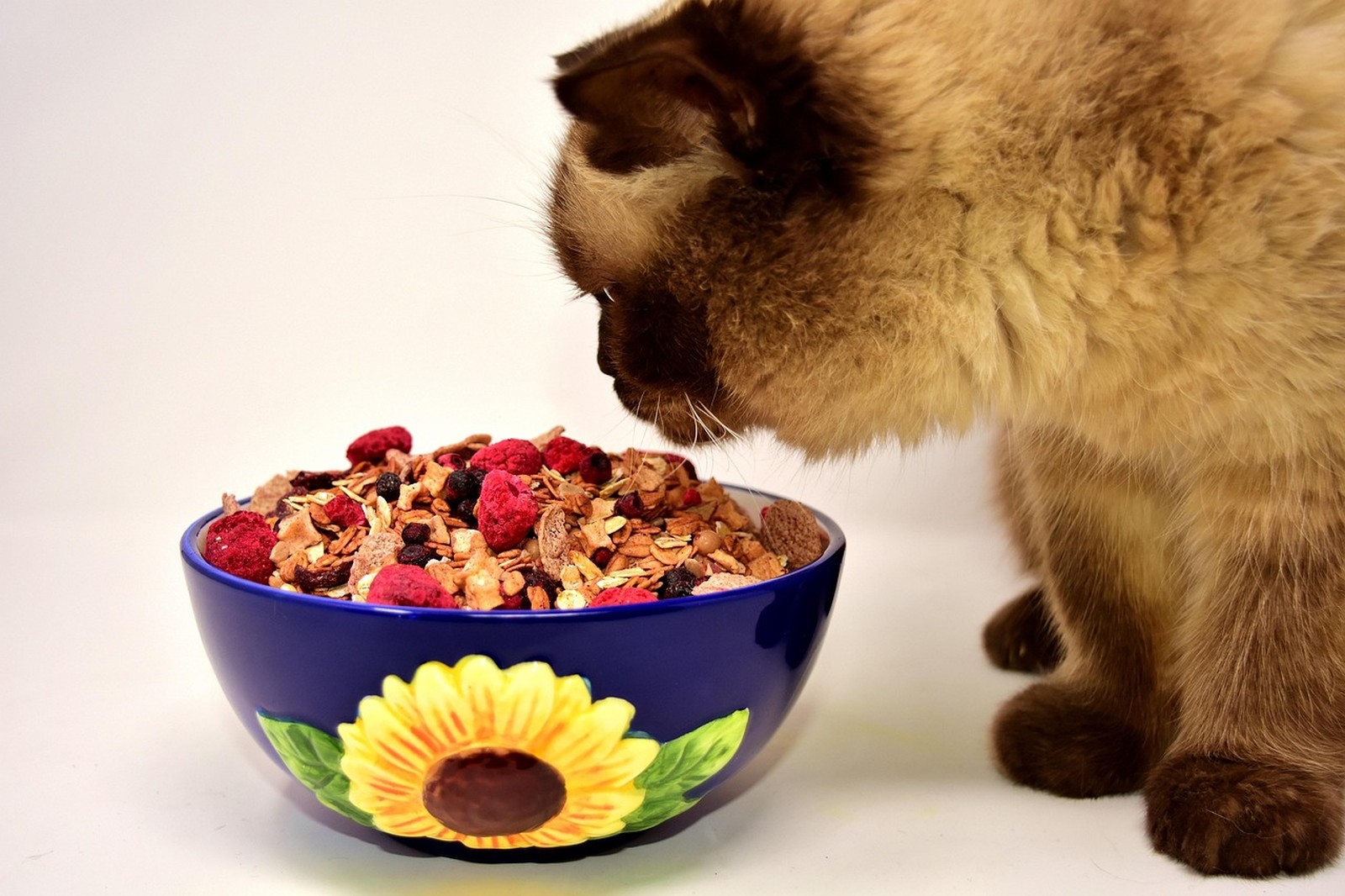
A cat who suddenly turns picky is usually reacting to something specific — a stale or changed batch of food, a moved bowl, household stress, or a texture preference — but a refusal that lasts more than a day or two, or comes with other changes, deserves a call to your veterinarian. Cats are not being dramatic; abrupt appetite loss is one of the ways they report that something is wrong.
The everyday causes of fussiness
Start with the food itself. Dry food goes stale and its fats turn rancid once the bag has been open for weeks, especially stored warm — your cat's nose knows long before yours does. Wet food served fridge-cold is a common refusal: cold food smells of almost nothing, and smell is what sells a meal to a cat. Warming it for a few seconds to release the aroma fixes a surprising share of "picky" cases.
Environment matters too. A bowl moved beside the washing machine, a new pet, building work, guests, or even a new brand of litter nearby can suppress appetite. So can dental discomfort — a cat who approaches eagerly, takes one bite, and drops food may have a sore mouth rather than strong opinions. And some cats simply develop a firm texture loyalty, devoted to paté and insulted by chunks, or the reverse.
What to try at home
- Offer meals at consistent times and lift uneaten food after 20 to 30 minutes, so food is fresh at each sitting.
- Warm wet food slightly and serve it in a clean, wide, shallow dish — yesterday's residue smells off to a cat.
- Keep the bowl in its usual quiet place, away from litter and appliances.
- Offer one change at a time. Rotating five new foods in three days creates a buffet critic, not a diagnosis.
- Note what was eaten, refused, and when. Patterns appear on paper that memory smooths over.
Avoid the trap of escalating toppings and hand-feeding rituals unless your vet advises it — a healthy cat who learns that refusal produces roast chicken will reasonably keep refusing.
When picky means "call the vet"
Treat these as same-day or next-day calls: complete refusal of food for 24 hours or more, eating far less for several days, weight loss, vomiting or diarrhea alongside the fussiness, drooling, pawing at the mouth, hiding, or a normally social cat going quiet. Kittens, seniors, and overweight cats should be seen sooner rather than later, as they have less margin when meals stop. Only your veterinarian can examine your cat and work out whether this is teeth, tummy, stress, or something deeper.
Comparing notes with everyone who feeds your cat
Often the clue is distributed: you see refused breakfasts, your partner sees normal dinners, and the sitter saw her eat perfectly last weekend. Pooling those observations is what separates "she's fussy" from "she stopped eating on Tuesday."
That is exactly what KinsLe Messenger is for — as your cat's per-pet communications hub, it lets you message everyone in your cat's care circle in one place and check whether they have noticed the same change, building a timeline worth showing the vet. In her KinsLe Messenger thread on KinsLe, message the sitter who fed her last weekend and ask whether breakfast was refused then, too, or eaten cleanly.