
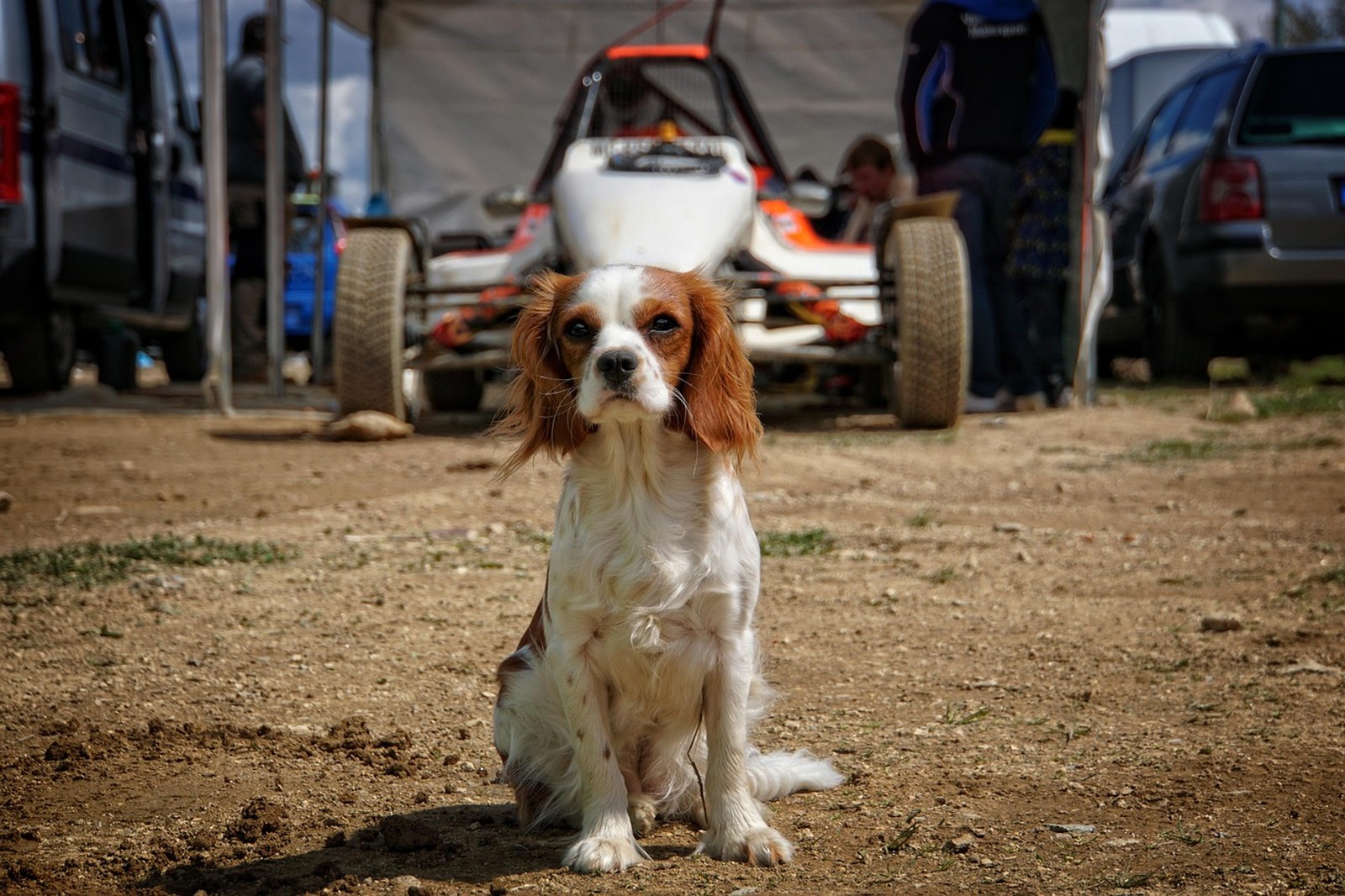
A Sensitive Breed Reads the Household Before the Bowl
Cavalier King Charles Spaniels are companion dogs in the truest sense, and their appetites track the emotional weather of the home. A missed meal today may follow a departed guest, an owner travelling, a new pet, or even a tense morning — this breed notices, and stress settles in the stomach. That said, do not write every refusal down to feelings: Cavaliers also carry small, crowded mouths where dental discomfort builds quietly, and a dog who wants the food but cannot manage it looks very similar to a dog who is simply sad. Watch her approach to the bowl closely, because the details separate worry from pain.
Mouth Checks Matter More in a Small Spaniel
Little breeds accumulate dental plaque faster than large ones, and a Cavalier's compact jaw leaves little room for error. If she picks up kibble and drops it, chews on one side, tilts her head while eating, or has breath that has worsened recently, suspect her mouth before her mood. Gently lift her lips and look for red gums, a loose or discoloured tooth, or swelling along the gumline. Softening her usual food with warm water for a day is a fair test: a dog who eats the softened version readily but refused the dry one is pointing you at her teeth, and that finding is worth a dental examination soon.
Stomach Upsets and the Cavalier's Delicate Middle
A mild digestive upset is the other everyday cause: a richer-than-usual treat, a scavenged scrap on a walk, or a sudden food change can leave a small spaniel nauseous by morning. Look for lip-licking, swallowing, grass-eating, a gurgly abdomen, or a looser stool than normal. Cavaliers are not large dogs, so keep an eye on drinking as the day goes on; steady water intake while food is paused is reassuring, while refusing both is not. Keep today quiet, keep meals small and entirely familiar, and let a settled stomach prove itself at the next mealtime before deciding the episode is over.
Routine, Company, and Getting Her Eating Again
Feed her in the calmest corner of the house, at the usual time, with a familiar person nearby if she is an anxious eater — Cavaliers often eat better with quiet company than alone. Warming her food slightly releases scent and can tempt a hesitant nose, and hand-offering the first few pieces sometimes restarts the habit of eating without turning the meal into a negotiation. Avoid scattering novel treats to compensate; a sensitive stomach and a picky habit can both be built in a single day. If appetite, energy, and stool all look normal by tomorrow morning, the episode can be closed with confidence.
When a Cavalier's Missed Meals Need Checking
Call the veterinarian if refusal lasts beyond a day, or comes with vomiting, diarrhea, drooling, pawing at the mouth, weight loss, or a dog who is flatter and less engaged than her gentle normal. Cavaliers benefit from regular heart and general health checks as they age, and a run of poor appetite in an older dog is a good reason to bring that check forward rather than attributing it to fussiness. Note also any coughing, reduced enthusiasm for walks, or sleeping restlessness alongside the appetite change, and mention them together. Presenting those combined notes from her KinsLe Pet Passport gives the vet the full picture this soft-spoken breed rarely shows in the consult room.